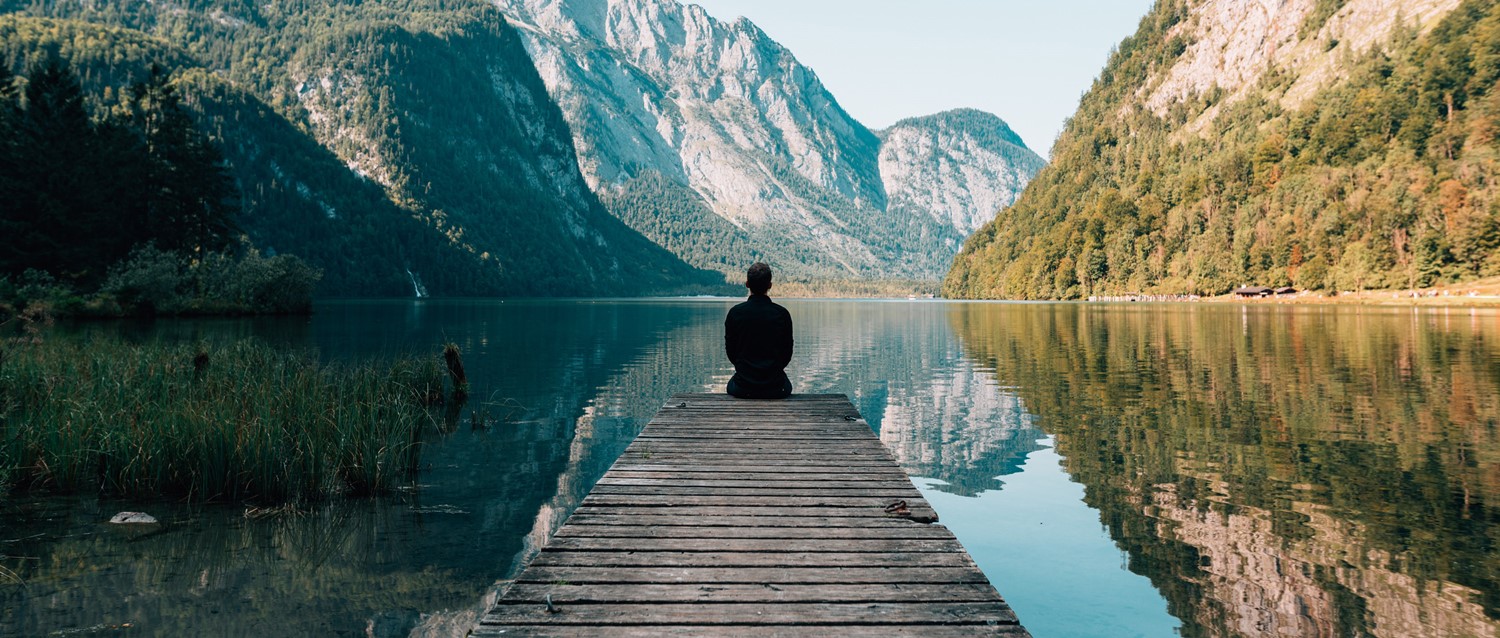
Do holidays help or hinder depression?
Peer reviewed by Dr Sarah JarvisAuthored by Danny ChadburnOriginally published 21 Sept 2017
Meets Patient’s editorial guidelines
- DownloadDownload
- Share
- Language
- Discussion
- Audio Version
- Add to preferred sources on Google
A holiday should be a welcome break from everyday life, 'but in reality holidays can be stressful, particularly before going away as there's a lot to plan and organise,' says psychologist Emma Kenny.
Mental health support for adults and children
Online CBT and psychological therapy for adults and children aged 8–17. Onebright’s accredited clinicians support people experiencing anxiety, depression and other emotional challenges.
One study of Dutch workers found well-being dropped in the week before a holiday, thanks to rising workloads. The effect was more noticeable in women, who have to fit in additional tasks at home as well. 'And if you have depression, this extra stress may have a negative effect on your mood,' says Kenny.
A number of studies have found the start of a holiday is often marred by low mood and a lack of motivation. Ironically, the sudden downshift from everyday stress to doing very little may also be the reason so many of us come down with a bug as soon as we go away. Some research, including a study from Tilburg University, Netherlands, shows our immune system may be adjusting to the drop in stress hormones. Scientists still don't fully understand how this works, but compare it to quickly changing from fifth to first gear in a car - the body finds it hard to cope with the dramatic shift.
Travelling, a different environment, and/or changing time zones can disrupt your sleep pattern too, particularly if depression already affects your sleep, and poor sleep can in turn further lower mood. And if you're used to managing your depression with a set routine, you may find you can't follow this on holiday, which may worsen anxiety.
Even if you are having a relaxing trip, 'anxiety can rise towards the end of your break, as your thoughts turn to what you need to do when you get back,' says Kenny. Work pressures today are so intense that Germany actually banned out-of-hours working in 2013 and France outlawed out-of-hours emails in 2016 to help employees relax.
There's also evidence to show a well-being boost can wear off surprisingly fast after a break. Research by Radboud University, Nijmegen, in the Netherlands found well-being levels return to their pre-holiday state within a week.
The good news is none of this means you should avoid going on holiday if you have depression. 'Relaxation, spending time with friends and family, and getting lots of sunlight are all good for your mental health,' says Kenny. Follow the tips below to make sure your next holiday is a real break.
Choosing your holiday
Aim to go away
'Having time off at home isn't the same, as you won't get the change of scenery that can give you a lift,' says Kenny. Even just staying with friends is a change from your usual environment.
Prioritise rest
Think about booking a break that involves active relaxation such as yoga or meditation. A study by the University of California found people whose six-day break included yoga and meditation experienced less depression and stress 10 months later.
Before you go
Check you're stocked up
If you're taking medication, leave enough time to order a repeat prescription (at least three working days) and make sure you have enough to last throughout your holiday and when you get back. You can also check out local mental health services in your destination in case you need support while you're away.
Plan ahead
A last-minute rush to get ready is stressful for anyone. A list is your friend - break each task down into small steps, prioritise them in order of urgency and tick them off as you go through them. This will help take the strain off your brain to remember things, so you'll feel less stressed.
Work out a daily budget
If you want to eat out at certain restaurants, hire a car or take part in different activities, make sure you have enough money for the holiday. Money worries can make depression feel worse.
When you're away
Get outside
Your body needs sunlight to make vitamin D, which has been shown to help prevent seasonal affective disorder (SAD), a form of depression linked to the lack of light in winter, but make sure you don't burn. Protect yourself with sunscreen, a hat, and sunglasses, and avoid the sun when it's strongest.
Move more
There's a bank of evidence to suggest staying active can help ease depression, and a holiday is a great opportunity to either start exercising more or try a new type of activity.
Stay mindful
'Try to stay in the present instead of worrying,' says Kenny. 'Every time you find your mind drifting, gently bring it back to what you're doing and try to engage fully.'
Avoid unhealthy habits
It's tempting to drink more when you're away but, while enjoying a glass of wine can be relaxing, overdoing it is likely to aggravate low mood. Eat regularly to keep your blood glucose and mood stable, and make the most of fresh seafood, fruit and vegetables.
When you get home
Avoid coming back to work on a Monday
Traditionally the worst day of the week. Ease yourself back in with a shorter week - can you take advantage of any bank holidays?
Don't return to bad habits
Scientists from the University of Konstanz, Germany, found those who use evenings and weekends to relax after they return feel good for longer. Try a yoga or t'ai chi class to maintain your sense of calm.
Plan your next break
'Even if it's a few months away, booking time off in your diary can give you a boost when you're feeling low,' says Kenny.
Patient picks for Depression
Mental health
How to support someone with depression
The World Health Organization estimates 1 in 4 of us will have a mental health issue such as depression in our lifetime. Even if you’re not affected, the chances are someone close to you may be. Here we look at how to spot the often hidden signs that someone you know is feeling depressed and how you can help them.
by Lawrence Higgins
Mental health
Is social media making us depressed?
In the last 10 years, social media platforms from Facebook and Twitter to Instagram and Snapchat have changed the way we communicate with and relate to each other, but a growing amount of research suggests this has had a negative effect on our mental health.
by Danny Chadburn
About the author
Authored by

Danny Chadburn
Head of Content
Danny was the previous Head of Content at Patient.
About the reviewerView full bio

Dr Sarah Jarvis
Clinical Consultant
MA (Cantab), BM, BCh (Oxon), DRCOG, FRCGP, MBE
After training in medicine at Cambridge and Oxford, Dr Sarah Jarvis MBE became a GP.
Join the conversation
Share your thoughts or experiences with others in our patient communities.

Ask, share, connect.
Browse discussions, ask questions, and share experiences across hundreds of health topics.

Feeling unwell?
Assess your symptoms online for free
Sign up to the Patient newsletter
Your weekly dose of clear, trustworthy health advice - written to help you feel informed, confident and in control.
By subscribing you accept our Privacy Policy. You can unsubscribe at any time. We never sell your data.