
Can earwax build-up cause hearing loss?
Peer reviewed by Dr Sarah JarvisAuthored by Amberley DavisOriginally published 20 Nov 2021
Meets Patient’s editorial guidelines
- DownloadDownload
- Share
- Language
- Discussion
- Audio Version
- Add to preferred sources on Google
Earwax build-up is a leading cause of hearing loss. However, it is also a highly reversible condition. How can earwax build-up cause hearing loss, and what are the potential consequences?
Is hearing loss caused by earwax build-up a big problem?
If you've ever experienced earwax build-up, or 'earwax impaction', then you've probably noticed that your hearing can become diminished and muffled.
According to Peter Rea, president of The British Society of Otology, earwax build-up is a primary but reversible cause of hearing loss. Unfortunately, it often goes missed and untreated. As a result, earwax build-up is the most common cause of conductive hearing loss.
Hearing loss caused by earwax can happen to anyone, but it is most common among the elderly and developmentally disabled, affecting more than 30%. This can lead to other health issues and have a negative impact on quality of life if it's left untreated.
How does earwax build-up cause hearing loss?
Earwax, also known as cerumen, is an important and natural part of your body's defences. It protects your ear by trapping dead skin, dirt and other particles so that they can't enter deeper into the ear canal. It also slows the growth of bacteria.
Normally, earwax comes out of the ear naturally. But sometimes the earwax becomes lodged in the ear canal, blocking it partially or completely. This blockage can become a problem, impairing hearing and causing other health issues.
What are the symptoms and effects of hearing loss?
The signs of earwax build-up and blockage include:
A feeling of fullness in the ear.
Itching in the ear.
Ringing or noises in the ear (tinnitus).
Discharge.
Odour.
Cough.
Hearing loss can itself also have serious and long-lasting health implications. Research suggests that there is a strong connection between hearing loss and cognitive decline. One 2013 study found that people experiencing hearing loss have a 30-40% accelerated rate of cognitive decline and a 24% increased risk of incident cognitive impairment, compared to those with good hearing.
For Rea, this is particularly concerning for the older population, where hearing loss affects over two thirds of people aged over 65 years. For too many elderly people, earwax build-up can be a slippery slope, whereby the resultant hearing loss leads to cognitive decline as well as social isolation.
This can be particularly problematic for the 55 million people worldwide living with dementia. As dementia can affect a person's ability to speak, it may be hard for them to tell someone about their symptoms and the earwax build-up can remain untreated. With the resultant loss of hearing, cognitive issues may worsen and behavioural issues can arise.
How can hearing loss caused by earwax be treated?
Many people experience a recurrence in earwax build-up, with some needing to treat the problem every 6-8 months. As a result, some GPs recommend using ear drops, such as olive oil drops or drops from your pharmacist, on a regular basis. The aim of this treatment is to loosen and break up the compounded earwax. However, there is no strong evidence that using ear drops regularly can prevent earwax from building up.
The advice on treating excess earwax has recently changed, and your GP will be able to advise you on the best and safest course of action. You should contact your GP if you believe an earwax build-up is causing temporary hearing loss. Some GP practices now carry out earwax removal treatment instead of referring you to a specialist clinic. If it is not available through your local GP practice, you can book a local private appointment through Patient Access.
They may use either the irrigation method or microsuction method.
Ear irrigation to remove earwax build-up
Ear irrigation, which can sometimes be called ear syringing, involves pumping a low-pressure flow of water into the ear in order to flush earwax out. Irrigation is a common method of earwax removal and for most people is safe and effective. However, there is some risk of side-effects and it is more dangerous for certain people.
Microsuction to remove earwax build-up
Microsuction uses gentle suction to draw earwax out from the ear. It is considered to be a slightly safer technique than irrigation, although it does carry some of the same low risks.
Which at-home earwax removal treatments are safe?
The National Institute for Health and Care Excellence (NICE) recommends that people should consult their GP if they are experiencing hearing loss. However, some people choose to treat earwax build-up at home if their symptoms are relatively manageable. It is important to know which self-administered treatments are considered unsafe.
Ear drops to remove earwax build-up
Ear drops are a safe method of removing earwax build-up and may be effective at curing hearing loss, as long as the earwax build-up isn't too compacted. Ear drops can dissolve earwax, loosening and reducing the blockage as earwax falls out of the ear. Your pharmacist can advise on recommended drops. Consult your GP if the ear drops have been ineffective and hearing loss persists.
Ear candles to remove earwax build-up
Ear candles are considered an unsafe way to remove earwax build-up. This method involves putting one end of a candle inside the ear and lighting the other end in order to melt and draw out earwax. Dangers include the candle wax dripping and burning the skin, candle wax lodging in the ear, and the hot wax sticking to the eardrum and causing permanent damage and hearing loss.
Inserting small objects into your ear to remove earwax build-up
Sticking anything inside your ear other than ear drops, including cotton buds/Q-tips and fingers, is very dangerous. This can easily damage the ear permanently and cause perforation of the eardrum. As well as being unsafe, this method is also likely to make your hearing loss worse, pushing the earwax build-up deeper into the ear.
Patient picks for Hearing problems
Ear, nose and throat
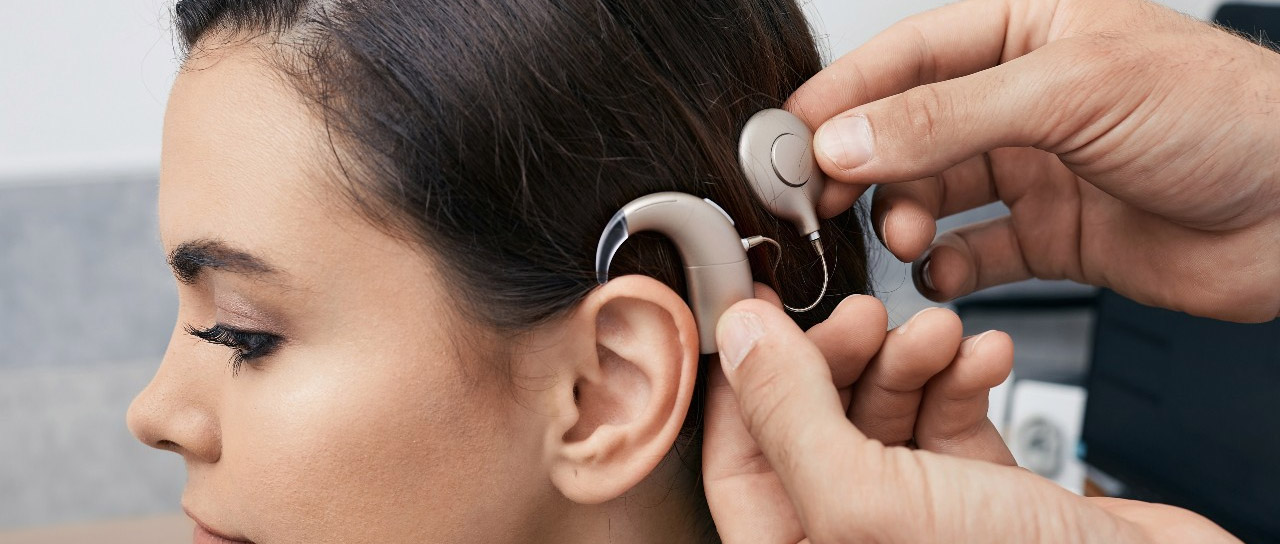
What is a cochlear implant and what effect do they have on hearing?
Opportunities and representation for the Deaf community have greatly improved over recent years. In 2022, a Bill passed through Parliament to make British Sign Language (BSL) a legally recognised and protected language. Despite these conversations being in the spotlight, there might be some aspects of deafness that you aren't familiar with and want to know more about.
by Emily Jane Bashforth

Ear, nose and throat
What's causing my hearing loss?
We often take our hearing for granted, but as we get older, we shouldn't make assumptions. Hearing loss affects much more than your hearing - if untreated, it can lead to social isolation, anxiety, depression, and even falls or reduced independence. We explain what affects your hearing and what you do to protect it.
by Dr Sarah Jarvis
About the authorView full bio
Authored by

Amberley Davis
Senior writer
BA (Hons), CPD
Amberley is a senior writer with Patient and has written extensively on a range of health and wellbeing topics.
About the reviewerView full bio

Dr Sarah Jarvis
Clinical Consultant
MA (Cantab), BM, BCh (Oxon), DRCOG, FRCGP, MBE
After training in medicine at Cambridge and Oxford, Dr Sarah Jarvis MBE became a GP.
Article history
Article also available in English, German, Spanish, French, Italian, Portuguese, Hindi, Hebrew, Arabic, and Swedish.
20 Nov 2021 | Originally published
Authored by:
Amberley DavisPeer reviewed by
Dr Sarah Jarvis
Join the conversation
Share your thoughts or experiences with others in our patient communities.

Ask, share, connect.
Browse discussions, ask questions, and share experiences across hundreds of health topics.

Feeling unwell?
Assess your symptoms online for free
Sign up to the Patient newsletter
Your weekly dose of clear, trustworthy health advice - written to help you feel informed, confident and in control.
By subscribing you accept our Privacy Policy. You can unsubscribe at any time. We never sell your data.