
O que causa cólicas estomacais noturnas?
Revisado por Dr Colin Tidy, MRCGPÚltima atualização por Victoria RawÚltima atualização 17 Mar 2026
Atende aos diretrizes editoriais
- BaixarBaixar
- Compartilhar
- Language
- Discussão
- Versão em Áudio
- Adicionar às fontes preferidas no Google
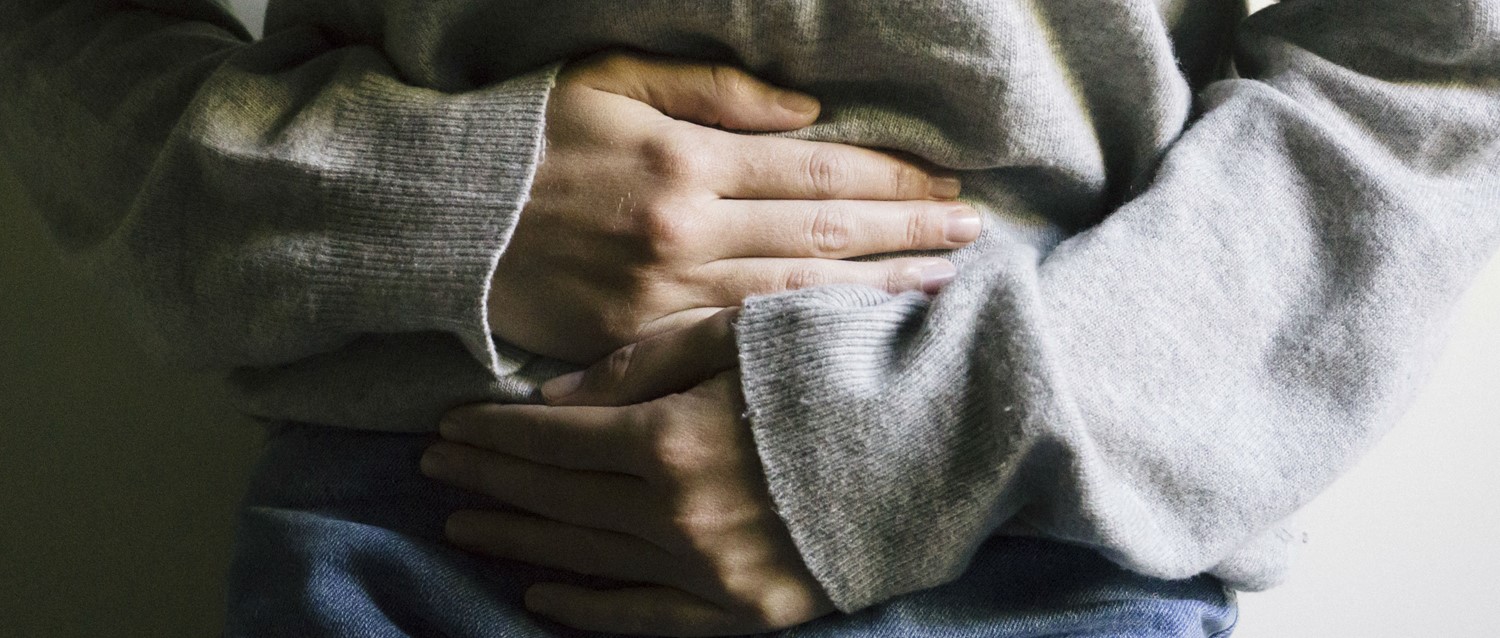
Stomach pain - often described as a dull ache in your tummy - can have various causes. It usually doesn't last long, and is generally not serious. Stomach cramps, on the other hand, can differ from the fleeting nature of general stomach pain.
Unlike an ache or pain that's there one minute and gone the next, stomach cramps are characterised by sudden, involuntary tightening of the tummy muscles - or spasms - that are more intense and cyclic. These cramps can be uncomfortable and may be accompanied by other digestive symptoms, como inchaço, náusea, vômito ou diarreia.
Nighttime stomach cramps can be especially disruptive, as they happen when you're trying to rest. Because they're the sole focus of your attention, they can often seem more severe than they might during the day.
What can cause nighttime stomach cramps?
Knowing the causes of nighttime stomach cramps could help you avoid getting them - or at least have a better idea of when to seek medical help.
Too much, too little, too late
Eating a lot of food close to bedtime - or not eating enough throughout the day - might lead to nighttime stomach cramps. Sometimes these two causes can even overlap.
Angel Luk, uma nutricionista registrada de Vancouver, Canadá, explica que ficar o dia todo sem comer - e depois ficar com muita fome e comer uma grande refeição antes de dormir - pode aumentar a probabilidade de cólicas estomacais noturnas.
She adds: "In contrast, if you restrict your eating, and don't provide your body nutrição suficiente throughout the day, you may experience hunger pains that can also feel like cramps."
Double board-certified psychiatrist and sleep medicine specialist, Dr Chester Wu, Texas USA, adds that your digestive system slows down during sleep, which can exacerbate conditions such as constipation or doença do refluxo gastroesofágico (GORD). This is more simply known as acid reflux - a condition where your stomach acid flows back up into your oesophagus, leading to heartburn and tummy discomfort.
Wu diz: "Eating fatty or spicy foods, and drinking alcohol and caffeine too close to bedtime can make these symptoms worse. Beba mais água and eat smaller meals in the evening, making sure to avoid foods that trigger your cramps."
Intolerâncias alimentares
One of the most common causes of nighttime stomach cramps is an undiagnosed food intolerance. When someone has a food intolerance without realising it, this could lead to digestive issues.
Luk says: "Even if you experience discomfort eating or drinking certain foods, you may continue to consume them, unaware that the food and symptoms are connected.
"A typical example might be a habit of drinking a cup of milk at bedtime since childhood - not realising your body's production of the lactase enzyme has decreased, levando à intolerância à lactose."
Wu diz: "Individual sensitivities to specific foods such as dairy or gluten are sometimes more intense at night - especially after larger or richer meals."
Stress and sleep disruption
Long-term stress e falta de sono can negatively impact digestion, causing discomfort and cramps. When your body is tense from stress your tummy muscles can become strained, which exacerbates your cramps. Additionally, stress pode desencadear a liberação de cortisol - your body's stress hormone. This can increase stomach acid production, and often result in heartburn and tummy discomfort.
"Stress and poor sleep can also create a vicious cycle, where poor digestion worsens sleep quality," says Wu. "This, in turn, increases the likelihood of stomach issues."
Luk suggests engaging in mindful practices before bed - such as meditation - to reduce the symptoms of stress-related stomach cramps.
Period pains
Cólicas menstruais - uma fonte comum de desconforto para algumas pessoas - podem causar dor antes ou durante o seu período. Essa dor ocorre quando o seu útero se contrai, causando cólicas de moderadas a às vezes severas que podem irradiar do abdômen para as costas e coxas.
Underlying health conditions
Long-term stomach cramp symptoms may be caused by a range of underlying health issues, such as síndrome do intestino irritável (SII).
"As pessoas que vivem com a síndrome do intestino irritável frequentemente lidam com cólicas estomacais em horários imprevisíveis do dia", diz Luk. "Os desencadeantes não são exclusivos dos alimentos, pois o estresse também pode levar a cólicas indesejadas muitas vezes nos momentos mais inconvenientes - como quando você está tentando dormir bem à noite."
Wu adds: "Stress ou o sono de baixa qualidade can also worsen IBS."
Other potential underlying causes of stomach cramps include:
Gastroesophageal reflux disease (GERD).
When should someone seek medical attention for night-time stomach cramps?
If your stomach cramps - and their associated symptoms - don't get better, you should have them checked out by a doctor to see if you have any hidden health conditions.
Luk advises if your cramps are persistent or severe, you should seek medical attention as soon as possible.
She explains: "This is because the potential causes of your discomfort could be anything from non-life-threatening issues such as lactose intolerance to something much more serious like coeliac disease."
If your cramps are accompanied by the following symptoms, then you should seek immediate help.
A sudden and severe increase in tummy pain.
Dificuldade para engolir.
Diarrhoea or constipation that lasts for more than a few days.
Blood in your poo.
Significant weight loss.
Nausea, or vomiting blood.
Waking from sleep due to pain.
Significant weight loss.
Amarelecimento da sua pele e olhos.
Estes sintomas não indicam necessariamente um problema de saúde grave. No entanto, podem precisar ser gerenciados com o tratamento adequado ou aconselhamento médico personalizado para tratar as causas subjacentes.
Escolhas do paciente para Dor abdominal
Saúde digestiva
O que está causando sua dor abdominal inferior?
A dor pélvica (na parte inferior do abdômen) é uma dor surda e constante na parte inferior do seu estômago. Muitas mulheres a sentem e ela pode afetar sua qualidade de vida. Aqui estão algumas das causas mais comuns de dor pélvica em mulheres.
por Lydia Smith

Saúde da mulher
Dor pélvica: um guia para as causas comuns em mulheres
Uma dor súbita e lancinante na região pélvica pode ser um sintoma de várias condições de saúde, especialmente em mulheres. A maioria dos casos de dor pélvica geralmente não é motivo de preocupação. No entanto, entender as possíveis causas pode trazer tranquilidade e ajudá-lo a saber quando procurar um médico.
por Victoria Raw
Sobre o autorVer biografia completa
Atualizado por

Victoria Raw
Redatora de Reportagens
BA (Hons), Literatura Inglesa
Victoria é redatora de conteúdo na Patient, com interesses especiais que abrangem o bem-estar mental, tendências sociais e o impacto da tecnologia na nossa saúde.
Autoria de
Victoria Raw
Redatora de Reportagens
BA (Hons), Literatura Inglesa
Victoria é redatora de conteúdo na Patient, com interesses especiais que abrangem o bem-estar mental, tendências sociais e o impacto da tecnologia na nossa saúde.
Sobre o revisorVer biografia completa

Dr Colin Tidy, MRCGP
Médico Generalista, Autor Médico
MBBS, MRCGP, MRCP (Paediatrics), DCH
Dr Colin Tidy é um médico do NHS, baseado em Oxfordshire.
Histórico do artigo
Artigo também disponível em Inglês, Alemão, Espanhol, Francês, Italiano, Português, Hindi, Hebraico, Árabe, e Sueco.
Próxima revisão agendada: 26 de mar de 2029
17 Mar 2026 | Última versão
26 Set 2024 | Publicado originalmente
Escrito por:
Victoria Raw
Participe da conversa
Compartilhe seus pensamentos ou experiências com outros em nosso comunidades de pacientes.

Pergunte, compartilhe, conecte-se.
Navegue por discussões, faça perguntas e compartilhe experiências em centenas de tópicos de saúde.

Sentindo-se mal?
Avalie seus sintomas online gratuitamente
Inscreva-se no boletim informativo do Patient
Sua dose semanal de conselhos de saúde claros e confiáveis - escritos para ajudá-lo a se sentir informado, confiante e no controle.
Ao se inscrever, você aceita nossos Política de Privacidade. Você pode cancelar a inscrição a qualquer momento. Nunca vendemos seus dados.