
How to figure out your migraine triggers
Peer reviewed by Dr Sarah JarvisAuthored by Paula GreenspanOriginally published 1 Aug 2018
Meets Patient’s editorial guidelines
- DownloadDownload
- Share
- Language
- Discussion
- Audio Version
- Add to preferred sources on Google
Migraine is a very common disorder. If you don’t get them yourself, chances are you know someone who does. According to The Migraine Trust, around one in seven of us get migraines, yet fewer than half of us who do are happy with our treatment.
So, rather than trying to treat a migraine once it's started, wouldn't it be better to try to prevent attacks? Working out what triggers yours could give you a better chance of doing just that.
Need treatment for migraines?
Start a quick online consultation through Patient.info, available 24/7.
Reviewed by UK-registered clinicians and powered by Evaro, a UK-regulated healthcare service. Treatment can often be delivered next day.

I've had migraines for most of my adult life and over the years they got progressively worse. My doctor prescribed tablets called sumatriptan for me to take at the onset of an attack. Most people tolerate the drug well, but I found that it didn't always help with my migraines and I suffered from side-effects, too.
So I struggled on, using only paracetamol and ibuprofen to try to keep the pain away. Only that did nothing for the blurred vision, the exhaustion or the odd sensation in my jaw that made me feel like my teeth were falling out, which came with my attacks.
Then, I had the migraine that changed everything.
I was at a toddler group with my 2-year-old when I was suddenly walloped with a migraine with aura, which is a visual disturbance or other symptoms affecting the nervous system. For me, that meant my vision was pixelated and bits of it were missing. It was like the world in front of me was a fuzzy jigsaw puzzle with pieces forced together in the wrong places.
Thankfully, my vision returned and I got myself - and my son - out of the toddler group before the agonising headache hit. But that moment of sitting in a sea of children feeling blinded and helpless was enough to make me do something about it.
I learned about migraine triggers and how to avoid mine. Which means that, thankfully, now I avoid most of my migraines, too.
What is a migraine?
Migraine is a neurological disorder which causes symptoms like severe headaches, nausea and sickness, and visual disturbances.
If you have headaches but you don't get nausea, vomiting, photophobia (sensitivity to light) or phonophobia (sensitivity to sound), they're not migraines.
There's ongoing research into the root cause of migraines, but experts do know that it's usually genetic. So if you get migraines, someone else in your family has probably had them, too.
There's no cure for migraine but that doesn't mean you have to suffer. If you avoid your migraine triggers, which are things that you're sensitive to and can bring on an attack, you'll be in the best position to avoid migraines, too.
Common triggers include things like dehydration, getting too much or too little sleep, eating badly or not enough, too much screen time and your menstrual cycle.
Tracking your triggers
Migraine triggers can be different for everyone, so in order to maximise your chances of avoiding yours you need to work out what brings on your attacks.
The easiest way to do that is by keeping a migraine diary for three months. Write down anything that's going on in your life which could be linked to your migraines, from getting up too early in the morning to eating citrus fruit.
Keep track of your migraines in your diary, too, then look for patterns. But be aware that triggers usually don't work alone.
"There are often multiple things going on at once; for example, I've seen a number of women who say they're fine with alcohol, except when they're on their periods," says Professor Paul Booton, headache specialist at The National Migraine Centre.
When I started keeping a migraine diary I found that my migraines often followed a bad night's sleep, or happened on days when I was having a lot of caffeine and not eating properly.
So I changed my ways. Now, I try my best to make sure I get enough sleep and I have regular meals and snacks throughout the day. I've switched to decaf coffee, too.
Isn't chocolate a migraine trigger?
Many people talk about getting migraines after eating chocolate but there isn't much evidence to support that.
So why does there seem to be a connection? Migraines come on in stages. Your migraine actually starts before the headache or aura kicks in, during the migraine prodrome stage.
"One of the classic prodromal symptoms is the munchies," says Booton.
This means that by the time you're grabbing for chocolate, your migraine is already on the way and nibbling on the sweet stuff is a symptom, not a cause.
If this happens to you, look back further in your diary and see if other things have triggered your attack.
Most importantly, when you discover what your triggers are, do your best to avoid them.
Little lifestyle changes like drinking enough water, eating regular meals and getting proper sleep can make a massive difference.
Finally, if you need some help managing your migraines, take your diary to your doctor.
Understanding and Treating Your Migraine by is available for pre-order from White Owl Books
Patient picks for Migraine
Brain and nerves
Vyepti: a new drug for preventing migraines
A new drug for chronic migraine could improve access to effective migraine prevention treatment in the UK. How effective is Vyepti (eptinezumab)? And who could benefit from treatment?
by Amberley Davis
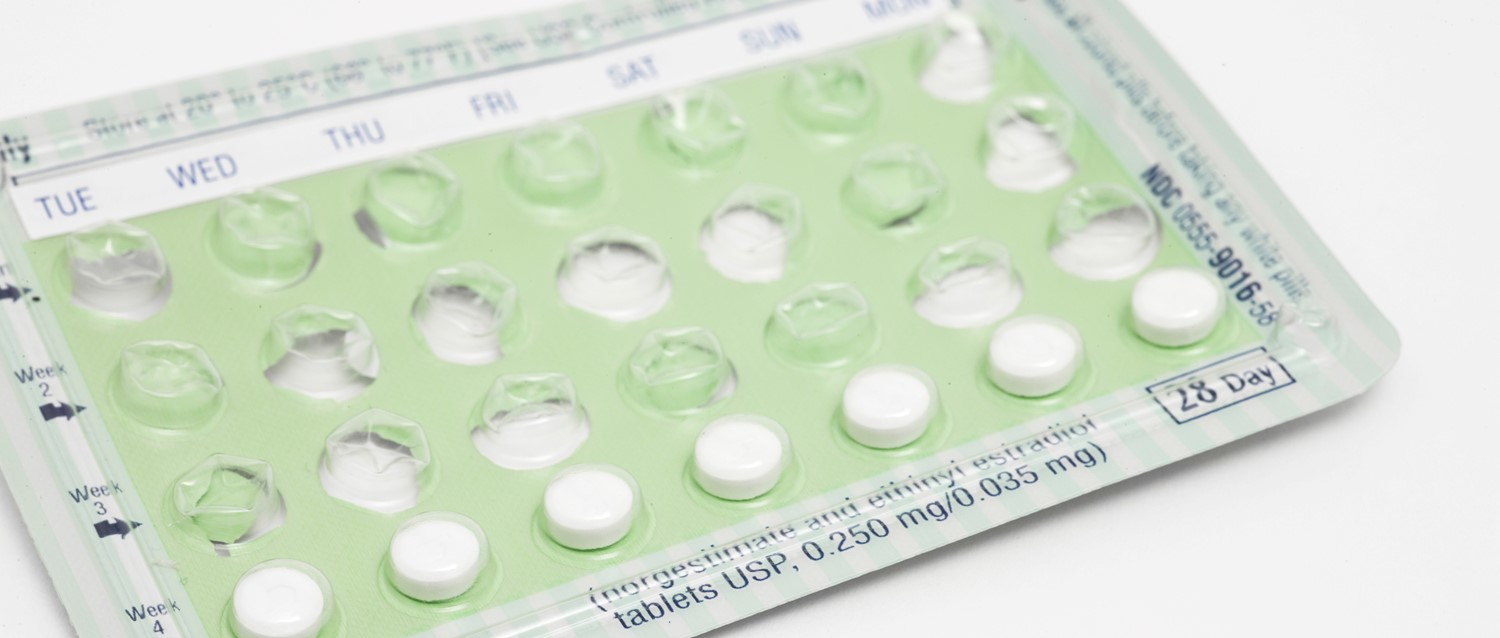
Brain and nerves
Should you avoid the pill if you get migraines?
For decades, migraine sufferers with aura have been told to avoid the combined oral contraceptive pill because of a slightly increased risk of stroke. But is this still the case? We ask experts about the latest guidance and what the best form of contraception is for those prone to migraines.
by Georgia Gallant
Frequently asked questions
What is the difference between an aura and a headache during a migraine?
A migraine with aura involves a visual disturbance or other symptoms affecting the nervous system that occur before the headache. For example, the author experienced pixelated and missing vision during an aura. The agonising headache then typically follows this aura phase.
If migraines are genetic, does that mean I will definitely get them if a family member does?
The article states that migraine is usually genetic, meaning if you get migraines, someone else in your family has probably had them too. However, it does not state that it is guaranteed, only that there is a strong link.
What should I look for when tracking my migraine triggers?
When keeping a migraine diary, you should write down anything going on in your life that could be linked to your migraines. This could range from getting up too early to eating certain foods. You should also track your migraines themselves and then look for patterns. It's important to remember that triggers often don't act alone; multiple factors might be involved.
Can lifestyle changes really make a significant difference to migraine frequency?
Yes, little lifestyle changes like drinking enough water, eating regular meals, and getting proper sleep can make a massive difference. The author found that understanding and avoiding triggers, such as prioritising good sleep and regular meals, helped them avoid most of their migraines.
When should I take my migraine diary to my doctor?
If you need some help managing your migraines after tracking your triggers and making lifestyle changes, you should take your migraine diary to your doctor. This can provide them with valuable information to assist you further.
About the author
Authored by

Paula Greenspan
About the reviewerView full bio

Dr Sarah Jarvis
Clinical Consultant
MA (Cantab), BM, BCh (Oxon), DRCOG, FRCGP, MBE
After training in medicine at Cambridge and Oxford, Dr Sarah Jarvis MBE became a GP.
Join the conversation
Share your thoughts or experiences with others in our patient communities.

Ask, share, connect.
Browse discussions, ask questions, and share experiences across hundreds of health topics.

Feeling unwell?
Assess your symptoms online for free
Sign up to the Patient newsletter
Your weekly dose of clear, trustworthy health advice - written to help you feel informed, confident and in control.
By subscribing you accept our Privacy Policy. You can unsubscribe at any time. We never sell your data.