Early brain scans can predict MS prognosis
Peer reviewed by Natalie HealeyAuthored by Ashwin BhandariOriginally published 25 Jul 2019
Meets Patient’s editorial guidelines
- DownloadDownload
- Share
- Language
- Discussion
- Audio Version
- Add to preferred sources on Google
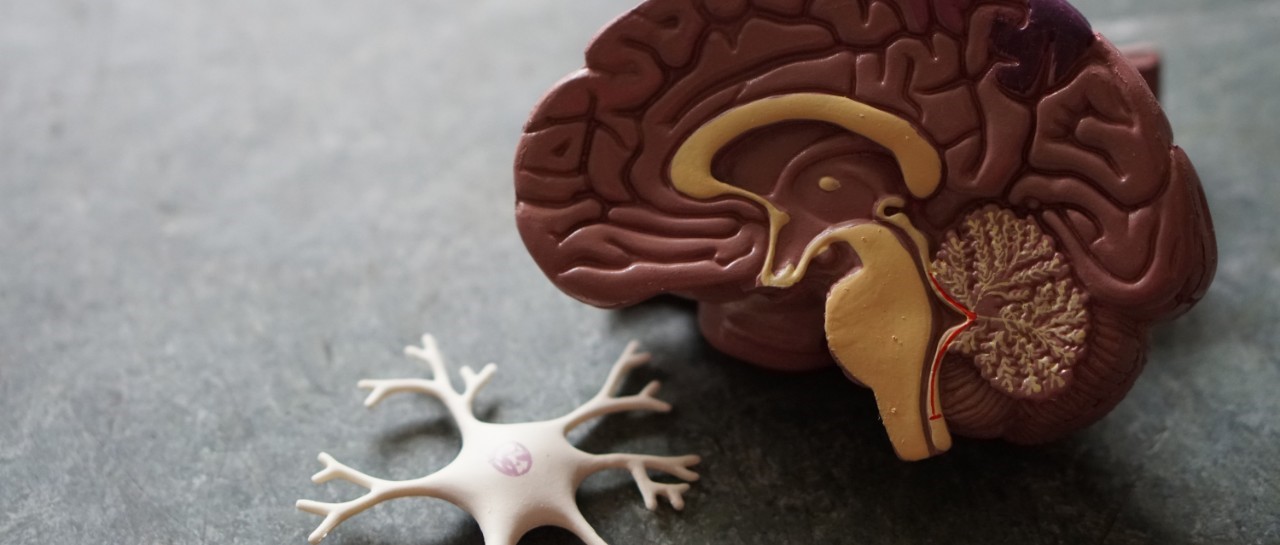
Brain scans of people with early signs of multiple sclerosis can predict the long-term prognosis of the disease.
A 15-year study of people diagnosed with clinically isolated syndrome (CIS), an early indicator of potential multiple sclerosis (MS), suggests MRI technology can predict future disability.
Neurology experts at University College London followed 164 people over 15 years. They found the MRI scans taken when participants were first diagnosed displayed signs of future disease progression. Early spinal cord damage indicated people were much more likely to go on to develop the secondary progressive form of MS, which currently has no treatment.
The team also found an association between lesions seen in the brain at the time of CIS, and a person's physical and cognitive performance later in life.
Dr Wallace Brownlee, from the UCL Institute of Neurology, which carried out the research, said it showed that standard MRIs could help those newly diagnosed with MS make better-informed choices about treatment.
"The way we treat MS right now is we put people on treatment and consider escalating or trying a more intensive treatment if it's not working. But with this, we might be able to identify people at the beginning which might mean a more effective treatment at the outset."
Over 100,000 people live with MS in the UK, and one of the most difficult things about being diagnosed is the uncertainty of the condition. The course MS takes is highly variable with significant differences in terms of how quickly it progresses, how disabled a person may become and how cognitive performance is affected.
Dr Susan Kohlhaas, director of research at the MS Society, said: "For someone newly diagnosed, who gets a list of 14 treatments, who has no information about how their MS might develop, it's really complicated. By identifying key factors that appear very early on and indicate how someone's MS might develop, this study has proved crucial."
Patient picks for Limb weakness and numbness
Brain and nerves
Are new treatments for MS on the horizon?
130,000 people in the UK are living with multiple sclerosis (MS). Though there are treatments which can ease and help to manage symptoms, MS is a condition which has no cure. But now, a groundbreaking trial is trying to find new treatments which could revolutionise care for people with MS.
by Ellie Broughton
Brain and nerves
Early brain scans can predict MS prognosis
Brain scans of people with early signs of multiple sclerosis can predict the long-term prognosis of the disease.
by Ashwin Bhandari
About the authorView full bio
Authored by

Ashwin Bhandari
Medical Writer
BA Journalism
About the reviewerView full bio

Natalie Healey
Freelance journalist
BSc (Hons) Biomedical Science
She is a London-based health journalist who has been writing about science and medicine for several years. She is the former head of editorial at Patient.
Article history
Article also available in English, German, Spanish, French, Italian, Portuguese, Hindi, Hebrew, Arabic, and Swedish.
25 Jul 2019 | Originally published
Authored by:
Ashwin BhandariPeer reviewed by
Natalie Healey
Join the conversation
Share your thoughts or experiences with others in our patient communities.

Ask, share, connect.
Browse discussions, ask questions, and share experiences across hundreds of health topics.

Feeling unwell?
Assess your symptoms online for free
Sign up to the Patient newsletter
Your weekly dose of clear, trustworthy health advice - written to help you feel informed, confident and in control.
By subscribing you accept our Privacy Policy. You can unsubscribe at any time. We never sell your data.