Loss of taste and smell
Peer reviewed by Dr Colin Tidy, MRCGPLast updated by Dr Toni Hazell, FRCGPLast updated 24 Oct 2022
Meets Patient’s editorial guidelines
- DownloadDownload
- Share
- Language
- Discussion
- Audio Version
- Add to preferred sources on Google
Taste and smell are often referred to as a pair because they are closely interlinked. The majority of what we think is our taste sensation is actually from our sense of smell.
At a glance
Taste and smell are chemical senses detected by receptors that send signals to the brain.
Smell disorders can involve complete loss, reduced smell, distorted smells, or smelling things that aren't there.
Colds, flu, sinus problems, head injury, and viral infections can cause smell and taste problems.
If a change in your sense of smell or taste persists for more than two weeks, see your GP.
Loss of smell can reduce enjoyment of food, impact safety, and affect mental well-being.
We don't think of ourselves as being particularly good at sniffing things out, especially when compared with other mammals such as dogs. But research has shown that smell can have a powerful influence on human memories and feelings. People who have lost their sense of smell - following an accident or illness - report a strong sense of loss, with impacts on their lives in ways they could never have imagined. Perhaps we don't rank smell very highly among our senses because it's hard to appreciate what it does for us - until it's gone.
How do taste and smell work?
Our sense of taste is powered by taste receptors found in the taste buds on our tongues and also in our mouths. The information they collect is sent to the brain. However, the smell of food also hugely influences how we taste.
The sense of taste provides five basic different tastes:
Sweet.
Sour.
Salty.
Bitter.
Umami (the taste of meaty/savoury substances).
Taste is detected by taste receptors found in our taste buds, which are found on the tongue and in our mouths. Information about what we taste is collected by these taste receptors and is sent to the brain.
However, most of the flavour of food is largely due to the smell of food. This is detected by smell receptors, which are found in the lining of the nose, and the smell of food travels from the back of the mouth into the back of the nose.
Smell, like taste, is a chemical sense detected by sensory cells called chemoreceptors. When an odour stimulates the chemoreceptors in the nose that detect smell, they pass on electrical impulses to the brain. The brain then interprets patterns in electrical activity and we recognise this as different smells.
What are smell and taste disorders?
Smell and taste disorders are conditions that result in a decrease, distortion, or a loss of taste and smell. 5 out of 100 people have a problem with taste or smell. Some of these are a result of problems with development of the smell or taste system, and others are due to their loss later in life.
This may be gradual or sudden and may in some cases be triggered by an obvious cause - for example, a head injury or a viral infection. A loss of taste or smell may also be a feature of infection with COVID-19, and can often last for weeks or months after other symptoms have cleared.
Complete lack of sense of smell is termed anosmia. Reduced sense of smell is termed hyposmia. Other changes in the sense of smell include smells being different than expected (parosmia) and the perception of smells that are not there (phantosmia). Because of the effect on detection of flavour of food, a lot of smell disorders lead people to believe they also have a taste disorder but taste disorders are rare.
Many people have experienced 'losing' their sense of smell and taste when they have a cold, but there are other changes that can occur to these senses too.
What can cause a loss of taste and smell?
There are many different causes of smell and taste problems. The most common causes of temporary loss are colds, flu and sinus problems. You can also be born with a smell disorder, usually because of a faulty gene.
Sometimes a cause for the loss of smell cannot be found. This happens in about 1 in 5 people who are investigated in a specialist clinic, but in the wider community represents fewer than 5 in a 100 of all cases of smell loss overall. The sense of smell can be lost due to a variety of causes. The most common causes include:
An injury to the head.
A stroke.
Diseases affecting the sinuses, such as various forms of sinusitis (or nasal polyps), and structural abnormalities.
Allergies that affect your nose, such as hay fever.
Taking certain medications - see below.
Hormone problems such as Cushing's syndrome.
Dental or mouth problems.
Exposure to certain chemicals such as benzene, chlorine, formaldehyde, paint solvents and trichloroethylene.
Exposure to radiation therapy for head or neck cancer.
Cocaine snorted through the nose.
Cigarette smoking.
Some other medical conditions may be associated with a complete lack of sense of smell (anosmia), such as epilepsy, Alzheimer's disease, Parkinson's disease and schizophrenia.
The sense of smell, as with all other senses, naturally decreases with age. Rarely, some cancers can also cause anosmia.
What medicines can affect taste?
Commonly prescribed antibiotics such as amoxicillin, erythromycin, ciprofloxacin and trimethoprim.
Medicines used in neurological problems such as Parkinson's disease, migraine; muscle relaxants.
Cardiovascular medicines used for blood pressure and cholesterol (statins).
Thyroid medicines.
Antidepressant or mood-stabilising medicines.
Others such as antihistamines, anti-inflammatories and antifungal medicines.
When should I see a doctor for loss of taste and smell?
There are some conditions that can affect your smell or taste temporarily. Short-term changes in smell and taste are common with infections affecting your upper respiratory tract, like colds and sinus infections. If this is the cause your smell and taste should generally return within two weeks. If you are worried about a persistent change in your sense of smell or taste, you should make an appointment with your GP.
Your GP will ask you about what exactly has happened and then may examine your nose, mouth and neck. They can then decide whether you should be referred to an ear, nose and throat (ENT) surgeon for further assessment, investigation and advice.
How do they assess smell and taste problems?
A physical examination will be performed in the ENT clinic. This will often include an endoscopic examination of the nose, where a small camera is passed into the nose. More specific tests of smell may be performed. Other tests may include:
Measuring the lowest strength of a chemical that a person can detect.
Comparing smells of different chemicals to distinguish one from another.
Identifying smells.
Taste tests where taste solutions are applied to each side of the tongue in turn.
Patients can also be tested for nasal allergies. Occasionally, computerised tomography (CT) scans or magnetic resonance imaging (MRI) scans may be requested to help reach a diagnosis, as well as a blood test.
How to treat loss of taste and smell
This very much depends on what has caused the problem in the first place but may include:
Stopping or changing medicines that contribute to the problem.
Correction of the underlying medical problem.
Surgical removal of obstructions that may be causing the disorder.
Counselling.
Quitting smoking.
Does loss of taste and smell come back?
This really depends on what has caused the problem in the first place. There are also differences between people - for instance, some people quickly get their sense of smell back after a cold, whilst others have longer-term or even permanent changes to their sense of smell.
Temporary loss of smell may occur when people smoke, or have a seasonal allergy. Following a cold some people return quickly to normal function whilst others have longer-term or even permanent changes to their smell. Nasal and sinus conditions can affect smell to a varying degree and there may be a good response to treatment, which can be with medicines and if needed, surgery.
Head trauma can result in injuries to the nose, the smell nerves or the brain where the signal is received. The smell system can sometimes repair itself and restore some of the smell sense. When and if this happens depends on the site and severity of the injury but there are studies to show that some degree of recovery can occur up to 10 years after the trauma in 50% of those affected. Smells which seem different to what you were expecting (parosmia) and smells which you think are there but which aren't (phantosmia) may also occur. They tend to happen early after the trauma, before gradually disappearing.
Age results in a reduction in the number of smell receptors, which can reduce the sense of smell, and there is less ability to repair damaged smell receptors.
Smell training is advised after a loss of smell or taste due to COVID-19 - more information about this is in the further reading section. Most people who lose their sense of smell or taste due to COVID-19 will have got it back after six months, with only 4% still having a reduced sense of smell and 2% having a reduced sense of taste at this point.
What problems might I have if I have a smell or taste disorder?
Losing enjoyment of food and drink
This is a common complaint for people who lose their sense of smell. You can taste sweet, salty, bitter, sour and umami with your tongue. More complex flavours - like grapefruit or barbecued steak - also depend on smell.
When your sense of smell and sense of taste are altered you may not appreciate complex flavours in food. This loss of taste can reduce your appetite. Try to maintain your nutrition levels by weighing yourself regularly, or setting reminders for mealtimes. Cooking with ingredients that stimulate the taste buds (sweet, sour, salty, bitter and umami) that are more colourful or textured may restore some of the interest in food.
Depression
For many people, being able to enjoy their food is one of the great pleasures in life, so a loss of taste of smell can lead to quality of life issues. It's not surprising that losing these abilities carries a risk of becoming very low or depressed. Your doctor can help if you develop symptoms of depression.
Risk of missing gas leaks
It is difficult to identify faulty gas appliances, which are mainly identified by the sense of smell. Ensure gas appliances are switched off when not in use and are serviced every year. If you can, change from a gas appliance to an electric one to reduce the risk of an accident. You could also get a natural gas detector fitted in your home.
Risk of missing house fires
There is also a risk of missing house fires. You should ensure that the fire alarms in your house are working properly; the fire department recommends checking them every week.
Food poisoning
You may have little or no ability to tell spoiled food food that is still safe to eat so food poisoning may affect you more commonly. You may depend on other people to smell foodstuffs for you. You should never eat foodstuff beyond its use by/best before date. You can label refrigerated food cartons with the date they were opened. Food discolouration will also indicate whether food is not safe, so carefully check the food before you eat. You will be unable to smell your own personal body odours. To reduce self-consciousness, maintenance of good personal hygiene is important.
Job prospects
If your sense of smell is necessary for your occupation you should discuss this with your employer or supervisor. With your permission, they can contact a support group, like Fifth Sense, for further help and advice. Fifth Sense is a UK-based charity that supports people affected by smell and taste disorders across the world.
Patient picks for General signs and symptoms
Signs and symptoms
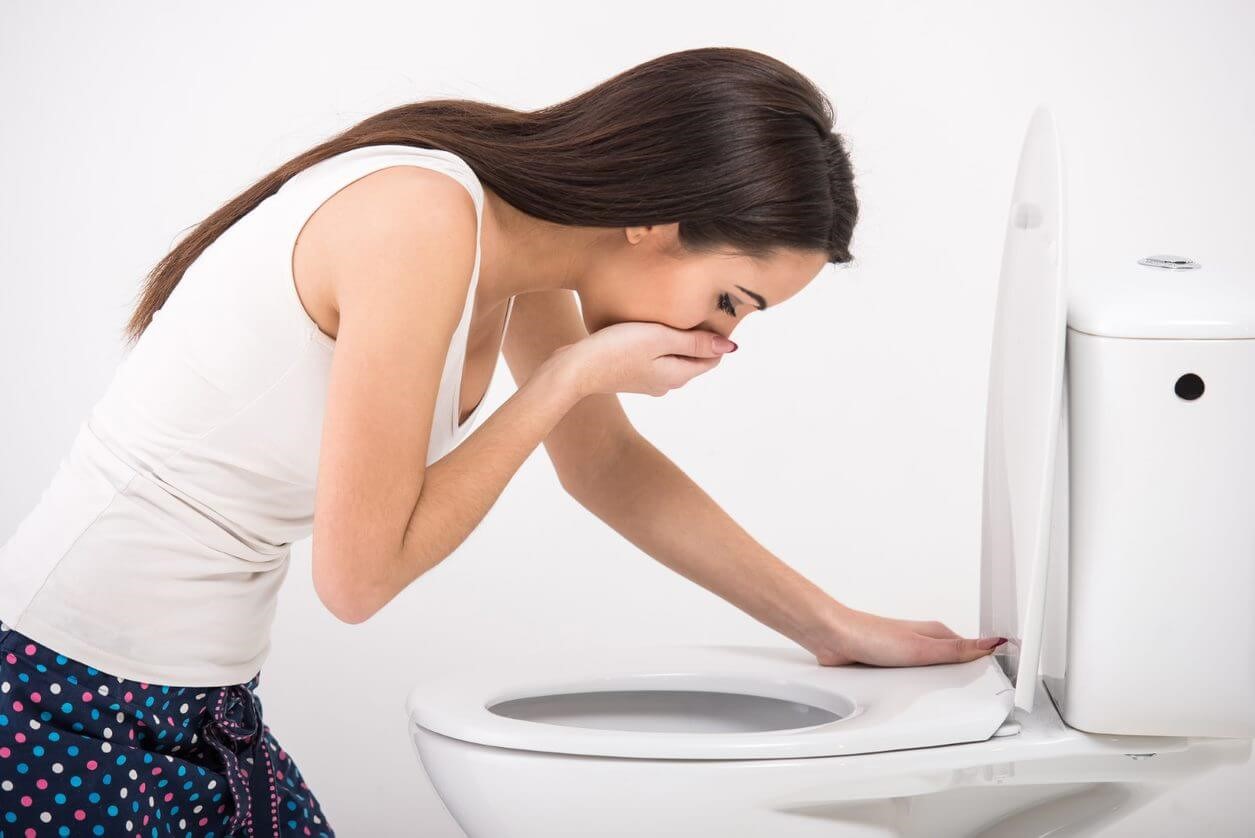
Nausea and vomiting
Nausea is the feeling of wanting to be sick (vomit), whilst vomiting is being sick or “throwing up.” These common symptoms are often caused by short-term issues like stomach bugs, food poisoning, pregnancy, or motion sickness. Most cases settle on their own, but persistent or severe symptoms may need medical attention. This leaflet explains the common causes, self-care tips, treatment options, and when to see a doctor.
by Dr Doug McKechnie, MRCGP

Signs and symptoms
Dry mouth
Dry mouth has various causes. Simple measures such as drinking frequent sips of water, sucking ice cubes and chewing sugar-free gum will often help. They may be all that is needed in many cases. Artificial saliva or medicine to stimulate the salivary glands is sometimes used.
by Dr Doug McKechnie, MRCGP
Frequently asked questions
What is the likelihood of a person having a smell or taste disorder?
About 5 out of every 100 people experience problems with their sense of taste or smell. While some are born with these issues, others develop them later in life due to various reasons like accidents or illnesses.
If I can't smell food, does that mean I won't be able to taste it properly either?
Yes, much of what we perceive as the 'flavour' of food actually comes from its smell. While your taste buds can still detect the five basic tastes (sweet, sour, salty, bitter, and umami), complex flavours are largely dependent on your sense of smell. So, a reduced sense of smell will significantly impact your appreciation of food flavours.
Can cancer be a cause of losing my sense of smell?
Yes, although it's rare, some types of cancer can cause a complete lack of sense of smell, known as anosmia. Similarly, radiation therapy for head or neck cancer is also listed as a potential cause.
Are there any support groups for people who have lost their sense of smell or taste?
Yes, there are support groups available. For example, Fifth Sense is a UK-based charity that provides help and advice to people affected by smell and taste disorders. They can even be contacted by employers or supervisors for guidance.
What are the long-term effects of losing my sense of smell and taste?
Losing your sense of smell and taste can lead to several challenges. These include reduced enjoyment of food and potential nutritional issues, a higher risk of depression, and practical dangers such as failing to detect gas leaks or house fires. Additionally, there's an increased risk of food poisoning due to an inability to smell spoiled food, and impacts on personal hygiene awareness and job prospects if your occupation relies on these senses.
Further reading and references
- Fifth Sense - Smell, Taste, Life
- At least 27 million covid patients may have long term smell and taste problems; BMJ 2022
- Long COVID: loss of smell or taste; NHS inform 2022
About the author

Dr Carl Philpott
About the reviewerView full bio

Dr Colin Tidy, MRCGP
General Practitioner, Medical Author
MBBS, MRCGP, MRCP (Paediatrics), DCH
Dr Colin Tidy is an NHS Doctor, based in Oxfordshire.
Article history
The information on this page is written and peer reviewed by qualified clinicians.
Article also available in English, German, Spanish, French, Italian, Portuguese, Hindi, Hebrew, Arabic, and Swedish.
Next review due: 23 Oct 2027
24 Oct 2022 | Latest version
25 Feb 2014 | Originally published
Authored by:
Dr Carl Philpott
Join the conversation
Share your thoughts or experiences with others in our patient communities.

Ask, share, connect.
Browse discussions, ask questions, and share experiences across hundreds of health topics.

Feeling unwell?
Assess your symptoms online for free
Sign up to the Patient newsletter
Your weekly dose of clear, trustworthy health advice - written to help you feel informed, confident and in control.
By subscribing you accept our Privacy Policy. You can unsubscribe at any time. We never sell your data.
More in signs and symptoms
- Abdominal masses
- Bornholm disease
- Chronic persistent cough in adults
- Chronic tension headache
- Cluster headaches
- Costochondritis
- Fever in children
- Hip problems
- Lower urinary tract symptoms in men
- Lower urinary tract symptoms in women
- Mallet finger
- Night sweats
- Olecranon bursitis
- Pelvic pain in women
- Pins and needles
- Proteinuria
- Rigors
- Steroid injections
- Trapped wind, gas and bloating
- Watering eyes