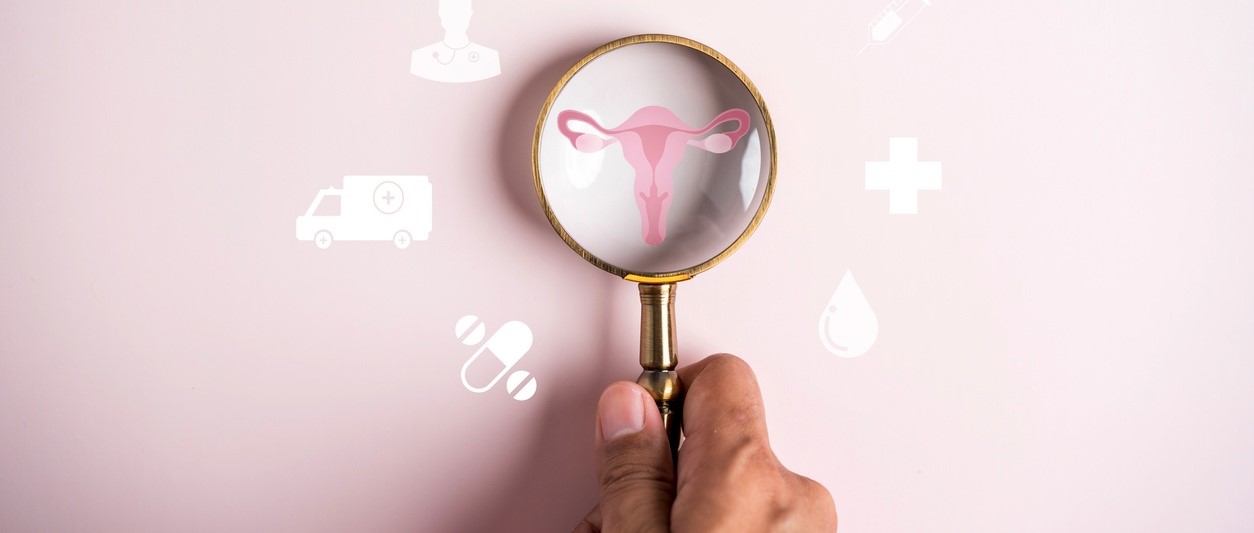
HPV e gravidez: o que esperar
Revisado por Dr Krishna Vakharia, MRCGPAutoria de Amberley DavisPublicado originalmente 2 de ago de 2023
Atende aos diretrizes editoriais
- BaixarBaixar
- Compartilhar
- Language
- Discussão
- Versão em Áudio
- Adicionar às fontes preferidas no Google
Não há nada de incomum em contrair o papilomavírus humano (HPV) durante a gravidez. Na maioria dos casos, é inofensivo, mas se você estiver grávida, há algumas possíveis complicações das quais deve estar ciente.
Inscreva-se no nosso curso gratuito de 8 semanas sobre Gravidez Saudável!
A cada semana, compartilharemos informações úteis e dicas essenciais sobre temas como nutrição, exercícios, saúde mental, sintomas a serem observados e preparação para o parto, para ajudá-la a navegar em sua jornada de gravidez, independentemente da fase em que você esteja.
Ao se inscrever, você aceita nossos Política de Privacidade. Você pode cancelar a inscrição a qualquer momento. Nunca vendemos seus dados.
How does HPV affect pregnancy?
Vírus do papiloma humano (HPV) is a common infecção sexualmente transmissível (IST) that 85% of people will get at some point in their lives - and almost every sexually active person who doesn't get the HPV vaccine1. Most of the time, it's harmless, causes no symptoms, and clears up on its own.
Yet, 14 out of 150 HPV strains are considered high risk. With these types, you may develop verrugas genitais and abnormal cells may form in your cervix. While these HPV cervix infections can clear up, around 1 in 10 women who have them will develop long-lasting infections that increase their chances of câncer cervical2. Although less common, high-risk HPV can also lead to other forms of cancer - and are responsible for 5% of cancers globally3.
For all women and people with a cervix, pregnant or not, attending regular cervical screening (smear) tests is the best way to detect HPV. While there's no cure, if you're pregnant when a test shows you have HPV, tell your doctor so they can monitor the infection.
HPV and pregnancy aren't an unusual mix, but you may be worried about what this means for the health of your baby. We answer your frequently asked questions.
FAQs - is HPV dangerous in pregnancy?
Can HPV cause pregnancy complications?
Recent research on HPV and pregnancy complications suggests that there might be a link. For example, HPV may increase your chances of nascimento prematuro, abortos espontâneos, pregnancy-induced hypertensive disorders (PIHD), growth problems, and low birth weight4. This said, it's not yet fully understood just how much HPV increases these chances. Evidence is mixed and often conflicting, and there's a need for more research5.
Can I get rid of HPV while pregnant?
There's no cure for HPV or medicines you can take to treat the virus itself - but it usually clears up by itself. There are treatments to help manage genital warts if they become large enough to trouble you - these include, surgical removal, electric current treatment, and chemical freezing. However, your doctor may advise that you wait until after childbirth to treat your warts - unless there is a danger of them blocking the vagina and affecting the birth.
Can I transfer HPV to my baby?
You have a higher chance of contracting HPV in pregnancy than any other time, yet it's rare for this virus to pass to your baby. One study found that 11% of newborns also had the virus if their mother did6, and in other studies this number is lower.
What happens if I do pass HPV on to my baby?
Even if babies do get HPV, most of the time their bodies clear up the virus with no long-lasting effects. This is usually the case even if you have genital warts when you give birth. However, in rare cases, a baby might then develop genital warts in their throat. This is called respiratory papillomatosis, and it's a serious condition that requires laser surgery treatment to prevent the warts from blocking their breathing passages.
What happens to my baby if I have cervical cancer?
Even if you have an HPV strain that has caused cervical cancer, in most cases your baby can still be delivered safely. Occasionally, if the cancer is fast-growing or found at a later stage, you may require immediate treatment. Your doctor will talk you through how this could affect your baby and future fertility.
HPV and pregnancy - what to do
There is no blood test for HPV during pregnancy, but you may find out you have HPV following a routine teste de rastreamento cervical. In the UK, all women and people with a cervix over 25 are encouraged to have a cervical screening every three years. By taking a swab of your cervical cells, this test first identifies if HPV is present. If it is, you'll then be swabbed for abnormal cells.
If you are pregnant and a past test has detected abnormal cells, you may need to have another cervical screening while pregnant, usually performed in weeks 13-26.
If the presence of abnormal cervical cells is confirmed - called a positive result - during your pregnancy, tell your doctor. Also let the doctor know if you have ever had any surgery on your cervix.
A positive result doesn't mean you have cervical cancer, but your chances of developing it are slightly higher. For this reason, your doctor will monitor these cells throughout your pregnancy.
In some cases, your doctor may detect cervical tissue changes. Doctors will try and postpone treatment until after you've given birth, as it can increase the chances of premature birth.
If you have genital warts in and around your vagina, the doctor will also monitor these. During pregnancy, hormonal changes can cause these to grow, multiply, or sometimes bleed.
Genital warts may be treated during pregnancy, but your doctor may recommend waiting until after childbirth, unless they are likely to make childbirth more difficult.
Leitura adicional
Centers for Disease Control and Prevention: Reasons to get HPV vaccine.
Centers for Disease Control and Prevention: Basic information about HPV and cancer.
Centers for Disease Control and Prevention: Cancers associated with human papillomavirus (HPV).
Condrat et al: Maternal HPV infection: effects on pregnancy outcome.
Escolhas do paciente para Infecções
Gravidez
Vaginose bacteriana na gravidez: O que você precisa saber
Your body goes through a whole host of changes when you’re pregnant - and not all of them are welcome. Bacterial vaginosis - a vaginal infection caused by an imbalance of bacteria in the vagina - can be common when you’re expecting a baby. Although it's not normally dangerous, it has been linked to pregnancy complications. So here's what you need to know about it.
por Lawrence Higgins
Gravidez
Candidíase na gravidez: o que você pode e não pode fazer
It's normal to experience thrush in pregnancy. This won't harm your unborn baby, but it's important to treat the infection with medicines that are safe to use while pregnant.
por Amberley Davis
Sobre o autorVer biografia completa

Amberley Davis
Escritor sênior
BA (Hons), CPD
Amberley é uma escritora sênior na Patient e escreveu extensivamente sobre uma variedade de tópicos de saúde e bem-estar.
Sobre o revisorVer biografia completa

Dr Krishna Vakharia, MRCGP
Diretor Médico de Saúde, Optum UK
MBChB, MRCGP(2013), BMedSci (hons), DFSRH, DRCOG, PGDipDerm (Distn)
Dr. Krishna Vakharia é uma médica de clínica geral do NHS. Ela também é examinadora regular do Diploma de Pós-Graduação em Dermatologia Prática na Universidade de Cardiff, além de ser a Diretora Médica de Saúde na Optum UK.
Histórico do artigo
As informações nesta página são revisadas por pares por clínicos qualificados.
Artigo também disponível em Inglês, Alemão, Espanhol, Francês, Italiano, Português, Hindi, Hebraico, Árabe, e Sueco.
2 de ago de 2023 | Publicado originalmente
Escrito por:
Amberley DavisRevisado por
Dr Krishna Vakharia, MRCGP

Pergunte, compartilhe, conecte-se.
Navegue por discussões, faça perguntas e compartilhe experiências em centenas de tópicos de saúde.

Sentindo-se mal?
Avalie seus sintomas online gratuitamente
Inscreva-se no boletim informativo do Patient
Sua dose semanal de conselhos de saúde claros e confiáveis - escritos para ajudá-lo a se sentir informado, confiante e no controle.
Ao se inscrever, você aceita nossos Política de Privacidade. Você pode cancelar a inscrição a qualquer momento. Nunca vendemos seus dados.
Mais na gravidez
- Os aplicativos de fertilidade são uma forma confiável de contracepção?
- Monte um guarda-roupa cápsula de maternidade com orçamento limitado
- Bebês nascidos por cesariana têm bactérias intestinais diferentes daqueles nascidos por via vaginal
- Os esteroides anabolizantes causam infertilidade?
- A prática da atenção plena ajuda durante a gravidez e o parto?
- Como o aborto espontâneo afeta os parceiros?
- Como lidar com o medo do parto
- Como lidar com a ansiedade durante a gravidez
- Como viajar com segurança durante a gravidez
- Protegendo sua saúde mental durante o tratamento de fertilidade
- Elaborando um orçamento para o seu bebê
- Clientes ocultos: As mulheres recebem o melhor aconselhamento sobre contracepção?
- Você deve se preocupar com dor pélvica na gravidez?
- A melhor forma de parto para você e seu bebê
- Os alimentos e bebidas a evitar nas férias se estiver grávida
- Os prós e contras dos preservativos femininos
- O que você aprende nas aulas de pré-natal e quais são os benefícios?
- O que é a síndrome pós-anticoncepcional?
- O que você precisa saber sobre indução do parto
- Quais tipos de preservativos são melhores para prevenir a gravidez?