
O que você aprende nas aulas de pré-natal e quais são os benefícios?
Revisado por Dr Colin Tidy, MRCGPÚltima atualização por Lawrence HigginsÚltima atualização 14 Abr 2026
Atende aos diretrizes editoriais
- BaixarBaixar
- Compartilhar
- Language
- Discussão
- Ask Patient
- Versão em Áudio
- Adicionar às fontes preferidas no Google
Tornar-se pai ou mãe pode ser uma experiência avassaladora e cuidar de um recém-nascido muitas vezes é um aprendizado íngreme. As aulas pré-natais podem ser uma ótima maneira para os novos pais se prepararem para a chegada do bebê. Aqui analisamos o que essas aulas cobrem e quais são os benefícios de frequentar aulas pré-natais.
Inscreva-se no nosso curso gratuito de 8 semanas sobre Gravidez Saudável!
A cada semana, compartilharemos informações úteis e dicas essenciais sobre temas como nutrição, exercícios, saúde mental, sintomas a serem observados e preparação para o parto, para ajudá-la a navegar em sua jornada de gravidez, independentemente da fase em que você esteja.
Ao se inscrever, você aceita nossos Política de Privacidade. Você pode cancelar a inscrição a qualquer momento. Nunca vendemos seus dados.
Escolhas de vídeos para Cuidados pré-nataisBiblioteca de vídeos
O que são aulas pré-natais?
"Antenatal courses are for groups of expectant parents who usually attend during their third trimester," says Val Willcox, practice manager at the National Childbirth Trust (NCT). The third trimester begins around week 28 of gravidez and lasts until you give birth, which is often around week 40 of pregnancy.
She says: "Where possible, the parents attending live in the same area and will be expecting their baby or babies at a similar time."
Willcox says the content of NCT courses is built around five key themes:
Planning for a positive experiência experience.
Compreendendo e cuidando do seu bebê.
Alimentação your baby.
Taking care of physical and saúde mental
Relações familiares e redes de apoio.
Os cursos pré-natais geralmente são divididos em várias aulas ao longo de semanas, ou ao longo de um mês. As aulas pré-natais geralmente são realizadas uma vez por semana e duram duas horas. No entanto, pode haver aulas extras para cobrir assuntos com muita informação, como alimentação. Normalmente, ambos os pais podem participar das aulas pré-natais, e os parceiros são incentivados a se juntar. Algumas áreas podem oferecer aulas para pais solteiros ou aulas em diferentes idiomas.
Decisões informadas
Often, antenatal classes cover what happens in trabalho de parto and delivery, and the different interventions that can be used. This helps mulheres grávidas feel prepared and ensure they are able to make informed decisions. Antenatal classes may also include how to make a plano de parto, técnicas para lidar com o trabalho de parto e informações sobre alívio da dor. Os futuros pais também poderão fazer perguntas ao líder da classe, falar sobre seus planos e expressar quaisquer preocupações que possam ter.
"The benefits of NCT antenatal courses are that parents will be empowered to make decisions about how they want to approach birth and the early parentalidade period," says Willcox. "Expectant parents can learn more about what is involved and the evidence behind different approaches."
Fazendo amigos
Antenatal classes are also a good way to meet other expectant parents. Caring for a newborn baby can be a scary and isolante time, particularly for first-time parents. Friends made at antenatal classes can meet up and support each other through the first few months after birth. Antenatal classes allow new parents to make lifelong friends, and build strong redes de apoio.
Aumentando a confiança e aliviando a ansiedade
It's normal for new parents to feel anxious and nervous about the road ahead. However, research shows antenatal education can help to reduce fears surrounding birth, and lower feelings of estresse e ansiedade in pregnant women.
"We believe that sharing evidence-based information and providing opportunities for expectant parents to explore their options helps them feel mais confiante sobre o trabalho, nascimento e primeiros cuidados parentais," diz Willcox. "Também lhes dá a chance de discutir como se sentem com os colegas e praticar novas habilidades."
A separate study found women who attended classes were more satisfied with the experience of childbirth and were less likely to have an over-medicalised birth. Research also shows that parceiros benefit from attending antenatal classes, with them reporting feeling more prepared for birth and better able to fulfil their supportive roles.
Como posso encontrar aulas de pré-natal perto de mim?
You can search for antenatal classes near you online or on as redes sociais. Often, groups are held at community centres, local halls and churches. You can search for local NCT groups on its site. Sua parteira, visitante de saúde ou médico também pode ser capaz de direcioná-la para um grupo local de pré-natal. As aulas do NHS são gratuitas, mas as aulas do NCT podem cobrar uma taxa.
Antenatal classes are often oversubscribed and can get booked up quickly, so it's a good idea to book your place in advance. If you aren't able to attend classes in person, classes are frequently held online on Zoom or Microsoft Teams. BabyCentre also runs free online antenatal classes through pre-recorded videos, so you can learn about labour and experiência in your own time.
Escolhas do paciente para Cuidados pré-natais
Gravidez
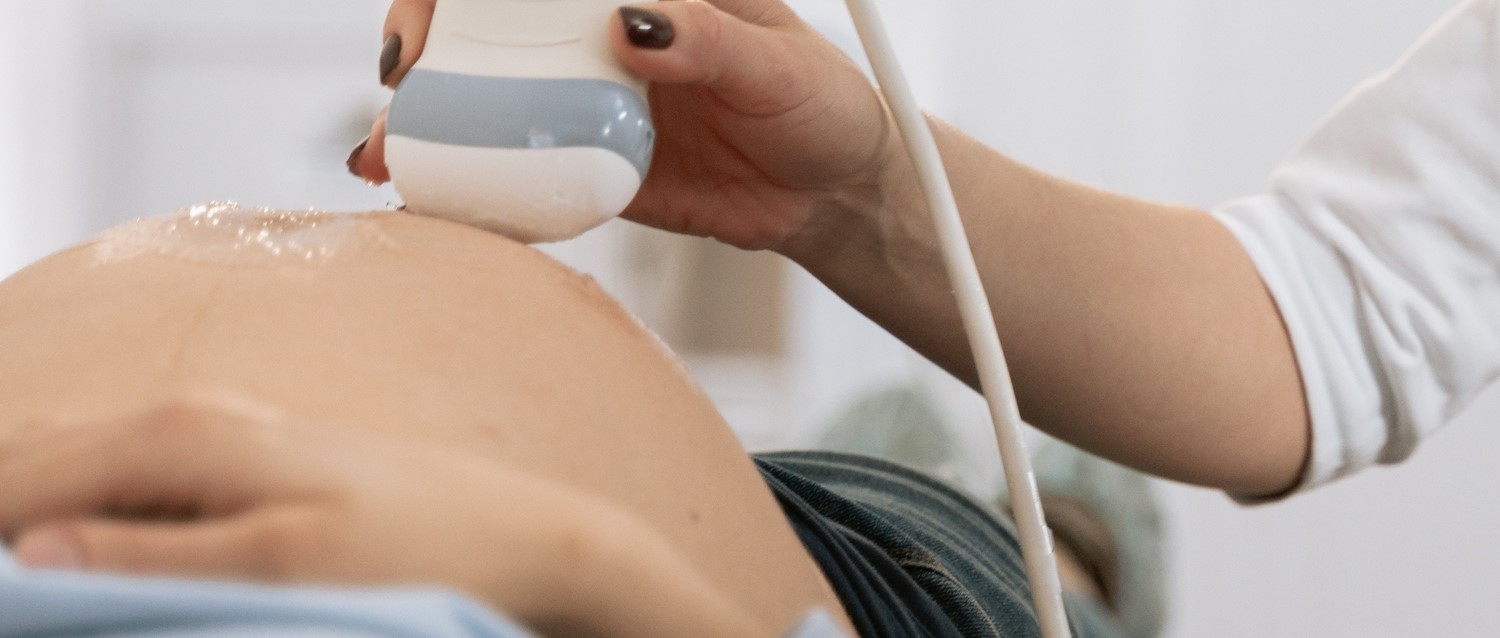
O que esperar no seu primeiro ultrassom
Um ultrassom é uma oportunidade para verificar seu bebê e garantir que ele está saudável. É uma prévia, e ter esse primeiro vislumbre do seu pequeno pode ser realmente emocionante para os futuros pais. No entanto, se você está indo para o seu primeiro ultrassom sem saber o que esperar, a experiência pode ser assustadora. Então, vamos tranquilizar sua mente e responder a todas aquelas perguntas incômodas.
por Emily Jane Bashforth

Gravidez
Por que você não deve usar um doppler fetal em casa durante a gravidez
Being pregnant can be an exciting but nerve-wracking time. You might be looking forward to becoming a parent, but feel anxious about the health of your baby. It can be tempting to try out a fetal doppler, which allows you to hear what’s going on inside your bump - but experts warn these devices can be dangerous. Here we explain why you should not use one and what to do instead.
por Lawrence Higgins
Perguntas frequentes
What is the typical time commitment for antenatal classes?
Antenatal classes are usually structured as several sessions spread over a few weeks or one month. Each class commonly lasts about two hours and is held once a week. Some topics that require more detailed information, such as feeding, might have additional dedicated classes.
Can single parents attend antenatal classes?
Yes, some areas specifically offer antenatal classes tailored for single parents. It's also possible that classes are available in different languages to accommodate diverse needs within the community.
What kind of topics related to early parenting are covered in NCT classes?
NCT courses focus on five main themes: planning for a positive birth experience, understanding and caring for your baby, feeding your baby, maintaining physical and mental health, and developing family relationships and support networks. These themes aim to provide comprehensive preparation for life with a newborn.
How do antenatal classes help partners?
Research indicates that partners who attend antenatal classes feel better prepared for childbirth. They also report feeling more capable of fulfilling their supportive roles during the birth process, which can contribute to a more positive experience for the expectant mother.
Are there free online options for antenatal classes?
Yes, if you cannot attend in-person classes, many are offered online via platforms like Zoom or Microsoft Teams. Additionally, BabyCentre provides free online antenatal classes through pre-recorded videos, allowing you to learn about labor and birth at your own pace.
Sobre o autorVer biografia completa
Atualizado por

Lawrence Higgins
Editor-chefe
Bacharelado em Ciências, Diploma de Pós-Graduação
Lawrence trabalhou como editor-chefe do Patient.info e também como autor colaborador. Ele também é membro da Guilda dos Redatores de Saúde.
Autoria de

Lydia Smith
Redatora de reportagens
BA, MA, MSc
Lydia Smith é uma jornalista premiada e escritora de reportagens que escreveu extensivamente sobre saúde da mulher e saúde mental. Atualmente, ela está cursando um mestrado em psicologia.
Sobre o revisorVer biografia completa

Dr Colin Tidy, MRCGP
Médico Generalista, Autor Médico
MBBS, MRCGP, MRCP (Paediatrics), DCH
Dr Colin Tidy é um médico do NHS, baseado em Oxfordshire.
Histórico do artigo
Artigo também disponível em Inglês, Alemão, Espanhol, Francês, Italiano, Português, Hindi, Hebraico, Árabe, e Sueco.
Próxima revisão prevista para: 15 Abr 2029
14 Abr 2026 | Última versão
21 Jan 2022 | Publicado originalmente
Escrito por:
Lydia Smith
Compartilhe seus pensamentos ou experiências com outros em nosso comunidades de pacientes.
Inscreva-se no boletim informativo do Patient
Sua dose semanal de conselhos de saúde claros e confiáveis - escritos para ajudá-lo a se sentir informado, confiante e no controle.
Ao se inscrever, você aceita nossos Política de Privacidade. Você pode cancelar a inscrição a qualquer momento. Nunca vendemos seus dados.