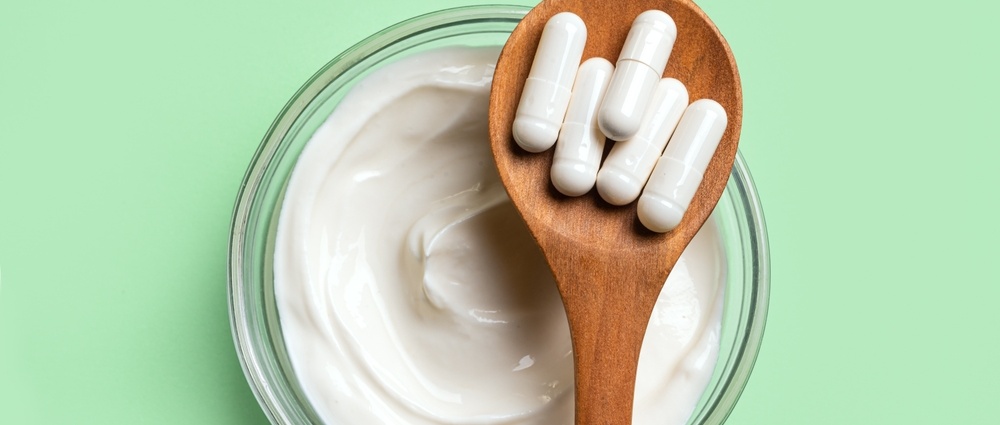
What are probiotics?
Peer reviewed by Dr Colin Tidy, MRCGPLast updated by Lynn StephenLast updated 28 Jan 2026
Meets Patient’s editorial guidelines
- DownloadDownload
- Share
- Language
- Discussion
- Audio Version
- Add to preferred sources on Google
A healthy gut supports your immune system, protects against illness, and aids your body's daily functions. Probiotics are the good bacteria that can help keep your gut healthy, but what exactly do they do? Are there really benefits to consuming probiotic foods and dietary supplements?
What are probiotics?
Probiotics are live bacteria and yeasts found in your digestive system. The word probiotics is also used to describe foods or supplements which contain large amounts of these tiny living organisms.
Some popular probiotic health products often refer to these as the friendly bacteria or good bacteria. To scientists, these bacteria are known as microbes.
What do probiotics do?
Probiotics help to keep your gut healthy. The gut refers to your entire digestive system, from mouth to anus, also known as your digestive tract.
In your gut, you have thousands of different types of bacteria and other microorganisms. Scientists call this your gut microbiome. Probiotics are the bacteria that support important bodily functions and your overall health.
Every person has gut bacteria that can cause you harm if there are too many in comparison to probiotics. This imbalance is called gut dysbiosis, and it can be brought on by infectious disease, long-term use of bacteria-destroying medicines such as antibiotics, or by following certain diets.1
If this happens, you can increase the levels of probiotics in your gut by consuming probiotic foods or supplements. Your gut microbiome plays a key role in your immune system and many daily operations of the human body. So evidence suggests that addressing an imbalance of bad and good bacteria may help protect against several diseases and health issues.
What are the benefits of taking probiotics?
There is little evidence that taking probiotics through food or dietary supplements can benefit healthy people. Research even suggests that many people's gut microbiomes don't change when they consume probiotics, and that most actually pass right out of the body.
Yet, if you have an issue linked to your digestive health, probiotics may be worth trying.
There's evidence that taking probiotics may help:
Relieve the symptoms of irritable bowel syndrome (IBS) - and certain probiotic strains may be better for this than others.
Reduce occurrences of regular diarrhoea, constipation, bloating, and wind.
Improve lactose intolerance symptoms.
Manage blood sugar levels in people with type 2 diabetes.
Probiotics may also be beneficial for:
Pregnancy - they may help protect against pregnancy complications, support your maternal health, and reduce the chance of your baby developing certain conditions.
Babies - as 70% of the immune system is in the gut, probiotics may aid the development of your baby's immune system and help with certain health conditions such as asthma, infant colic, and food allergies.
People who take a prolonged course of bacteria-destroying medicines - such as antibiotics.
How to use probiotics safely
Probiotic fermented foods
Whether you have a specific gut-related health concern or not, eating probiotic foods is not only safe but good for your general health. For example, the fermented dairy drink kefir may also be useful in preventing and treating cancer - however it should not be used instead of traditional medicines for treating cancer - with research in this area ongoing.2
We explore the five best probiotic foods here.
Probiotic dietary supplements
There are also plenty of probiotic supplements. You can get these as oral tablets, liquids, or sachets. Provided that you follow the instructions for the recommended dosage, these are safe for everyone to use, although if you're pregnant you should speak to your pregnancy healthcare advisor first. There's currently no evidence that probiotics are unsafe in the long term, although we need more research on the effects of extended use.
If you have a gut-related issue, your doctor or dietitian may recommend a specific probiotic supplement. However, these products are also widely available online and in pharmacies. If shopping around yourself, make sure you choose a quality product.
Buying a quality supplement
Probiotic strains - if taking for a specific health problem, check if the probiotic strain has been specifically studied for that issue.
Colony-forming units (CFU) - check if the label details the CFU count. This is the amount of live friendly bacteria the product contains. A quality product will contain at least 1 billion CFU per dose.
Randomised controlled trials - you can check the product manufacturer website or contact them to find out the research they have done. The most reliable studies are:
Placebo-controlled - participants are randomly assigned to receive either a real or fake probiotic.
Double-blind - neither the scientist nor the participant knows if they are taking the real or fake probiotic.
Third-party testing - check if the supplement that has had third-party testing by an independent laboratory.
Patient picks for Vitamins and supplements
Diabetes
Can taking supplements help manage diabetes?
According to Diabetes UK, some people with diabetes believe that certain vitamins and supplements may help manage their blood sugar levels. While they shouldn't be a substitute for conventional treatment, here’s a look at some of the most commonly used supplements, and their purported benefits.
by Victoria Raw

Diet and nutrition
How to boost your vitamin D levels this winter
With less sunlight during the winter months, your body's ability to produce vitamin D diminishes. This can have a negative effect on your health. But what happens to our vitamin D levels during winter, and how can we support our health by boosting them until the sunshine returns?
by Victoria Raw
Further reading and references
- Harvard T.H. Chan; The Microbiome
- Sharifi M, Moridnia A, Mortazavi D, et al; Kefir: a powerful probiotics with anticancer properties. Med Oncol. 2017 Sep 27;34(11):183. doi: 10.1007/s12032-017-1044-9.
About the authorView full bio
Updated by

Lynn Stephen
Content developer
MA (Hons)
Lynn joined Patient in 2023 and her role includes checking all the professional leaflets, patient information leaflets and medicine leaflets, to ensure consistency of spelling, grammar, reference material and brand style, working with the medical authors and clinical director to coordinate the authoring and peer reviewing of the leaflets.
Authored by

Amberley Davis
Senior writer
BA (Hons), CPD
Amberley is a senior writer with Patient and has written extensively on a range of health and wellbeing topics.
About the reviewerView full bio

Dr Colin Tidy, MRCGP
General Practitioner, Medical Author
MBBS, MRCGP, MRCP (Paediatrics), DCH
Dr Colin Tidy is an NHS Doctor, based in Oxfordshire.
Article history
Article also available in English, German, Spanish, French, Italian, Portuguese, Hindi, Hebrew, Arabic, and Swedish.
Next review due: 28 Jan 2029
28 Jan 2026 | Latest version
27 Jan 2023 | Originally published
Authored by:
Amberley Davis
Join the conversation
Share your thoughts or experiences with others in our patient communities.

Ask, share, connect.
Browse discussions, ask questions, and share experiences across hundreds of health topics.

Feeling unwell?
Assess your symptoms online for free
Sign up to the Patient newsletter
Your weekly dose of clear, trustworthy health advice - written to help you feel informed, confident and in control.
By subscribing you accept our Privacy Policy. You can unsubscribe at any time. We never sell your data.