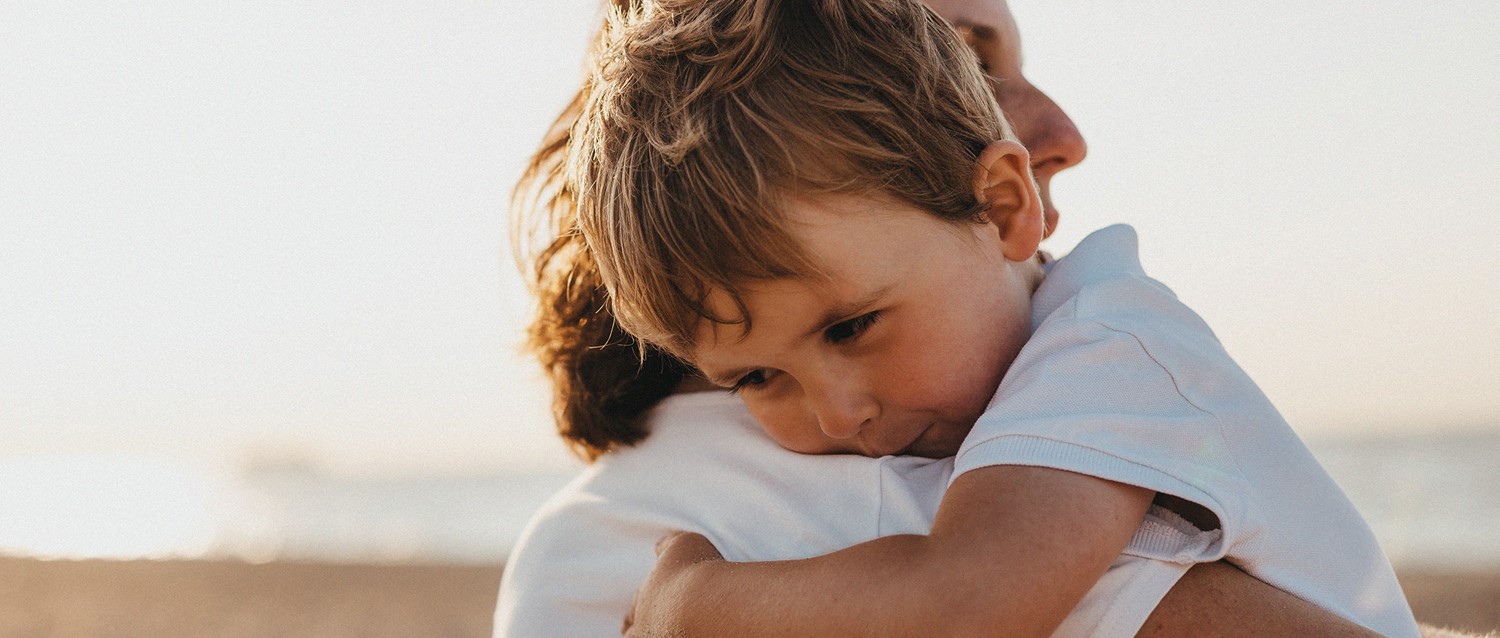
Should all children be screened for mental health problems?
Peer reviewed by Dr Colin Tidy, MRCGPAuthored by Dr Sarah JarvisOriginally published 10 Oct 2018
Meets Patient’s editorial guidelines
- DownloadDownload
- Share
- Language
- Discussion
- Audio Version
- Add to preferred sources on Google
With World Mental Health Day falling this week, newspapers have been full of headlines about government initiatives to tackle mental health problems across all ages. But while the news may look good, many fear it's simply papering over some gaping cracks.
"Teachers to assess children as young as four" ran the (largely positive) headlines which accompanied the Government's initiative on identifying early warning signs of mental health issues in schools. The plans include:
A new minister for suicide prevention.
A £1.8 million investment over the next four years in the Samaritans, to allow them to keep their services free of charge.
A long-term plan for 8,000 mental health specialists in schools.
A senior member of staff responsible for mental health in each school.
New school classes on 'mental resilience' on the school curriculum from 2020.
Optional annual assessments from age four, looking at how children perceive their satisfaction with life and how worthwhile their life is.
Where the Samaritans are concerned - three unreserved cheers from me and all the thousands of GPs whose patients have benefited from this extraordinary voluntary service.
As for the suicide prevention minister - while suicide rates continue to fall in the UK, there were still almost 4,500 suicides in the UK last year, 3/4 of them among men. Among 40- to 44-year-old men, suicide is the single most common cause of death. And any minister who can open doors, push for awareness raising and help reduce the stigma that still surrounds mental health gets my seal of approval.
A problem we can't ignore
But what about young people? There's no doubt we have a problem. According to figures from the Office for National Statistics, one in eight 10- to 15-year-olds has symptoms of mental ill health and as many as one in five girls self-harm in their early teenage years. It is no surprise that bullying plays a part, with children who are the subject of frequent bullying four times more likely than average to report mental health problems.
Nor can we ignore the possible link between social media use and mental well-being - high users of social websites (over three hours a week) are more than twice as likely to report symptoms of mental ill health compared to lower users. This surprises me not one bit: in my consulting room, I see far too many instances of young people whose sense of self is entirely intertwined with their 'virtual presence', and who compare their own lives constantly to the airbrushed existences of vloggers and media influencers.
I believe that bullying, too, is linked to social media. My patients used to report that being bullied at school was hell, but at least they had some respite in the loving environment of their own home. Today, cyberbullying follows you even into your bedroom and there is no escape from the nightmare.
Improving access to support
Finally, experts have been calling for universal mental health checks in school for years. So why am I not overjoyed at this latest announcement? When I was asked on Good Morning Britain for my reaction, the best I could come up with was 'It's a start'. Because identifying mental distress is one thing - having the resources to tackle it is quite another.
The Prime Minister admitted when she announced these changes that half of mental health problems begin before the age of 15, but only one in three gets the correct treatment. And therein lies the problem: the National Audit Office this week found that only one in four young people who need support from mental health services can access them.
The Health Minister Matt Hancock admits that mental health services have been under-resourced and undervalued. The announcement on school interventions is part of a proposed £1.4 billion investment in mental health, which aims to treat an extra 70,000 young people each year by 2020/21. But even if none of this money is siphoned off once the headlines have died down, the National Audit Office still predicts it will fail to bridge the gap.
The easy answer to the problem of mental health services is to fund it better, and ring-fence that funding so it cannot be channelled towards any one of the other pressing priorities in the NHS. But money, while welcome, can only go so far - every speciality will want a slice diverted to them, and staff shortages in a particularly challenging profession are a constant threat.
Do I want the suffering of young people identified earlier? Of course I do. But I have watched too many families suffer the agony of watching their child spiral into a vicious cycle of self-harm, low self-esteem and despair while they languish on a waiting list. Until parents hear from a school that their child is 'at risk' and can be confident they will be able to access the care their child so desperately needs, I can only bring myself to raise one half-hearted cheer for school mental health screening.
Patient picks for Mental health and behaviour
Children's health
Could my toddler be depressed?
Your toddler is screaming blue murder whilst going bright red in the face – we’ve all had to deal with a tot who’s lost control and lets everyone know how unhappy they are.
by Danny Chadburn
Children's health
PANDAS: what we know and what we don’t
We live in an age where medical science is advancing at an incredible rate. But most doctors will agree that we are a long way from knowing everything. And this is the case with a condition known as PANDAS (paediatric autoimmune neuropsychiatric disorders associated with streptococcal infections) in which streptococcal antibodies are thought to affect the brain.
by Gillian Harvey
About the authorView full bio
Authored by

Dr Sarah Jarvis
Clinical Consultant
MA (Cantab), BM, BCh (Oxon), DRCOG, FRCGP, MBE
After training in medicine at Cambridge and Oxford, Dr Sarah Jarvis MBE became a GP.
About the reviewerView full bio

Dr Colin Tidy, MRCGP
General Practitioner, Medical Author
MBBS, MRCGP, MRCP (Paediatrics), DCH
Dr Colin Tidy is an NHS Doctor, based in Oxfordshire.
Article history
Article also available in English, German, Spanish, French, Italian, Portuguese, Hindi, Hebrew, Arabic, and Swedish.
10 Oct 2018 | Originally published
Authored by:
Dr Sarah JarvisPeer reviewed by
Dr Colin Tidy, MRCGP
Join the conversation
Share your thoughts or experiences with others in our patient communities.

Ask, share, connect.
Browse discussions, ask questions, and share experiences across hundreds of health topics.

Feeling unwell?
Assess your symptoms online for free
Sign up to the Patient newsletter
Your weekly dose of clear, trustworthy health advice - written to help you feel informed, confident and in control.
By subscribing you accept our Privacy Policy. You can unsubscribe at any time. We never sell your data.