
O TDAH pode causar ansiedade e depressão?
Revisado por Dr Krishna Vakharia, MRCGPÚltima atualização por Amberley DavisÚltima atualização 6 Oct 2023
Atende aos diretrizes editoriais
- BaixarBaixar
- Compartilhar
- Language
- Discussão
- Versão em Áudio
- Adicionar às fontes preferidas no Google
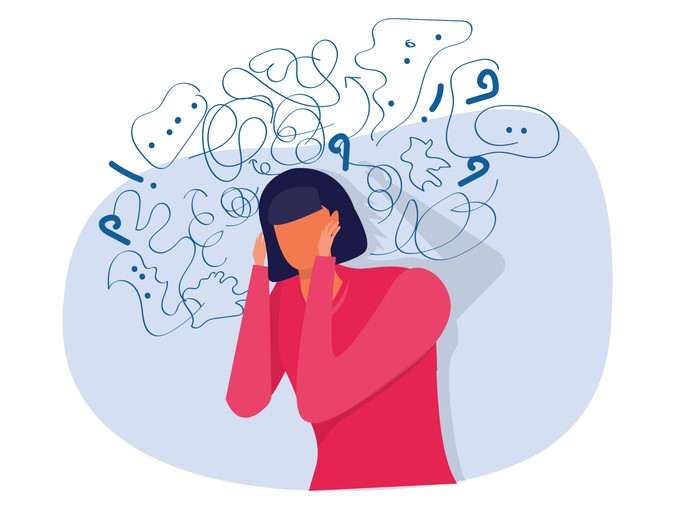
1 em cada 3 pessoas com TDAH diagnosticado também experimentaram depressão, e cerca de 1 em cada 2 têm ansiedade. Essa forte ligação entre TDAH, depressão e ansiedade é amplamente causada pelos sintomas do TDAH, que podem tornar a vida uma verdadeira luta.
Patrocinado
Clínica Well Life ADHD
Obtenha acesso a um serviço de TDAH do NHS liderado por consultores, com tempos de avaliação mais rápidos, diagnóstico completo e tratamento contínuo - tudo gratuito no NHS.
According to CHADD (Children and Adults with Attention Deficit Hyperactivity Disorder), 1 in 3 people who have been diagnosed with ADHD have also experienced depression, and around 1 in 2 have anxiety disorders1. Those with ADHD are also five times more likely to try taking their own life2.
The relationship between ADHD, depression and anxiety
Transtorno do déficit de atenção com hiperatividade (ADHD), depressão e ansiedade are often referred to as comorbid conditions, meaning you can have more than one at the same time. However, this description can be misleading because this suggests that these conditions all occur independently of each other - with little connection.
Yet, if you have ADHD and have feelings of depression or anxiety, it's thought that these emotions are a direct result of your ADHD - and the negative affect it can have on daily life. In turn, receiving better treatment for ADHD symptoms is likely to also improve your anxiety or depression3.
There are also other contributing factors:
Genetics - there are shared genetic factors between people with all three conditions, which may help explain why they often overlap4.
PTSD - up to 37% of adults with ADHD will experience PTSD (post-traumatic stress disorder) at some point5. PTSD also increases your chances of anxiety and depression.
ADHD medication - some ADHD medicines have a stimulating effect that may trigger anxiety. Stimulants also increase your dopamine levels, and levels that become too high - usually through over-use of medication - may cause depression6.
ADHD as a cause for depression and anxiety
The main symptoms of ADHD centre around inattentiveness, hyperactivity and impulsiveness. These can make coping with life really difficult, especially when left untreated.
An inability to focus for people experiencing the 'inattention subtype' can lead to problems in both school and work. This can make it hard for people to reach their potential and often they are left feeling like underachievers. For those with the 'hyperactive-impulsive subtype', acting in a way that is considered either inappropriate or rude can hinder and damage relationships.
People with ADHD can have either or both of these subtypes. If you have both, you fall into the 'combined subtype'. There are many other aspects of ADHD that can make life more difficult, damage self-esteem, and can create feelings of hopelessness and despondency - common symptoms of depression. If you feel stressed trying to fit in with your peers, you're also more vulnerable to anxiety.
Misdiagnosing ADHD
There is overlap in the symptoms of ADHD, depression and anxiety which can make these conditions difficult to diagnose and treat. If someone with unrecognised ADHD is treated for depression or anxiety, the treatment has limited effectiveness, as the root cause of the symptom is not being addressed.
Other factors also influence misdiagnosis. Younger children and those born closest to the school start age are more likely to be diagnosed with ADHD, and boys are also more likely than girls to be diagnosed7.
This may be because boys are more likely to have hyperactive symptoms, which make them disruptive, while girls may be more prone to inattention. This makes girls with ADHD more likely to sit at the back of the classroom and daydream, but they're less likely to cause problems for others which demand action.
Although it is now thought that up to 65% of ADHD symptoms continue from childhood into adulthood8, adults who haven't been diagnosed as children are less likely to receive a correct ADHD diagnosis later on.
A failure to diagnose and, therefore, treat ADHD increases their chances of developing depression and anxiety disorders. To tackle this, the National Institute for Health and Care Excellence (NICE) guidelines recommend that doctors screen all patients displaying the signs of anxiety or depression for ADHD as well9.
Identifying a connection between ADHD, depression and anxiety
What happens when you have a dual diagnosis of ADHD and depression or ADHD and anxiety, or even all three? Doctors then need to determine if the conditions are comorbid or if the ADHD is causing the depression or anxiety. Doctors may ask a number of questions in order to determine the difference.
Has ADHD caused your depression?
If you are experiencing depression as a result of your ADHD, you may not display all the main features of major depression. Instead, you may believe that you wouldn't feel depressed if you had been able to accomplish certain goals that were instead made hard by ADHD. Sometimes this distinction can become apparent as your doctor asks you a range of questions.
Has ADHD caused your anxiety?
If you are dealing with anxiety as a result of your ADHD, your anxiety is likely to be triggered by circumstances that your ADHD symptoms affect. For example, you may have anxiety only around exames because your ability to focus and accomplish high results is affected by your ADHD. Doctors will be asking questions that determine if outside of ADHD-related concerns, your outlook is relatively more positive and calm.
Treating ADHD, depression and anxiety in combination
If you have both ADHD and depression and/or anxiety, many treatments work well with each other. Terapia cognitivo-comportamental (CBT), a talking therapy where the brain is coached to better deal with mood disorders, can be used to ease the symptoms of all three conditions.
Implementing a few lifestyle changes can also help to manage your symptoms. Establishing a good routine that includes getting good sleep, eating a dieta equilibrada and incorporating stress-relieving exercises can make managing ADHD, depression and anxiety a lot easier.
Prescription medications can also help, but certain medications for ADHD may affect your sleep and appetite, which may negatively impact your depression. Your doctor can create a treatment plan that works best for your diagnoses, which may involve a combination of stimulants and non-stimulant drugs.
If you believe that you may be experiencing depression or anxiety alongside ADHD, speak to your doctor. They will be able to discuss the best treatment plan for you.
Leitura adicional
Escolhas do paciente para TDAH
Cérebro e nervos
Quais são os sinais de TDAH em mulheres?
In school, boys are twice as likely to be diagnosed with attention deficit hyperactivity disorder (ADHD) as girls. Experts now believe that this gap isn't because more boys develop ADHD, but because many girls go undiagnosed. As ADHD diagnoses in adult women surge, we explore the differences in symptoms between girls/women and boys/men, as well as the signs grown women can look out for in daily life.
por Amberley Davis

Cérebro e nervos
Quais são os sintomas de TDAH e autismo (AuDHD)? Sinais, diferenças e sobreposições
O Transtorno do Déficit de Atenção com Hiperatividade (TDAH) e o Transtorno do Espectro Autista (TEA) são condições do neurodesenvolvimento que podem frequentemente coexistir. Quando ambas as condições estão presentes, isso é às vezes referido como AuDHD (TDAH e Autismo). Embora não seja um termo usado por médicos ao dar diagnósticos, as pessoas costumam usá-lo para significar que têm ambas as condições. Nesta seção, os sintomas do TDAH e do autismo serão explorados separadamente e, em seguida, como a combinação se apresenta.
por Dra. Rachna Rajput, Psiquiatria Reino Unido
Perguntas frequentes
What are comorbid conditions in the context of ADHD, depression, and anxiety?
Comorbid conditions refer to having more than one medical condition at the same time. The article explains that ADHD, depression, and anxiety are often called comorbid, but clarifies that this term can be misleading as it might imply they occur independently. In fact, if you have ADHD, any depression or anxiety you feel might be a direct result of your ADHD’s impact on daily life.
Can ADHD medication worsen my anxiety or cause depression?
Yes, some ADHD medications, specifically stimulants, can have a stimulating effect that may trigger anxiety. Additionally, if dopamine levels become too high due to overuse of stimulant medication, it may cause depression.
Why is ADHD sometimes misdiagnosed, especially in girls or adults?
ADHD can be misdiagnosed because its symptoms overlap with those of depression and anxiety. Boys are often diagnosed more readily due to hyperactive symptoms, while girls may present with inattention, which is less disruptive and thus less likely to demand immediate action. Adults, especially those not diagnosed as children, are also less likely to receive a correct ADHD diagnosis, increasing their risk of developing depression and anxiety.
What makes depression or anxiety specifically linked to my ADHD, rather than being separate conditions?
If your depression is a result of ADHD, you might feel depressed because you haven't been able to achieve goals due to your ADHD. Similarly, if your anxiety stems from ADHD, it's likely triggered by situations where your ADHD symptoms are problematic, such as anxiety only around exams because your focus is affected by ADHD. Doctors ask specific questions to determine if these emotions are directly tied to your ADHD challenges.
Are there common treatments for ADHD, depression, and anxiety when they occur together?
Yes, several treatments work well for all three conditions. Cognitive behavioural therapy (CBT) is a talking therapy that can help manage mood disorders common to ADHD, depression, and anxiety. Lifestyle changes like establishing good sleep routines, a balanced diet, and stress-relieving exercises can also help. Your doctor can also create a medication plan, potentially combining stimulants and non-stimulant drugs, being mindful that some ADHD medications might affect sleep or appetite.
Sobre o autorVer biografia completa

Amberley Davis
Escritor sênior
BA (Hons), CPD
Amberley é uma escritora sênior na Patient e escreveu extensivamente sobre uma variedade de tópicos de saúde e bem-estar.
Sobre o revisorVer biografia completa

Dr Krishna Vakharia, MRCGP
Diretor Médico de Saúde, Optum UK
MBChB, MRCGP(2013), BMedSci (hons), DFSRH, DRCOG, PGDipDerm (Distn)
Dr. Krishna Vakharia é uma médica de clínica geral do NHS. Ela também é examinadora regular do Diploma de Pós-Graduação em Dermatologia Prática na Universidade de Cardiff, além de ser a Diretora Médica de Saúde na Optum UK.
Histórico do artigo
As informações nesta página são revisadas por pares por clínicos qualificados.
Artigo também disponível em Inglês, Alemão, Espanhol, Francês, Italiano, Português, Hindi, Hebraico, Árabe, e Sueco.
6 Oct 2023 | Última versão
5 Nov 2021 | Publicado originalmente
Escrito por:
Amberley Davis

Pergunte, compartilhe, conecte-se.
Navegue por discussões, faça perguntas e compartilhe experiências em centenas de tópicos de saúde.

Sentindo-se mal?
Avalie seus sintomas online gratuitamente
Inscreva-se no boletim informativo do Patient
Sua dose semanal de conselhos de saúde claros e confiáveis - escritos para ajudá-lo a se sentir informado, confiante e no controle.
Ao se inscrever, você aceita nossos Política de Privacidade. Você pode cancelar a inscrição a qualquer momento. Nunca vendemos seus dados.
Mais sobre cérebro e nervos
- 7 maneiras de ajudar a proteger seu cérebro da demência
- Diagnóstico de TDAH: Como obter um diagnóstico e o que esperar
- Novos tratamentos para EM estão no horizonte?
- Libertando-se da máscara: como entender e superar isso
- Poderia a histamina ser a causa das suas enxaquecas?
- Desmistificando mitos e estereótipos comuns sobre TDAH
- Epilepsia e direção: o que você precisa saber
- Como identificar os gatilhos da sua enxaqueca
- NovoComo identificar sinais de TDAH em seu filho neste verão
- Como lidar com problemas alimentares em crianças com autismo
- Vivendo com Doença do Neurônio Motor - A história de Louise
- Mitos sobre herpes zoster que você deve parar de acreditar
- O poder da nostalgia: o que é a Terapia de Reminiscência?
- O que é uma cefaleia em trovoada e como ela se sente?
- O que agrava a doença de Parkinson?
- Por que me ofereceram a vacina contra herpes zoster?
- Por que nossos cérebros são viciados em más notícias
- A demência de início precoce está ligada à saúde e ao estilo de vida, assim como à genética
- Seu guia para prevenção de AVC