Can red yeast rice lower your cholesterol?
Peer reviewed by Dr Krishna Vakharia, MRCGPAuthored by Victoria RawOriginally published 25 Jun 2024
Meets Patient’s editorial guidelines
- DownloadDownload
- Share
- Language
- Discussion
- Audio Version
- Add to preferred sources on Google
Red yeast rice extract has been used for centuries in traditional Chinese medicine. With a list of wellness perks attached to its name, it's recently gained popularity as a dietary supplement. But what are the health advantages of red yeast rice, and are there any side effects?
What is red yeast rice?
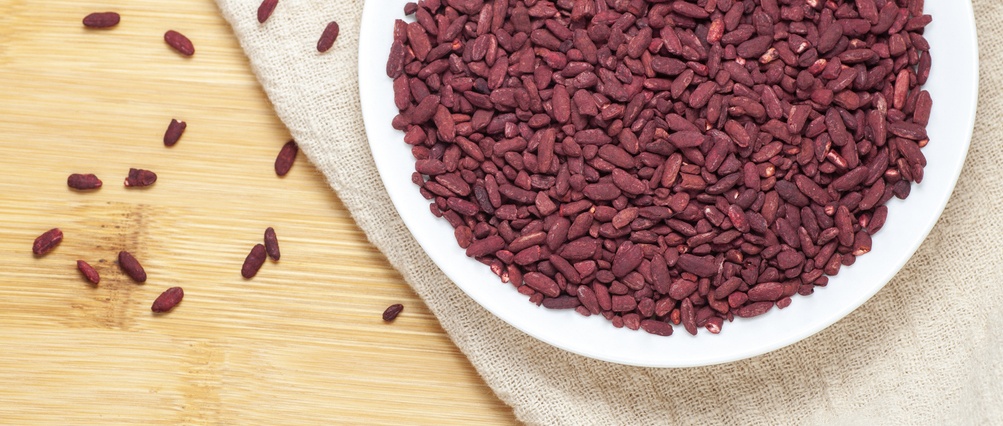
Despite its name, red yeast rice is not the kind of rice you can serve up with a curry or mix into a risotto. It's made with mould - not yeast - and sold as a supplement in pill or capsule form under the more appealing name of red yeast rice.
Red yeast rice is made by fermenting regular rice with a mould called Monascus purpureus, which gives it its distinctive reddish-purple colour. This mould infuses the rice with chemical substances called monacolins. One substance in particular - monacolin K - is almost identical in structural makeup to the cholesterol lowering medicine, lovastatin1.
Red yeast rice benefits
The prescription drug lovastatin is a statin that lowers the body's cholesterol production to stop it from building up inside your arteries. Blocked arteries are bad for your health and can prevent your blood from reaching the heart, brain and other important organs. This can increase your chances of having a heart attack or stroke.
Lovastatin belongs to a group of medicines that work similarly to lower your cholesterol levels. The most commonly prescribed statins in the UK are:
Atorvastatin.
Pravastatin.
Rosuvastatin.
Simvastatin.
Fitness and nutrition advisor Dr Chris Mohr, former Sports Nutritionist for the US football team Cincinnati Bengals and University of Massachusetts Athletic Program, says: "Taking red yeast rice as a supplement may help your heart. It could potentially lower your body's bad cholesterol levels (LDL) due to its naturally occurring 'statin' - monacolin K".
Research into the effects of red yeast rice on other conditions including heart health are inconclusive but are ongoing.
Metabolic Syndrome
Metabolic syndrome refers to a group of conditions that contribute to heart disease, stroke and type 2 diabetes. These include:
High levels of bad cholesterol.
Increased blood pressure.
High blood sugar.
Abdominal obesity - extra fat in your tummy area.
Because red yeast rice could help lower cholesterol, studies are exploring its potential to help moderate metabolic syndrome-related conditions such as high cholesterol, blood pressure and blood sugar2 - again, more research is needed to understand the effects.
Red yeast rice dosage
Mohr explains that the dosage of red yeast rice can vary depending on the specific product and the concentration of active compounds it has.
"Dosages used in studies have ranged from 600 to 1,200 milligrams taken twice a day," he says. "It’s important to talk to a healthcare provider before starting this or any new supplement because if the active ingredient - monacolin K - is too high, it's too similar to those in prescription statin medications."
There is no recommended dosage of red yeast rice supplements as the amount of monacolin K can vary in each product. This can vary widely between brands.
There is currently a lack of research on the safety of red yeast rice. Unlike statins, the monacolin K in red yeast rice does not have well-established safe dosage regulations3.
Many red yeast rice dietary supplements bought in health food stores or online shops have either little to no monacolin K - or contain it in high amounts. This means that - due to lack of regulation - there's no way for you to know how much monacolin K you're getting from these supplements - which could potentially be dangerous, especially if you are on other medication.
Before taking red yeast rice - or other - supplements, you should speak to your doctor.
Red yeast rice side effects
Though red yeast rice may be natural, research shows its side effects may be similar to statins.
Commonly reported side effects of red yeast rice supplements include:
Digestive issues such as tummy pain, heartburn, gas and bloating3.
Muscle pain and weakness, and in rare cases rhabdomyolysis. This is a condition where skeletal muscle tissue disintegrates and leaks into your bloodstream4.
Increased chances of liver damage at high doses or long-term use.
Red yeast rice is not recommended for people with kidney or liver disease as it may worsen their condition.
Does red yeast rice interfere with medicines?
Like statins, red yeast rice can interact with other medicines. So always seek medical advice before taking supplements containing red yeast rice if you are on any medication.
"Red yeast rice may interact with certain medicines - especially other cholesterol-lowering drugs like statins, since it can have a similar active ingredient," Mohr warns. "It's important to talk with a doctor before starting red yeast rice to avoid potential negative interactions - particularly concerning liver health or medications affecting liver enzymes."
As research into the safety of red yeast rice is still ongoing, you should not take it if you're pregnant or breastfeeding3.
Overall, studies show the effectiveness of red yeast rice products present a complex mix of benefits and side effects. It's not currently considered a safe alternative to cholesterol-lowering prescription medicines though.
Given the lack of regulation for red yeast rice, talk to your doctor to see whether it's really suitable for you. Prescription medications - with established research and safety regulations - may be more reliable.
Further reading
Patient picks for Healthy eating
Diet and nutrition
How much meat should we be eating?
Many people are turning vegetarian and vegan for environmental, ethical, and health reasons. However, meat can also be a good source of protein and provides many important vitamins and minerals, including iron. So how much meat should we be eating - or is it better for us to avoid meat entirely?
by Lynn Stephen

Diet and nutrition
How to have a healthy Christmas party
Christmas parties are just around the corner and ‘tis the season to be jolly - but if you’re not careful, also the season to pile on the pounds. These days, we’re all more aware of the dangers of excess fat and sugar in our diets, but traditional Christmas foods all seem to hark back to the days when nobody had to worry about their weight.
by Dr Sarah Jarvis
About the authorView full bio
Authored by

Victoria Raw
Feature Writer
BA (Hons), English Literature
Victoria is a content writer at Patient, with special interests spanning mental wellbeing, societal trends and the impact of technology on our health.
About the reviewerView full bio

Dr Krishna Vakharia, MRCGP
Chief Medical Officer for Health, Optum UK
MBChB, MRCGP(2013), BMedSci (hons), DFSRH, DRCOG, PGDipDerm (Distn)
Dr Krishna Vakharia is an NHS GP. She is also a regular examiner for the postgraduate Diploma in Practical Dermatology at Cardiff University as well as being the Chief Medical Officer for health at Optum UK.
Article history
Article also available in English, German, Spanish, French, Italian, Portuguese, Hindi, Hebrew, Arabic, and Swedish.
Next review due: 27 Jun 2027
25 Jun 2024 | Originally published
Authored by:
Victoria RawPeer reviewed by
Dr Krishna Vakharia, MRCGP
Join the conversation
Share your thoughts or experiences with others in our patient communities.

Ask, share, connect.
Browse discussions, ask questions, and share experiences across hundreds of health topics.

Feeling unwell?
Assess your symptoms online for free
Sign up to the Patient newsletter
Your weekly dose of clear, trustworthy health advice - written to help you feel informed, confident and in control.
By subscribing you accept our Privacy Policy. You can unsubscribe at any time. We never sell your data.