Testes de anticorpos e antígenos
Revisado por Dr Colin Tidy, MRCGPÚltima atualização por Dr Toni Hazell, FRCGPÚltima atualização 7 Ago 2023
Atende aos diretrizes editoriais
- BaixarBaixar
- Compartilhar
- Language
- Discussão
- Versão em Áudio
- Adicionar às fontes preferidas no Google
Anticorpos fazem parte do sistema de defesa (imunológico) do corpo. Antígenos são as partículas que fazem o corpo produzir um anticorpo. Testes para detectar anticorpos e antígenos ajudam a identificar certas infecções e algumas outras condições médicas.
Em resumo
Antibodies are proteins made by your immune system to fight foreign substances.
Antigens are foreign substances, like germs, that trigger an immune response.
Antibody tests look for antibodies in your body, which can show past infections or autoimmune conditions.
Antigen tests look for the foreign substance itself, helping to diagnose current infections.
Rapid antigen tests can quickly detect infections like flu or COVID-19.
What is the difference between antibodies and antigens?
Antibodies are small proteins that circulate in the bloodstream. They are part of the body's defence (immune) system and are sometimes called immunoglobulins. They are made by a type of white blood cell (a B lymphocyte). Antibodies attach to proteins and other chemicals in the body, which they recognise to be not normally found in the body ('foreign'). The foreign proteins and chemicals that antibodies attach to are called antigens.
See the separate leaflet called The Immune System for further information.
Auto-antibodies
Auto-antibodies occur in people with certain diseases. These diseases are called autoimmune diseases. In these conditions you make antibodies to normal proteins or structures in a part of your body.
The immune system 'mistakes' a protein in your body and treats it as a foreign antigen. It then makes antibodies which attach to this protein. This can cause damage or other problems to the affected part of the body. For example, the common cause of an underactive thyroid gland is due to an autoimmune problem. Antibodies attach to cells of the thyroid gland, which stops them from making thyroid hormone.
What is an antibody test?
An antibody test looks for the antibodies which were made when your body encountered an infection, either due to vaccination or due to being infected. For example, if a woman is being treated at a fertility clinic, her rubella (German measles) antibody will usually be tested to make sure that she is immune to rubella. This is because catching rubella during pregnancy can cause severe and irreversible damage to the unborn child. If the antibody is negative, vaccination would be arranged.
During the COVID-19 pandemic, antibody tests were used to see if someone had previously had the SARS‑CoV‑2 virus which causes COVID-19. However we now know that you can catch this more than once and so a positive antibody test is not protective against future infection.
How are antibody tests used?
Various antibodies can be detected and measured in blood samples. Sometimes they can be found in other samples such as saliva. Scientists are discovering more antibodies all the time. The results of some antibody tests can be 'diagnostic' for particular illnesses. This means that, if you test positive for a particular antibody, you have a certain condition now. Unfortunately it can also mean that you might have had this illness in the past - see below.
Sometimes a positive test means it is not certain (but is much more likely) that you have a particular illness.
Antibody tests may be done for various reasons.
To detect infection
Tests to detect certain antibodies can help to diagnose some types of infections. However, when you are newly infected with a germ, it takes some time (sometimes months) for the level of antibody to rise and to be detected.
Therefore, antibody tests are often not useful to diagnose a new infection quickly. Other tests, such as looking at a sample down the microscope (microscopy) and attempting to grow germs from the sample (culture), and antigen tests, are often quicker and more useful when a quick diagnosis is needed for a new illness.
However, some antibody tests are useful to diagnose a persisting infection, or to confirm that you have been infected in the past and are now immune. For example, if a pregnant woman is in touch with someone who has chickenpox, her antibodies would usually be checked to see if she is at risk of catching it, with potential risks to her unborn child.
Different types of antibodies are made at different times during and after an infection. The first antibodies to be made are called immunoglobulin M, or IgM. The antibodies that are made when you are getting better are called immunoglobulin G, or IgG. Sometimes two blood tests will be taken at least two weeks apart to see if there has been a change in antibodies that would confirm a new infection.
Sometimes a positive antibody test shows that you had the infection in the past, but do not have it now. For example, if you catch hepatitis C but you clear the virus naturally (which happens in about 30% of cases), or you are successfully treated for it, your antibody test will stay positive for life and you would need a different test, looking for the genetic material of the virus, to see if you have caught it again.
To diagnose autoimmune disorders
Conditions such as thyroid disorders (hipertireoidismo e hipotireoidismo), doença de Addison, anemia perniciosa e cirrose biliar primária are autoimmune conditions. They have particular auto-antibodies that can be detected in a blood sample. In some autoimmune skin conditions, an antibody can be detected from a sample of the skin. (Antibodies can be identified attached to structures in the skin.)
There are various tests. The most common one used is the antinuclear antibody test (ANA test). This test indicates whether there is a chance of the individual suffering from an autoimmune condition. However it cannot diagnose the specific autoimmune condition. A positive ANA reading alone does confiar indicate an autoimmune disease.
ANAs are found in around 3-15 out of 100 healthy individuals. They are produced more often as you age, so can be found in 10-37 healthy persons over the age of 65. A positive ANA result can also occur in other conditions - such as viral infections, and cancers - and in patients who have relatives with autoimmune conditions. A positive test will show your doctor that further testing is needed.
To diagnose certain other conditions
Por exemplo:
Myeloma is a condition where the bone marrow makes too many lymphocytes which make abnormal quantities of antibodies. These can be detected in the blood to diagnose this condition.
Alguns immune deficiency conditions have low levels of antibodies. Therefore, if you have recurring or persisting infections, you may have tests to see if you lack certain types of antibody.
Antibody tests are sometimes helpful in diagnosing some cancers and allergies.
What is an antigen test?
Some tests can identify the antigen on the surface of some bacteria and some other germs. These tests can be useful to detect an infecting germ quickly without the need to grow (culture) it, or to see it under a microscope. For example, a test on a sample of poo (faeces) can detect the antigen on the surface of a bacterium called Helicobacter pylori. This bacterium can infect the stomach and duodenum to cause duodenal e estômago ulcers. Detecting the antigen in the faeces confirms that you have this bacterium in your gut.
Prostate-specific antigen (PSA) is a chemical made by the prostate gland in men. PSA levels are usually very low or undetectable in young men. However, PSA levels rise as men get older or if the prostate gland is enlarged, inflamed (prostatite) or affected by câncer. Most men with a raised PSA will not have cancer but further tests will be needed to find the cause.
Various other antigen tests help to diagnose certain other infections and conditions.
Types of antigen tests
Rapid antigen testing
A rapid antigen test is suitable for diagnosing infections in care settings, such as emergency departments and out-of-hours services. It directly detects the presence or absence of an antigen. This is different to other investigations that detect antibodies which take longer for the body to produce.
Common examples include tests for:
COVID-19 infection.
The main advantage of an antigen test over an antibody test is that the foreign antigen is present right away. In contrast it can take time to develop antibodies after infection begins. False positive antigen tests (where the test is positive but the person doesn't actually have the infection) are unusual - false negative tests are more common, particularly if the swab-taking technique was not very good.
Some tests can be done at home, for example a lateral flow test for COVID-19, whereas others need to be sent off to a lab, such as the polymerase chain reaction (PCR) test for COVID-19.
HIV antigen testing
The p24 antigen test is used for diagnosing teste de HIV. It is useful because the p24 antigen rises soon after infection and sooner than antibodies. The test is often used with an antibody test to cover a longer period of time - known as the window period - when infection may have occurred.
It is less useful as a standalone test because it is not very sensitive and only works during the early time period after infection. As antibodies to the p24 protein are produced the p24 becomes more difficult to detect. The test usually used for HIV is, therefore, a combined antibody/antigen test. If the test is done too early after catching HIV, there is the risk of a false negative test, if neither the antigen nor antibody are at high enough levels to be detected. It is usually therefore suggested that a negative test is repeated three months after the point at which a person thinks that they might have contracted HIV.
Escolhas do paciente para Exames de sangue
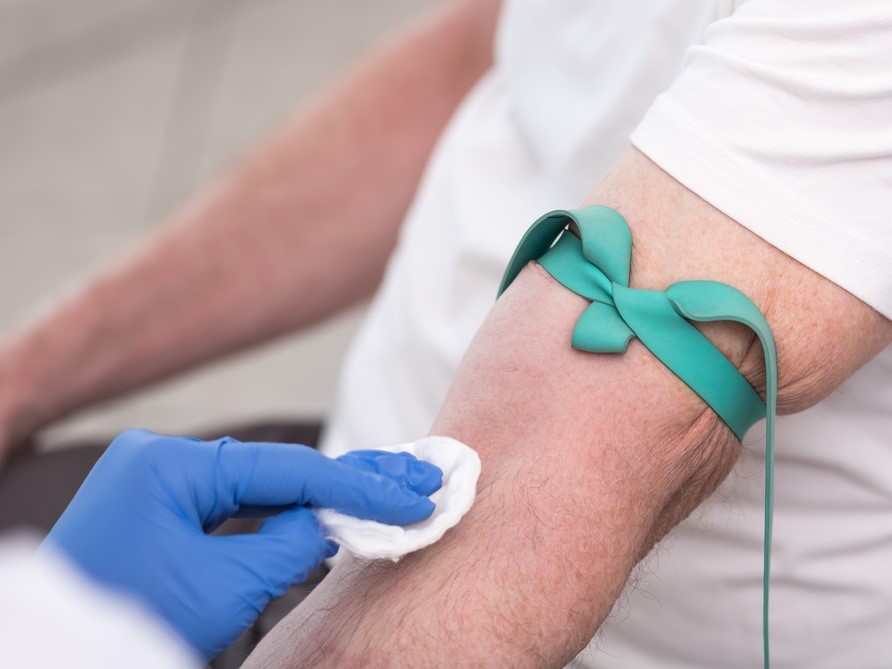
Exames e investigações
Testes de função hepática
Exames de função hepática são um conjunto de análises de sangue comumente realizados para verificar a saúde do seu fígado. Alterações nos exames de função hepática indicam se o seu fígado está sobrecarregado, inflamado, infectado ou doente, e a gravidade dessas condições. O padrão dos exames de função hepática pode indicar a causa e permitir a detecção precoce de problemas não suspeitados, além de monitorar problemas já conhecidos.
por Dra. Rosalyn Adleman, MRCGP
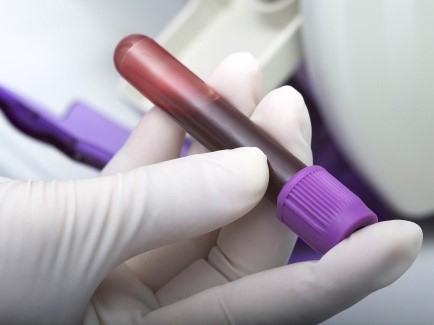
Exames e investigações
Testes de coagulação do sangue
Testes de coagulação sanguínea são usados para diagnosticar e avaliar problemas de sangramento e para monitorar pessoas que usam varfarina ou outros medicamentos anticoagulantes.
por Dra. Hayley Willacy, FRCGP
Perguntas frequentes
What is immunodeficiency, and how do antibody tests help diagnose it?
Immunodeficiency conditions mean the body has low levels of antibodies, making individuals prone to recurring or persisting infections. If you experience these kinds of infections, tests may be performed to check if you lack specific types of antibodies, helping to diagnose such conditions.
Can a positive antinuclear antibody (ANA) test always confirm an autoimmune disease?
No, a positive ANA reading alone does not definitively diagnose an autoimmune disease. While it indicates a possibility, it cannot pinpoint the specific condition. ANAs can also be found in healthy individuals, especially as they age, and in those with viral infections, certain cancers, or a family history of autoimmune diseases. A positive ANA test usually means further investigation is needed by your doctor.
If I have had hepatitis C and recovered, will an antibody test always show positive?
Yes, if you have caught hepatitis C and either cleared the virus naturally or were successfully treated, your antibody test will typically remain positive for life. To determine if you currently have the virus again, a different test would be needed, specifically one that looks for the genetic material of the virus itself.
Leitura adicional e referências
- Lab Tests Online® - UK
- Ortel TL; Antiphospholipid syndrome: laboratory testing and diagnostic strategies. Am J Hematol. 2012 May;87 Suppl 1:S75-81. doi: 10.1002/ajh.23196. Epub 2012 Mar 31.
Sobre o autorVer biografia completa

Dr Toni Hazell, FRCGP
MBBS, BSc, FRCGP, DFSRH, Dip GU med, DRCOG, DCH (London, UK, 2000)
A Dra. Toni Hazell se formou na Escola de Medicina do Hospital St. Mary e fez seu VTS no Hospital Northwick Park.
Sobre o revisorVer biografia completa

Dr Colin Tidy, MRCGP
Médico Generalista, Autor Médico
MBBS, MRCGP, MRCP (Paediatrics), DCH
Dr Colin Tidy é um médico do NHS, baseado em Oxfordshire.
Histórico do artigo
As informações nesta página são escritas e revisadas por clínicos qualificados.
Artigo também disponível em Inglês, Alemão, Espanhol, Francês, Italiano, Português, Hindi, Hebraico, Árabe, e Sueco.
Próxima revisão prevista para: 5 de agosto de 2028
7 Ago 2023 | Última versão

Pergunte, compartilhe, conecte-se.
Navegue por discussões, faça perguntas e compartilhe experiências em centenas de tópicos de saúde.

Sentindo-se mal?
Avalie seus sintomas online gratuitamente
Inscreva-se no boletim informativo do Patient
Sua dose semanal de conselhos de saúde claros e confiáveis - escritos para ajudá-lo a se sentir informado, confiante e no controle.
Ao se inscrever, você aceita nossos Política de Privacidade. Você pode cancelar a inscrição a qualquer momento. Nunca vendemos seus dados.