Próteses dentárias
Revisado por Dr Hayley Willacy, FRCGP Autoria de Toothpick Publicado originalmente 23 Fev 2015
Atende aos diretrizes editoriais
- BaixarBaixar
- Compartilhar
- Language
- Discussão
- Versão em Áudio
- Adicionar às fontes preferidas no Google
Aviso sobre o conteúdo
Esta página não foi revisada recentemente, portanto, algumas informações ou links externos podem ter mudado.
Próteses dentárias são dentes falsos removíveis feitos de acrílico ou metal que substituem dentes perdidos. Embora seu dentista tente manter o máximo possível de seus próprios dentes, mesmo pessoas que mantêm uma boa rotina de saúde bucal podem precisar de próteses em algum momento de suas vidas. Perder dentes não só pode causar problemas na fala e na alimentação, como também pode ter um impacto emocional. Quaisquer que sejam as razões para a perda de dentes, as próteses podem prevenir esses problemas, restaurar a autoconfiança e melhorar sua aparência, proporcionando suporte extra para suas bochechas e lábios. Existem vários tipos de próteses a considerar, dependendo da sua situação, e os custos variam de acordo.
Em resumo
Dentures are custom-made prosthetic teeth to replace missing natural teeth.
Você pode precisar de dentaduras completas ou parciais, dependendo de quantos dentes estão faltando.
Próteses imediatas completas são ajustadas logo após a remoção dos dentes.
Próteses parciais preenchem lacunas e podem ser fixadas aos seus dentes naturais.
As dentaduras geralmente precisam ser removidas à noite para deixar suas gengivas descansarem.
Os custos do NHS para dentaduras são £214 na Inglaterra; os custos privados variam muito.
Você deve continuar visitando seu dentista regularmente para check-ups, mesmo com dentaduras.
What sort of dentures do I need?
Dentures are formed by taking an impression from your mouth and are custom made by a dental technician for the best fit. The colour and the shape of the dentures may be adjusted to look as close to natural teeth as possible.
Depending on how many teeth are missing, you may need to be fitted with complete dentures or partial dentures. Your dentist will give you options depending on your circumstances:
Complete immediate dentures
Also known as full dentures, these prosthetic teeth will be fitted if all your upper and/or lower teeth need to be removed. In most cases, your dentist will be able to insert new dentures immediately after any remaining natural teeth have been removed, ensuring you will not have to go any time without teeth while your gums are healing. Complete dentures fit snugly over your gums and jawbone.
Although your dentist will have taken measurements and modelled your jaw during a prior visit to ensure the dentures fit straightaway, your gums and bone may shrink over time. This is especially true during the first six months after the teeth have been removed and the gum heals. If this is the case, you may need to have your dentures adjusted or replaced to improve the fit.
Complete conventional dentures
In some cases, your dentist might advise that your gums need to heal before you can wear dentures. Although this means that you will be without teeth for several months, you will be more likely to have dentures that fit without needing adjustment later.
Implant-assisted dentures
If you are not able to wear unassisted dentures due to bone loss or an insufficient palate, or if conventional dentures are not suited, an option could be implant-assisted dentures.
Depending on the condition of your jaw, four to six implants will be fitted to each arch, with special fittings that the denture will attach to. Like single tooth implants, this will require creating a hole through your gum into your jawbone to insert an artificial titanium root. This root will require two to six months to fuse with the bone before the denture can be attached to it.
Partial dentures
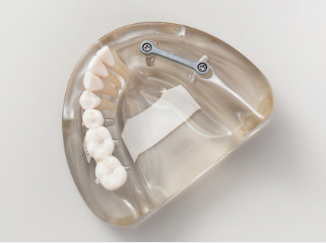
If you have some of your own natural teeth, you may only need a partial denture to fill in the gaps left by missing teeth. Partial dentures usually consist of a metal or plastic plate with a number of false teeth attached. These are either fastened to your natural teeth with a metal clasp so they can be unclipped and removed, or crowns are placed over some of your natural teeth to serve as anchors for the denture.
partial-dentures
How long should I wear dentures for?
For the first few days after being fitted with dentures, you may be advised to wear them constantly. Once your mouth gets used to wearing them, you should remove dentures before you go to bed. This will allow your gums to rest and prevent any fungal infections from developing.
How much do dentures cost?
Having dentures fitted is a band 3 treatment, which costs £214 for NHS dental patients in England. Privately, partial dentures will cost upwards of £400 and complete dentures will cost upwards of £600. The cost of implant-assisted dentures will vary significantly depending on the work involved but is likely to cost in the region of £3,000 upwards. Your dentist can provide you with a written quote before you decide. It is worth noting that dental implants help to preserve the amount of jaw bone which forms the foundation to support the denture.
How long will dentures last?
Well cared-for dentures should last several years but they may need to be relined or re-made after normal wear or after any changes in the shape of your mouth as your gums or bone shrink. Poorly fitting dentures can lead to several problems, including discomfort, bad breath, mouth sores and infections.
Some people who have been wearing full dentures over long periods can find it difficult to have well fitted dentures made.
Will dentures affect how and what I can eat?
Once you first start wearing dentures, you may want to get used to eating with small pieces of soft foods, while avoiding any particularly hard or sticky food. Once you are more familiar with dentures, you should be able to return to a normal, healthy diet.
Do I need to use an adhesive to keep dentures in place?
While you are getting familiar with your dentures, you may want to use a fixative to help keep them in place. This may also be the case if your gums have shrunk a lot. However, tight fitting dentures should not require any adhesive to keep them in place.
Will my mouth require special care?
Even if you have full dentures, you should still take good care of your mouth. Brush your gums, tongue and roof of your mouth twice a day with toothpaste and a soft toothbrush. If you have partial dentures, your natural teeth should be cleaned twice daily to prevent tooth decay, gum disease and any future loss of teeth.
What is the best way to care for dentures?
Dentures need to be cleaned as dutifully as natural teeth and are just as susceptible to plaque and trapped food deposits. At least every morning and night you should brush them with paste or soap and water before soaking. Then, they will need to be soaked in a denture cleaning solution. Particular care needs to be taken to remove any traces of denture fixative.
Finally, your dentures need to be brushed as you would your own teeth, with toothpaste and a small-headed toothbrush. If your dentures have a plaque build-up or stains, your dentist or hygienist can clean them for you.
If you remove your dentures overnight, store them in a small amount of water to stop them warping.
Remember that dentures can be quite delicate and may chip, crack or break if dropped, so take extra care when cleaning them. Do not try to adjust dentures as you may damage them beyond repair.
How often should I visit my dentist?
Even if you have complete dentures, you should plan to see your dentist regularly for a check-up so that they can monitor the health of your mouth lining and ensure that your dentures are fitting properly.
This article was provided by Toothpick, the leading provider of online dentist appointments in the UK.
Escolhas do paciente para Dental problems
Cuidados orais e dentários
Dente avulsionado
Cerca de uma em cada quatro crianças no Reino Unido irá ferir um dente da frente em algum momento. Lesões nos dentes também acontecem com alguns adultos. Às vezes, um dente pode ser completamente arrancado. Este folheto informa o que fazer.
por Dr. Jan Sambrook, MRCGP

Cuidados orais e dentários
Dentes do siso
No total, os adultos podem esperar ter quatro dentes do siso: um de cada lado da parte superior e inferior da mandíbula. Ocasionalmente conhecidos como 'terceiros molares', os dentes do siso são os últimos a nascer e sua chegada, que às vezes pode ocorrer no final dos seus vinte anos, nem sempre é bem-vinda. Em alguns casos, não há espaço suficiente no osso da mandíbula para que esses dentes extras nasçam e, infelizmente, isso pode causar uma série de problemas dolorosos. Muitas vezes, o desconforto e a dor desaparecem por conta própria, mas às vezes os dentes do siso precisam ser removidos. O procedimento geralmente é rápido, realizado com anestesia local, com um tempo de recuperação de alguns dias.
por Dra. Hayley Willacy, FRCGP
Perguntas frequentes
Qual é a diferença entre dentaduras completas imediatas e convencionais?
As dentaduras completas imediatas são ajustadas imediatamente após a remoção dos seus dentes naturais restantes, para que você não precise ficar sem dentes. No entanto, suas gengivas e ossos irão encolher durante a cicatrização, possivelmente exigindo ajustes ou substituições posteriormente. As dentaduras completas convencionais envolvem um período de espera de vários meses para que suas gengivas cicatrizem antes de serem ajustadas. Isso significa que você ficará sem dentes por um tempo, mas as dentaduras têm mais chances de se ajustar sem precisar de ajustes subsequentes.
Quando as dentaduras assistidas por implantes podem ser recomendadas?
Próteses dentárias assistidas por implantes podem ser recomendadas se você tiver dificuldade em usar próteses não assistidas devido a fatores como perda óssea ou um palato insuficiente, ou se as próteses convencionais não forem adequadas para você. Esta opção envolve a colocação cirúrgica de implantes de titânio no seu maxilar para fornecer uma fixação estável para a prótese, exigindo um período de cicatrização para que os implantes se fundam com o osso.
Do que são feitas as dentaduras parciais e como elas se mantêm no lugar?
Próteses parciais geralmente consistem em uma placa de metal ou plástico com dentes falsos anexados para preencher lacunas onde os dentes naturais estão ausentes. Elas são geralmente fixadas aos seus dentes naturais existentes com um grampo de metal, permitindo que sejam desencaixadas e removidas. Alternativamente, coroas podem ser colocadas sobre alguns dos seus dentes naturais para atuar como âncoras para a prótese.
Quanto tempo leva para os implantes se fundirem com o osso para próteses dentárias assistidas por implantes?
Para dentaduras assistidas por implantes, uma vez que as raízes artificiais de titânio (implantes) são inseridas no seu maxilar, geralmente leva entre dois a seis meses para que elas se fundam com o osso antes que a dentadura possa ser fixada com segurança.
Posso ajustar minhas dentaduras sozinho se elas ficarem desconfortáveis?
Não, você não deve tentar ajustar suas dentaduras sozinho. Elas podem ser bastante delicadas, e tentar ajustá-las pode causar danos irreparáveis. Se suas dentaduras estiverem desconfortáveis ou não se ajustarem corretamente, você deve consultar seu dentista.
Sobre o autor
Autoria de

Toothpick
Sobre o revisorVer biografia completa

Dr Hayley Willacy, FRCGP
Médico Generalista, Autor Médico
MBChB (1992), DRCOG, DFFP, MRCOG (Part 1) MRCGP (2007), DFSRH (2013), MSc - medical education (2020)
A Dra. Hayley Willacy era uma médica do NHS atuando no noroeste da Inglaterra, que se aposentou da prática clínica em 2022 após 30 anos.
Histórico do artigo
Artigo também disponível em Inglês, Alemão, Espanhol, Francês, Italiano, Português, Hindi, Hebraico, Árabe, e Sueco.
23 Fev 2015 | Publicado originalmente
Escrito por:
Toothpick
Revisado por
Dr Hayley Willacy, FRCGP
Participe da conversa
Compartilhe seus pensamentos ou experiências com outros em nosso comunidades de pacientes.

Pergunte, compartilhe, conecte-se.
Navegue por discussões, faça perguntas e compartilhe experiências em centenas de tópicos de saúde.

Sentindo-se mal?
Avalie seus sintomas online gratuitamente
Inscreva-se no boletim informativo do Patient
Sua dose semanal de conselhos de saúde claros e confiáveis - escritos para ajudá-lo a se sentir informado, confiante e no controle.
Ao se inscrever, você aceita nossos Política de Privacidade. Você pode cancelar a inscrição a qualquer momento. Nunca vendemos seus dados.