
What to expect when you take the morning after pill
Peer reviewed by Dr Sarah JarvisAuthored by Sally TurnerOriginally published 9 Jan 2019
Meets Patient’s editorial guidelines
- DownloadDownload
- Share
- Language
- Discussion
- Audio Version
- Add to preferred sources on Google
The morning after pill has been in the news over the past year, with discussion around access and cost hitting the headlines. We uncover the facts about emergency contraception, and look at what to expect after you take it.
Want to access contraception online?
Start a quick NHS Pharmacy First consultation online through Patient.info.
- Online and available 24/7, treatment can often be delivered next day.
- Free service, just pay the NHS prescription charge online if required.
- Just answer a few questions then choose a time for a clinician call.
Powered by Evaro, a UK regulated healthcare service supporting over 2 million patients. Reviewed by UK registered clinicians.

Research published in 2018 revealed that of 46% of 17- to 35-year-olds who had unprotected sex in the last year, just 27% had used emergency contraception. This low uptake is down to various factors, but stigma about being judged was a key issue in the survey, with a third of women surveyed (31%) stating they would feel embarrassed to ask for the morning after pill.
Doctors always use the term 'emergency contraception' rather than 'morning after pill'. This is because, while emergency contraception is more effective if used as soon as possible after unprotected sex, it can be used up to three days (for any of the progestogen pills) or five days (for ulipristal acetate, also known as ellaOne) after unprotected sex. The IUCD (often called the coil) can also be used for emergency contraception.
In this article, we will use the term 'morning after pill' because it is more commonly recognised by patients.
The research, commissioned by HRA, manufacturers of morning after pill ellaOne, comes in the wake of debate over cost and access. In recent years, due to contentious legislation, women in Britain have had to pay up to five times more at pharmacies than their European counterparts for the morning after pill, although it is now available for from around £13, depending on the brand.
Emergency contraception is free from some sexual health clinics and community contraception outlets, and on NHS prescription from most GPs and NHS walk-in centres. Practitioners at these clinics are used to prescribing emergency contraception so there's no need to feel embarrassed about making a responsible decision after unprotected sex.
Emergency contraception
Three forms of emergency contraception are currently available in the UK: the intrauterine contraceptive device (copper coil or IUCD), and two types of morning after pill - ellaOne (ulipristal acetate) and the traditional morning after pill commonly known as Levonelle (also available under other brand names, but with the same active ingredient, levonorgestrel). Levonelle can be taken up to three days (72 hours) after unprotected sex and is 95% effective if taken in the first 24 hours, but this drops to 85% on the second day and 58% at 72 hours.
ellaOne has been shown to prevent 98% of pregnancies if taken within five days of unprotected sex (a research paper in The Lancet suggests).
Crucially though, both pills are only effective if taken before ovulation has occurred, as they work by delaying or preventing egg release from the ovaries. Ovulation will usually occur about 14 days before your period starts, but this can vary depending on the length of your cycle, your general health and other factors.
Common side-effects and how to prevent them
According to Karin O'Sullivan, clinical lead at sexual health charity FPA, only about 10% of users report having side-effects after using emergency contraceptive pills:
"Most women do not have any, though some women may experience headaches, may feel sick and, in a very small number, may vomit.”
(If you vomit within two hours of taking the morning after pill, consult a doctor as if the first pill was not fully absorbed you may need to take a second dose, and take anti-sickness medication in combination).
"Making sure you've eaten before taking the emergency contraceptive pill can reduce the possibility of feeling sick," adds O'Sullivan. "Most side-effects will go away within a few days, and there are no serious long-term effects from taking the morning after pill. Side-effects are likely to be the same regardless of which brand of pill you take."
Some women may also experience temporary breast tenderness and dizziness.
Contra-indications
Some common medications, such as barbiturates and St John's wort, may impact upon the effectiveness of the morning after pill, and treatments for epilepsy and heartburn may also reduce its effectiveness.
If you're over 11 stone in weight,research indicates that the progestogen morning after pill in particular won't be as effective in preventing pregnancy as it is for women who maintain a lower, stable weight.
ellaOne (ulipristal) is not recommended if you're breastfeeding and (if you take the drug without realising you're pregnant) the effects on a developing baby are unknown.
Always consult your pharmacist about contra-indications before taking the morning after pill.
The morning after pill and your period
For some women, their next period may be heavier and more painful than usual.
"Taking the emergency contraceptive pill can alter your next period," says O’Sullivan. "It may be on time, or a few days earlier or later than usual - this varies for everyone. If you haven't had a period more than a week after it's expected, it is shorter or lighter than usual, or you are concerned that emergency contraception may have failed, take a pregnancy test and consult a doctor."
Long-term health risks
Health risks associated with emergency contraception are unlikely and rare, reassures O'Sullivan.
"You can take the same type of emergency pill more than once in any menstrual cycle if required, but it may not be possible to take a different type of pill in the same cycle. There are no long-term risks to your health or fertility if you use the emergency contraceptive pill more than once."
The morning after pill was not developed to be taken regularly though, but as an emergency option if your usual form of contraception fails (eg, condoms). It won't prevent pregnancy from any further unprotected sex you may have during the remainder of your menstrual cycle (unless you take further doses) and it will not protect you from sexually transmitted infections (STIs).
"After unprotected sex, it may be advisable to get a sexual health check-up for any STIs," advises O'Sullivan. "This would usually need to be at least two weeks after unprotected sex to be accurate, and four weeks for blood tests, but please ask for advice when you receive emergency contraception, especially if you have any symptoms, as you may need to be checked out sooner."
If you're seeking emergency contraception due to an abusive partner, or if you've been a victim of sexual assault, the practitioner giving you the pill should be able to direct you to local services, including sexual assault referral centres and support groups that can help. Alternatively, Rape Crisis or Refuge can provide support.
An alternative option: the copper coil
The most effective form of emergency contraception is the copper coil (the IUCD), which can be used up to five days (120 hours) after unprotected sex, or within five days of the earliest time you could have released an egg.
The IUCD is a small, T-shaped plastic and copper device that's inserted into your uterus (via the vagina) by a doctor or nurse. It releases copper which prevents the egg implanting in your uterus or being fertilised, so, unlike the morning after pill, it works even after you have ovulated.
"You can also choose to have the IUCD left in as an ongoing method of contraception," says O'Sullivan. "The emergency IUCD is more effective at preventing pregnancy than emergency contraceptive pills, so should always be offered and considered as the first choice."
Patient picks for Contraception

Sexual health
Morning after pill myths debunked
Sometimes, despite our best intentions, accidents happen. If you find yourself needing emergency contraception because of unprotected sex, try not to panic. Here we debunk the most common misconceptions about taking 'the morning after pill'.
by Dr Jennifer Kelly, MRCGP
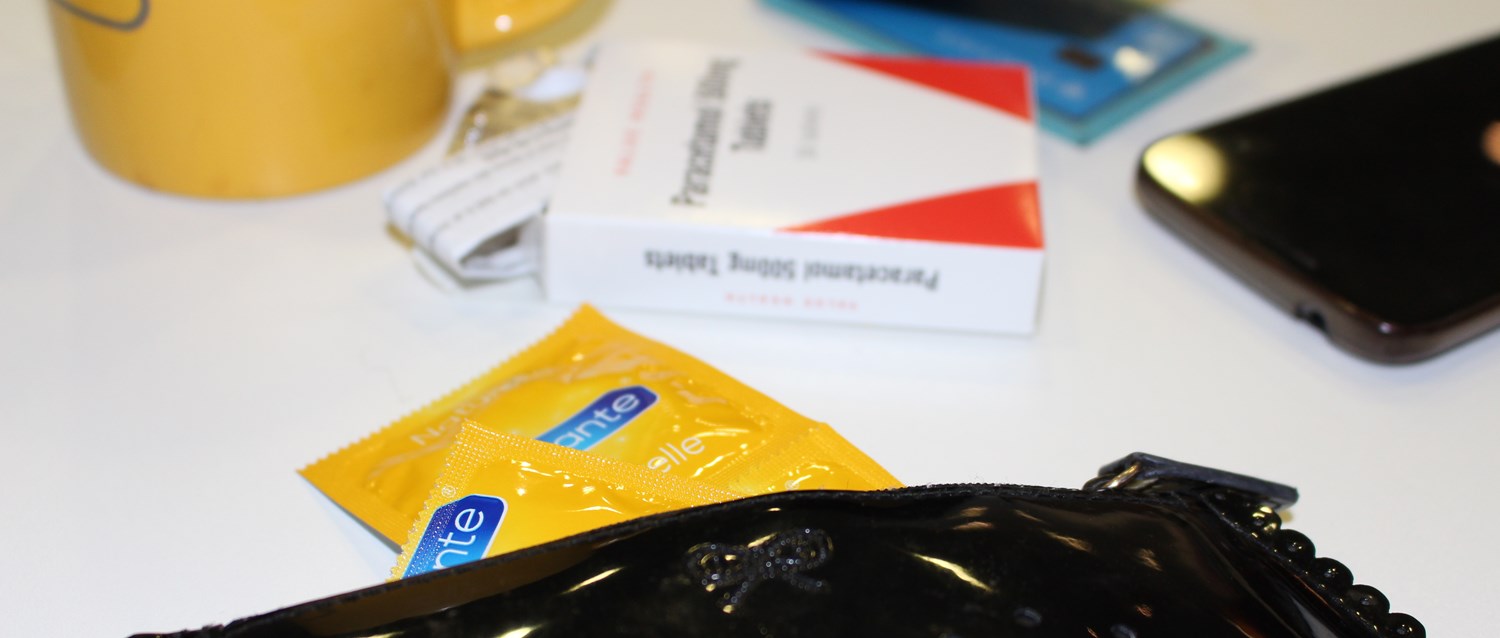
Sexual health
Which types of condoms are best for preventing pregnancy?
There are many different condoms to choose from, in a variety of colours, shapes and sizes. A condom helps to prevent sexually transmitted infections (STIs) and, when used correctly, helps protects against pregnancy 98% of the time. But the figures are often not as good in practice because condoms aren't always used correctly.
by Victoria Raw
About the authorView full bio
Authored by

Sally Turner
Freelance Journalist
BA Media Production
Sally Turner is a writer and broadcaster specialising in sexual health and women’s issues.
About the reviewerView full bio

Dr Sarah Jarvis
Clinical Consultant
MA (Cantab), BM, BCh (Oxon), DRCOG, FRCGP, MBE
After training in medicine at Cambridge and Oxford, Dr Sarah Jarvis MBE became a GP.
Article history
Article also available in English, German, Spanish, French, Italian, Portuguese, Hindi, Hebrew, Arabic, and Swedish.
9 Jan 2019 | Originally published
Authored by:
Sally TurnerPeer reviewed by
Dr Sarah Jarvis
Join the conversation
Share your thoughts or experiences with others in our patient communities.

Ask, share, connect.
Browse discussions, ask questions, and share experiences across hundreds of health topics.

Feeling unwell?
Assess your symptoms online for free
Sign up to the Patient newsletter
Your weekly dose of clear, trustworthy health advice - written to help you feel informed, confident and in control.
By subscribing you accept our Privacy Policy. You can unsubscribe at any time. We never sell your data.