Scientists develop sperm separation method for sex selection
Peer reviewed by Natalie HealeyAuthored by Milly EvansOriginally published 14 Aug 2019
Meets Patient’s editorial guidelines
- DownloadDownload
- Share
- Language
- Discussion
- Audio Version
- Add to preferred sources on Google
Researchers have developed a reversible chemical treatment to separate X and Y sperm in order to choose the sex of offspring.
The research, published in PLOS Biology, found that the simple, reversible chemical treatment could dramatically alter the 50:50 male and female offspring ratio so that sex selection would be possible. The study was carried out on mice but is likely widely applicable to other mammals too.
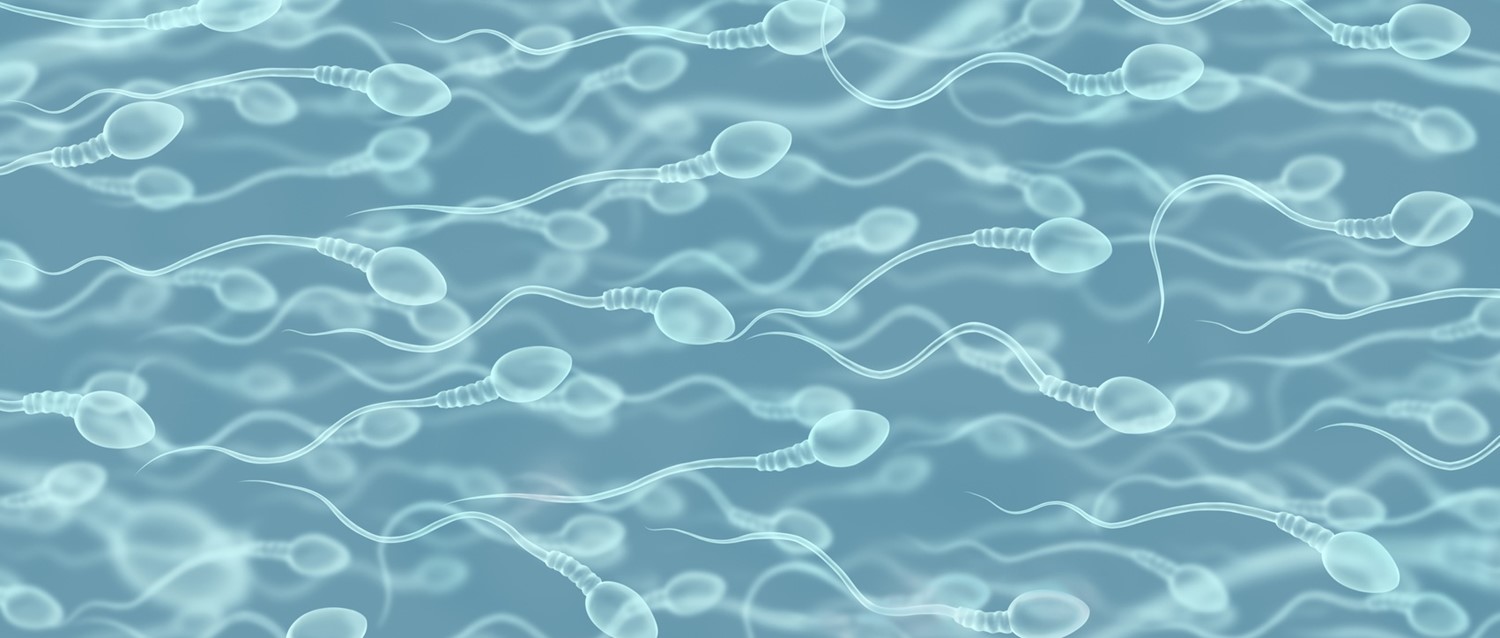
Most cells from male mammals contain both an X and Y chromosome. However, during the development of sperm, the X and Y chromosomes are split into different cells so that a sperm cell will carry one or the other. Sperm carrying an X chromosome will produce daughters and those carrying a Y chromosome will develop into sons.
Researchers were able to distinguish between the two types of sperm because of the difference in gene expression. The Y chromosome carries few genes whereas the X chromosome carries many. They found that almost 500 genes are only active in X-bearing sperm, including a pair of receptors called Toll-like receptor 7 and 8 (TLR7/8) which were used in the experiment.
The researchers treated mouse sperm with a chemical which bound to the receptors and slowed sperm movement, without affecting their ability to fertilise. The procedure was fully reversed by removing the chemical.
Using in vitro fertilisation (IVF) with the fastest swimmers (the Y chromosome sperm) resulted in mice litters which were 90% male. Using the slower swimmers (those carrying the X chromosome) resulted in litters which were 81% female.
Thus far, no markers specific to X- or Y-sperm have been found, according to Dr James Turner, leader of the Sex Chromosome Biology lab at the Francis Crick Institute.
"The discovery of a protein that marks only X-sperm is really surprising, so the top priority will be to reproduce this finding, and to understand why this protein proves the exception to the rule."
Compared to other sex selection procedures, this method is far cheaper, simpler and less risky. It could greatly simplify the process of sex selection for IVF or artificial insemination. Sex selection in humans is illegal in the UK.
Co-author of the research at Hiroshima University, Japan, Masayuki Shimada, acknowledged that, despite its usefulness in agriculture, sex selection is a still widely debated and contested subject in humans. "The differential expression of receptor genes by the two sex chromosomes provides the basis for a novel and potentially highly useful method for separating X and Y sperm and we have already succeeded in the selective production of male or female in cattle and pigs by this method," he explained. "Nonetheless, use of this method in human reproductive technology is speculative at the moment, and involves significant ethical issues unaffected by the utility of this new technique."
"This paper is very interesting because it highlights inherent physiological differences between X and Y chromosome bearing sperm in the laboratory," said Professor Allan Pacey, Professor of Andrology at the University of Sheffield.
"However, to date, the experiments have only been performed on the sperm from laboratory mice and we don't know if this effect would be seen in the sperm from other animals, such as cattle (where producing more females is important for dairy herds) or in humans where would-be parents may desire a child of a specific sex (although that is currently unlawful in the UK). However, the data does suggest that sperm are far more complex cells than we've previously been aware of and that we still have a lot more to learn about them."
This study was published in PLOS Biology.
Patient picks for Fertility
Sexual health
Why is egg freezing on the rise and is it safe?
In the last decade, the number of women choosing to freeze their eggs has increased tenfold. Egg freezing can offer a great opportunity, but it isn't a fail-safe insurance policy against age-related infertility. To help women decide whether this treatment is right for them and their bodies, they need clarity around egg freezing risks, success rates, and other physical, emotional, and financial factors.
by Amberley Davis

Sexual health
How an underactive thyroid affects fertility
Most people would be forgiven for assuming that a woman's ability to fall pregnant is determined by what goes on in her reproductive organs. But there’s an important group of hormones that have a far greater influence on fertility than they're given credit for. We should be looking for clues not down below, but in the neck - at the thyroid. This small, butterfly-shaped gland that sits just behind the Adam's apple is important for female reproduction, both before conception and throughout pregnancy.
by Allie Anderson
About the authorView full bio

Milly Evans
Editor
Milly writes on a range of health topics, with a particular interest in health inequality and sexual health.
About the reviewerView full bio

Natalie Healey
Freelance journalist
BSc (Hons) Biomedical Science
She is a London-based health journalist who has been writing about science and medicine for several years. She is the former head of editorial at Patient.
Article history
Article also available in English, German, Spanish, French, Italian, Portuguese, Hindi, Hebrew, Arabic, and Swedish.
14 Aug 2019 | Originally published
Authored by:
Milly EvansPeer reviewed by
Natalie Healey
Join the conversation
Share your thoughts or experiences with others in our patient communities.

Ask, share, connect.
Browse discussions, ask questions, and share experiences across hundreds of health topics.

Feeling unwell?
Assess your symptoms online for free
Sign up to the Patient newsletter
Your weekly dose of clear, trustworthy health advice - written to help you feel informed, confident and in control.
By subscribing you accept our Privacy Policy. You can unsubscribe at any time. We never sell your data.
More in sexual health
- Does smoking affect your sex life?
- Does testicular cancer affect your fertility?
- Does your ethnicity influence your fertility success?
- How quickly do different STIs spread?
- How to prevent premature ejaculation
- How your lifestyle may be a cause of low sperm count
- Is oral sex less risky than intercourse?
- Junk food diet linked to low sperm count
- Morning after pill myths debunked
- Preparing for your smear test as a survivor of sexual violence
- Protecting your mental health during fertility treatment
- Scientists identify a mechanism to 'neutralise' HIV
- Simple ways to help prevent vaginal thrush
- Teenage sex education: the best digital resources for your child
- The best way to treat a herpes outbreak
- Video: How much does PCOS affect fertility?
- What to do if you think you have an STI
- What to expect when you take the morning after pill
- When will I become fertile again after coming off contraception?
- Which medications can affect your contraception?