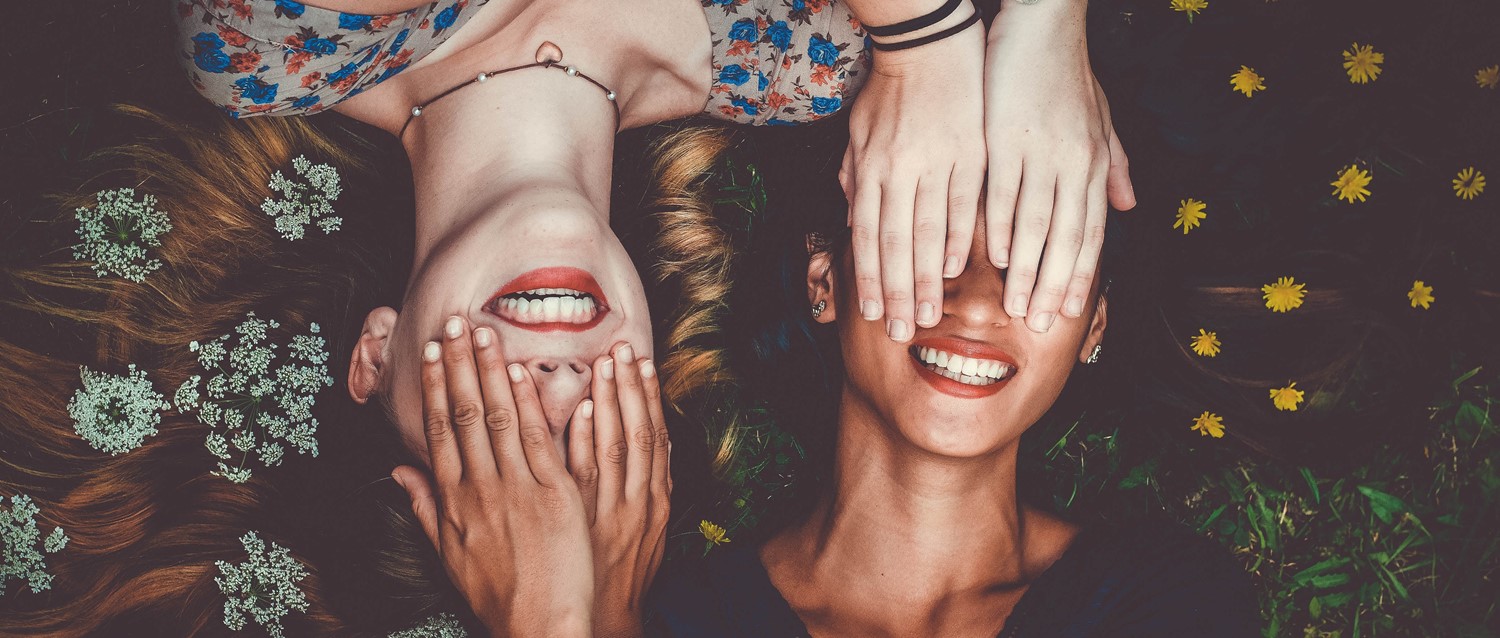
A clareamento dental é seguro?
Revisado por Dr Krishna Vakharia, MRCGPÚltima atualização por Victoria RawÚltima atualização 24 May 2024
Atende aos diretrizes editoriais
- BaixarBaixar
- Compartilhar
- Language
- Discussão
- Versão em Áudio
- Adicionar às fontes preferidas no Google
Quando se trata dos nossos dentes, muitos de nós nos sentimos inseguros com nossos dentes que não são tão brancos. Se você está procurando um sorriso mais brilhante, pode estar explorando opções de clareamento dental. Mas há algo que devemos saber sobre a segurança do clareamento dental?
What is teeth whitening?
The rise of celebrities and social media stars with 'perfect' smiles combined with the increasing accessibility of whitening products have led to a boom in teeth whitening. Where dazzlingly white teeth were once limited to those rich enough to afford the procedure, you can now find an array of teeth whitening toothpastes, strips and kits in most supermarkets and pharmacies.
Why are my teeth yellow?
If the colour of your teeth is causing you distress, don't worry - it isn't an indicator of how healthy your teeth are.
"Having discoloured or yellow teeth doesn't mean you have an unhealthy smile," says Dr Brijesh Patel, dentist at Bupa Dental Care. "Teeth can change colour if we're unwell, as we age and the enamel wears away or through staining from the food and drink we consume. Similarly, having pearly white teeth doesn't mean you don't have issues such as holes in your teeth (cavities) or doença gengival."
As the outer surface of our teeth (enamel) wears away, the tissue which makes up most of our teeth (dentine), can start to show through. But even our genetics can impact the colour of our teeth.
"Café, tea, wine and fumar are the main causes of stains," explains Patel. "Keep them to a minimum to stop your teeth becoming stained and remember to visit your dentist or hygienist for regular, professional cleans to help reduce staining."
Who can do teeth whitening?
The safest and most effective option for whiter teeth is professional teeth whitening, carried out by a qualified dental professional. This is the most expensive option, but will offer the greatest, most long-lasting results. "The cost of teeth whitening treatments varies depending on many factors, including the type of treatment, the clinician, their experience and the location," says Patel.
What are the side effects of teeth whitening?
Professional teeth whitening must be carried out by someone who is just that - a professional. Having your teeth whitened by someone without dental expertise can lead to health complications.
"Teeth whitening is a form of dentistry and should only be carried out by qualified and registered dental professionals - something a lot of people are unaware of. The whitening gels used by dental professionals are regulated, prescription-only materials," he explains. "Teeth whitening carried out by unqualified staff not only jeopardises your oral health, but is illegal."
Whilst it might seem cheaper to book teeth whitening at your local beauty salon, the dentist bills to fix the damage will undoubtedly be more expensive than getting them done professionally in the first place. It's against the law for non-registered professionals to offer teeth whitening.
"Materials used by some non-dental professionals illegally for teeth whitening can cause many complications, including sensitivity, swelling of the lips and tongue and burns to the mouth and gums, leaving people in a lot of pain and in some instances causing damage to the surface of the teeth," says Patel.
You can check whether the person carrying out your teeth whitening is registered, using the General Dental Council register.
Exploring your options
Even in professional hands there is a variety of options. Dentists themselves may carry out your teeth whitening or they may prescribe you a professional whitening kit to take home.
"Home whitening prescribed by a dental professional is as effective as in-chair whitening carried out in the dental practice," says Patel. "It depends on the patient's preference. Some people like the instant result from in-chair whitening, whilst others prefer to whiten at home as they feel more in control of the end result." At-home whitening is generally the cheaper of the two options.
For those opting for in-chair whitening, you can usually expect for your teeth to become several shades lighter during the appointment. "On average most people can expect to see results for six months. I'd recommend topping up with home teeth whitening to keep the results lasting longer."
Can anyone have their teeth whitened?
Teeth whitening isn't for everybody. It's really important to get a check-up before going to your appointment, to make sure that your teeth are in good shape and to discuss anything that might exclude you from whitening. "People with untreated cavities in their teeth, gum problems (periodontitis), or sensitive teeth should have these issues resolved before treatment," says Patel. "Anyone with an allergy to certain peroxides should avoid teeth whitening, as should pregnant women and breastfeeding mums."
It's good to be aware of the realistic outcomes of whitening. It's not always possible to achieve the desired shade and occasionally you may see uneven patches of whiteness.
"Existing tooth-coloured fillings, crowns, and veneers won't respond to the bleaching process, so people need to discuss this with their dentist and work with them to achieve the results they want," he explains.
Over-the-counter whitening
At-home whitening kits have become increasingly popular and effective. Most larger pharmacies and supermarkets now stock a range of options allowing you to whiten your teeth at home for a low price.
"There are many over-the-counter teeth whitening products available on the high street which are not illegal to buy. However, European regulations state these can only contain up to 0.1% of whitening agent (hydrogen peroxide) which is too low to have any noticeable effect on the colour of your teeth," says Patel.
Whilst they won't be as effective as professional teeth whitening, these over-the-counter products are safe when used as instructed. There's also a chance that since this type of whitening isn't carried out by a professional, whitening substances may come into contact with gums or cause damage or sensitivity.
However, there are serious risks involved in buying unregulated products in that you may not know for certain the ingredients or concentration of the product. Lots of fake products claim to offer miraculous results, but these aren't usually real and could cause major damage.
Whitening toothpastes
Brushing your teeth twice daily is an essential part of maintaining good oral hygiene. Many of us have now swapped our regular toothpaste for one that promises whiter teeth - but do they work?
"Regular, non-whitening toothpastes are designed to help remove some surface stains as they clean teeth and improve the health of your mouth," explains Patel. "Whitening toothpastes help make your smile brighter by removing even more surface stains. These toothpastes typically contain more abrasive ingredients, such as silica, which scrub the surface of the teeth."
Most whitening toothpastes shouldn't cause you any problems. However, charcoal toothpastes have become an increasingly popular trend as a natural 'alternative' to traditional whitening toothpastes. But they could actually do more harm than good. Charcoal can cause the enamel to erode, exposing yellow dentine tissue, increasing sensitivity and making teeth more susceptible to decay.
DIY teeth whitening
If you're looking for DIY methods of teeth whitening - stop! A quick search on Pinterest brings up all kinds of suggestions for sparkling white teeth - baking soda, lemon, hydrogen peroxide, rubbing teeth with the inside of a banana peel... It goes without saying that these are useless and sometimes dangerous alternatives.
"Social media can be a powerful source for both education and connection. But when it encourages quick-fix, simple term solutions to appeal to the masses, it sets people up for disappointment by promoting unrealistic and impossible outcomes," says Patel.
In essence, there is no evidence that these methods are safe or effective. Your best bet for whiter teeth is to seek professional advice, he continues.
"As a dentist, my advice to people is that there is no substitute for a proper oral healthcare routine which involves brushing twice a day with a fluoride toothpaste, flossing, and regular check-ups with your dentist."
Escolhas do paciente para Cuidados dentários
Cuidados orais e dentários
Desigualdade dentária: o que é e por que existe?
Qualquer pessoa que já sofreu de dor de dente ou teve que suportar a dor (e o custo) de uma obturação sabe que a cárie dentária pode ser um problema sério. Além disso, ela é quase totalmente evitável. Mas no Reino Unido — e no mundo todo — crianças de áreas mais desfavorecidas têm mais do que o dobro de chances de sofrer de cárie dentária.
por Gillian Harvey

Cuidados orais e dentários
Como proteger os dentes do seu filho
As crianças de hoje estão cada vez mais tendo que remover vários dentes cariados, de acordo com dados de gastos do NHS recentemente divulgados. É uma situação preocupante. Embora o acesso aos dentistas tenha sido considerado parcialmente culpado, a maioria das autoridades acredita que a explosão do teor de açúcar nos alimentos e bebidas é o principal fator. É necessário tomar medidas urgentes para salvar os dentes das nossas crianças.
por Dr. Laurence Knott
Sobre o autorVer biografia completa

Milly Evans
Editora
Milly escreve sobre uma variedade de tópicos de saúde, com um interesse particular em desigualdade na saúde e saúde sexual.
Sobre o revisorVer biografia completa

Dr Krishna Vakharia, MRCGP
Diretor Médico de Saúde, Optum UK
MBChB, MRCGP(2013), BMedSci (hons), DFSRH, DRCOG, PGDipDerm (Distn)
Dr. Krishna Vakharia é uma médica de clínica geral do NHS. Ela também é examinadora regular do Diploma de Pós-Graduação em Dermatologia Prática na Universidade de Cardiff, além de ser a Diretora Médica de Saúde na Optum UK.
Histórico do artigo
As informações nesta página são revisadas por pares por clínicos qualificados.
Artigo também disponível em Inglês, Alemão, Espanhol, Francês, Italiano, Português, Hindi, Hebraico, Árabe, e Sueco.
Próxima revisão prevista para: 23 de maio de 2027
24 May 2024 | Última versão
8 Jan 2020 | Publicado originalmente
Escrito por:
Milly Evans

Pergunte, compartilhe, conecte-se.
Navegue por discussões, faça perguntas e compartilhe experiências em centenas de tópicos de saúde.

Sentindo-se mal?
Avalie seus sintomas online gratuitamente
Inscreva-se no boletim informativo do Patient
Sua dose semanal de conselhos de saúde claros e confiáveis - escritos para ajudá-lo a se sentir informado, confiante e no controle.
Ao se inscrever, você aceita nossos Política de Privacidade. Você pode cancelar a inscrição a qualquer momento. Nunca vendemos seus dados.
Mais em cuidados orais e dentários
- Os exercícios faciais são bons para o sono, fala e saúde bucal?
- Desigualdade dentária: o que é e por que existe?
- Como escovar e cuidar dos dentes do seu filho
- Como lidar com dentes sensíveis
- Como superar o medo do dentista
- Como proteger os dentes do seu filho
- Como identificar os sinais de um dente morto
- AtualizadoComo identificar os sinais de câncer bucal
- Cientistas podem ter encontrado uma maneira de regenerar o esmalte dentário
- Você deve limpar sua língua todos os dias?
- Fatos surpreendentes que todos deveriam saber sobre herpes labial
- Os melhores lanches para dentes saudáveis
- O guia definitivo para usar fio dental
- Coisas que você pode não saber sobre displasia cleidocraniana
- Sinais de alerta de que você precisa ir ao dentista
- O que causa coceira no céu da boca?
- O que causa úlceras bucais e como tratá-las
- O que fazer quando sentir uma afta surgindo
- O que seus dentes dizem sobre sua saúde
- O que está causando seu hálito matinal?