Where does a fear of vaccines come from?
Peer reviewed by Dr Sarah JarvisAuthored by Allie AndersonOriginally published 17 Dec 2020
Meets Patient’s editorial guidelines
- DownloadDownload
- Share
- Language
- Discussion
- Audio Version
- Add to preferred sources on Google
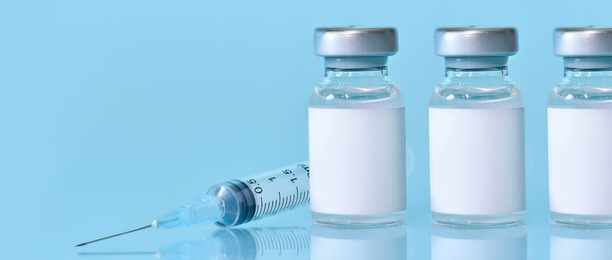
In places where successful vaccination programmes have been carried out, we no longer see as many people dying from diseases like polio or measles. With a vaccine now available for COVID-19, it's important that as many people as possible receive this safe and effective vaccine. So where does vaccine fear come from, and how can we help people get through it?
Mental health support for adults and children
Online CBT and psychological therapy for adults and children aged 8–17. Onebright’s accredited clinicians support people experiencing anxiety, depression and other emotional challenges.
Feature illustrated by Amy Leonard.
Back in July, when a COVID-19 vaccine seemed far off, a YouGov poll revealed that nearly one third of people said they would probably or definitely refuse to have it, should one be developed.
Fast forward four months and the public is apparently now more receptive. The proportion of people who wouldn't have the jab has fallen to one in five and, positively, more than two thirds now say they would have it.
Although encouraging, that's still a long way off the up-to 90% of the population who, according to scientists, would need to be immunised for it to be effective at stopping COVID-19 in its tracks by generating so-called 'herd immunity'.
So, what's behind this apprehension and how can it be tackled to keep people safe from dangerous diseases like coronavirus?
Nobody enjoys having a blood test or an injection, but for some people, the thought of a needle puncturing their skin can send shivers down the spine. In fact, it's thought that between 3.5 and 10% of the population suffer from trypanophobia - an extreme fear and avoidance of injections or having blood taken.
Learning from experience
Marie Brown from Kent knows first-hand the impact a fear of needles can have on your life. Former globetrotter Marie used to plan her far-flung travels around her fear.
"I used to be terrified of vaccines," she says. "I've been all over the place, travelling around Asia, South Africa and Europe, but whether I would need vaccinations was a strong influencing factor when I was deciding where to go."
Now aged 49, Marie can't pinpoint a specific incident that could have triggered her fear, but recalls being apprehensive about having immunisations at school. "The first vaccination I can remember having was my BCG at 11 or 12 years old. I was definitely fearful," she recalls. "My memory is of my classmates screaming as they had it done, and a fair amount of hysteria. So my fear possibly could have been caused by other people's anxiety."
According to psychotherapist Gin Lalli, this is fairly common; phobias often develop from learned behaviour. "A needle phobia does not have to have had a traumatic needle association, although they often do," she explains. "When we are highly stressed, we go into survival mode and that means we revert to trying to keep ourselves safe by staying away from the perceived danger - in this case, needles.
"I explain it that we have a little filing cabinet in our brain - the hippocampus - and we refer to that for all our behaviour patterns. The first time we actively filed away the experience of getting a vaccination is really important."
If that first experience was traumatic or frightening, that becomes the blueprint for your response if and when you encounter the same experience again. So, a pattern of fear develops.
Online (mis)info
Suspicion of and myths surrounding vaccines in general are also driving mistrust about a COVID-19 jab, with the growth of the anti-vaccine movement facilitated largely by social media.
A report by the Centre for Countering Digital Hate (CCDH) found that anti-vax social media accounts have gained almost 8 million new followers since 2019. The global coronavirus pandemic and focus on a potential vaccine to stop its spread have undoubtedly brought anti-vax sentiment to the fore.
Huge swathes of the population have seen anti-vax messaging and in addition to many people believing them, these posts have put doubt into the mind of an even higher proportion.
A new report by King's College London and Ipsos MORI shows:
1 in 3 have been exposed to anti-vax messages about COVID-19 vaccination.
Almost half of 16- to 34-year-olds have seen anti-vax messages about the COVID-19 vaccine.
1 in 7 believe the COVID-19 vaccine's real purpose is to track and control the population.
1 in 11 think Bill Gates is pushing the programme in order to implant us all with microchips, although this rises to 1 in 5 among people who get a lot or a fair amount of their information from social media.
2 in 5 don't know whether the COVID-19 vaccine might cause autism in children.
3 in 10 are unsure if it will alter their DNA.
While it should go without saying that all the myths above are without the smallest basis in truth, health leaders and doctors could face a struggle to convince people to take up a vaccine when it becomes widely available.
Speed of development
Arguably, it's understandable that people are worried about the COVID-19 vaccines we're hearing so much about because they've had to be researched, developed and trialled very quickly - all under the glare of the public eye.
Dr Simon Royal is a GP at a practice in Nottingham that was involved in the trial of the Oxford vaccine. "Things have moved quickly and typically a big vaccine study like the one we've been involved with would take months of planning," he explains.
"But it has been meticulously planned and the vaccines have all been through the normal and very stringent NHS ethics and safety approvals, so people can be assured that any vaccine that becomes available is safe and effective."
How can you overcome your fears?
Whether you have a phobia of needles, or you’re concerned about possible risks associated with vaccines, the chances are there will come a time when you need to confront the problem.
Focus on the outcome
For Marie, that time came when she had difficulty conceiving and needed to undergo in vitro fertilisation (IVF) to have a baby. She describes being like a 'human pin cushion' throughout the treatment, which involves lots of blood tests and series of hormone injections.
"It wasn't easy coping with the needles, but the prize at the end was worth overcoming it," Marie comments. "I certainly don't enjoy needles now, but having gone through all that, I've learned to tolerate them and, although it's unpleasant and it can be painful, you just have to get on with it."
The trade-off, although certainly not guaranteed, was worthwhile for Marie - and she applies a similar logic to being immunised against COVID-19, which she plans to do. "It's not so much that it will benefit me, but if we need people to be vaccinated for herd immunity, then I will willingly do my bit because it will benefit society as a whole."
Gin adds that for anyone who's unsure about having the jab, for whatever reason, it's important to keep the outcome in mind. In the case of COVID-19, that is to protect yourself and others from the virus and its effects, which are particularly potent for those who are clinically extremely vulnerable.
"You need to remember why you're getting the vaccine, seek out the right information, and remain objective and rational," she comments.
Finding out more
Dr Royal suggests it's entirely normal that people will want more information about immunisation against coronavirus. "We expect people to have questions about the safety and effectiveness of vaccines. There has been a lot of publicity and sometimes it's difficult to distinguish between trustworthy reports and fake news," he says.
"Before a national programme is rolled out I expect much more information to be made available from the various agencies involved in its planning and delivery so that we can all make informed choices."
In addition, if you're in doubt, your pharmacist or practice nurse should be able to provide information about the vaccine and its pros and cons.
Calm your fears
If your issue is fear-related, there are steps you can take, too. "Try to go to your vaccination appointment after a good night's sleep, when you're feeling calm and relaxed, rather than after a stressful day at work for example, because that stress could trigger the fight or flight response," Gin says. "Take deep breaths when you're there, and explain to the person administering the vaccine that you're nervous - they should be able to help to keep you calm."
More severe fears and phobias will probably need to be addressed in consultation with a specialist therapist, who can use different techniques to support you to overcome your fear.
Patient picks for Vaccinations
Infections
Do you need to worry about side effects from vaccines?
Like all medical treatments, vaccinations carry risks as well as benefits. But with scare stories abounding on social media, should you be concerned about possible side effects?
by Abi Millar
Infections
We ask a GP what to expect after vaccinations
Vaccinations are a routine and highly effective way of protecting adults and children against an array of diseases, and complications or side effects are rare. We ask a GP for advice about what to expect after vaccinations.
by Julian Turner
Frequently asked questions
What is trypanophobia and how common is it?
Trypanophobia is an extreme fear and avoidance of injections or having blood taken. It's estimated to affect between 3.5% and 10% of the population.
How do phobias like the fear of needles typically develop?
Phobias often develop from learned behaviour. While they can stem from a traumatic experience, they don't always. Sometimes, witnessing others' anxiety or having a frightening first experience, like a vaccination, can create a 'blueprint' for fear in the brain, leading to a pattern of avoidance.
How can I prepare for a vaccination if I'm nervous?
To help manage nervousness, try to ensure you get a good night's sleep before your appointment so you're feeling calm and relaxed. Avoid going after a stressful day. When you're there, take deep breaths and let the person giving the vaccine know you're nervous; they should be able to help keep you calm.
Where can I get reliable information about the COVID-19 vaccine?
You can expect more detailed information to be released by various agencies involved in the vaccine's planning and delivery before a national programme rolls out. Additionally, your local pharmacist or practice nurse should be able to provide information about the vaccine, including its pros and cons.
What if my fear of needles is very severe?
If your fear or phobia is severe, it may be beneficial to seek help from a specialist therapist. They can use different techniques to support you in overcoming your fear.
About the authorView full bio
Authored by

Allie Anderson
Freelance Journalist
NCTJ
Allie Anderson is an NCTJ-qualified journalist with many years of experience writing and editing for a range of publishers.
About the reviewerView full bio

Dr Sarah Jarvis
Clinical Consultant
MA (Cantab), BM, BCh (Oxon), DRCOG, FRCGP, MBE
After training in medicine at Cambridge and Oxford, Dr Sarah Jarvis MBE became a GP.
Article history
Article also available in English, German, Spanish, French, Italian, Portuguese, Hindi, Hebrew, Arabic, and Swedish.
17 Dec 2020 | Originally published
Authored by:
Allie AndersonPeer reviewed by
Dr Sarah Jarvis
Join the conversation
Share your thoughts or experiences with others in our patient communities.

Ask, share, connect.
Browse discussions, ask questions, and share experiences across hundreds of health topics.

Feeling unwell?
Assess your symptoms online for free
Sign up to the Patient newsletter
Your weekly dose of clear, trustworthy health advice - written to help you feel informed, confident and in control.
By subscribing you accept our Privacy Policy. You can unsubscribe at any time. We never sell your data.