Perguntamos a um médico o que esperar após as vacinações
Revisado por Dr Sarah JarvisÚltima atualização por Julian TurnerÚltima atualização 14 Mar 2019
Atende aos diretrizes editoriais
- BaixarBaixar
- Compartilhar
- Language
- Discussão
- Versão em Áudio
- Adicionar às fontes preferidas no Google
As vacinas são uma maneira rotineira e altamente eficaz de proteger adultos e crianças contra uma série de doenças, e complicações ou efeitos colaterais são raros. Perguntamos a um médico de família sobre o que esperar após as vacinações.
Vacinações act as curious punctuation marks along the timeline of our lives, from the routine baby jabs that begin at eight weeks, through to pre-school (three years and four months) and teenage (14 years) boosters, optional jabs that protect against chickenpox, tuberculose, flu and hepatitis B, and specific vaccinations - to protect against raiva, for example - taken prior to travelling abroad.
They all work by introducing a small amount of dead/inactive/weakened bacterium or virus, or inactivated toxins, into the body. Sometimes the toxin or poison made by the bacterium or virus is given to the body. These methods are known as immunisation by a vaccine as opposed to immunity you get from your mother, for example.
The vaccine kick-starts the body's immune system and our white blood cells start working, helping the body make antibodies that act like soldiers to fight infections from a specific bacterium or virus.
Potential vaccination side effects in adults
In the majority of cases, side effects from vaccinations are mild and short-lived. Myalgia (muscle pain), headache, low-grade fever, tiredness and soreness at the injection site are not uncommon during the first five to ten days following the injection, and a small red swelling may also appear around the injection site.
Less common are reactions to the ingredients that carry the vaccine, such as egg protein or gelatine, so always be sure tell your nurse beforehand about any allergies before being vaccinated.
On very rare occasions, a severe allergic (anaphylactic) reaction may occur within a few minutes of the vaccination.
Are babies and young children more vulnerable to vaccination side effects?
In babies, fever is very common following the MenB (meningitis) vaccine, which is given, along with other routine injections, at two and four months, and indicates that the baby's body is responding to the vaccine (although not getting a fever doesn't mean it hasn't worked).
The vaccination nurse will give parents information about how and when to administer paracetamol to reduce the risk of fever, irritability and general discomfort, including pain at the site of the injection.
A vacina MMR is made up of three different vaccines (measles, mumps and rubella) and each can cause reactions at different times. After six to ten days, the measles vaccine starts to work and may cause a fever, a measles-like rash, and loss of appetite.
Two to three weeks after the injection, the mumps vaccine may cause symptoms similar to, but milder than, mumps infection (fever and swollen glands) in some children. The rubella vaccine can cause a brief rash and possibly a slightly raised temperature, most commonly around 12 to 14 days after vaccination: a rash may also rarely occur up to six weeks later.
"No vaccine nowadays is likely to cause severe side effects," says GP Dr Clare Morrison. "In my experience, babies do sometimes develop some mild symptoms a week to 11 days after the MMR vaccine, including fever, loss of appetite, and sometimes a rash; however, this isn't usually anything to worry about.
"Following a study in 1998, there was some controversy about whether the MMR vaccine could cause autism and bowel disease. However, this theory has since been completely disproved and discredited, and subsequent studies over several years have found no link whatsoever."
Should some vaccinations be avoided?
It is important that the vaccine chosen by the doctor is suitable for the individual patient.
Some vaccines can be contra-indicated (cannot be given) to certain individuals for medical reasons. Precautions should also be taken with some vaccines for certain risk groups such as pregnant women, individuals aged 60 and older, or those with teste de HIV or a weakened immune system.
Particular care needs to be taken with 'live vaccines' - those consisting of living but 'attenuated' micro-organisms, which promote immunity without being strong enough to cause disease.
"Those with weakened immune systems, such as patients on immune suppressing medication, are generally advised to avoid live vaccines,” advises Morrison. "Patients who have had bad reactions before are more likely to get side effects again, and in cases where an individual has displayed a true allergy to a certain vaccine - which is very rare - the vaccine should be avoided in future.
"Provided guidelines are followed, there should not be any long-term negative effects, even in the very young or very elderly."
What to do after a vaccination
If you have mild vaccination side effects , there are practical steps you can take to help you feel better, including drinking lots of fluids and/or applying a cool, wet washcloth on places where you are sore.
If your arm is sensitive after getting the shot, try moving it around to ease the pain and swelling; if you feel you need it, you can also take a pain reliever (children under 16 should never take aspirin).
"It's also absolutely fine to exercise after vaccination, provided you feel well," adds Morrison. "However, do avoid over-using or knocking the vaccinated arm, in case this makes it sorer.
"If the side effects seem severe and unusual, it's best to seek medical attention. Do so urgently if there is marked swelling, falta de ar, wheezing, increased heart rate, or collapse."
Escolhas do paciente para Vacinações
Infecções
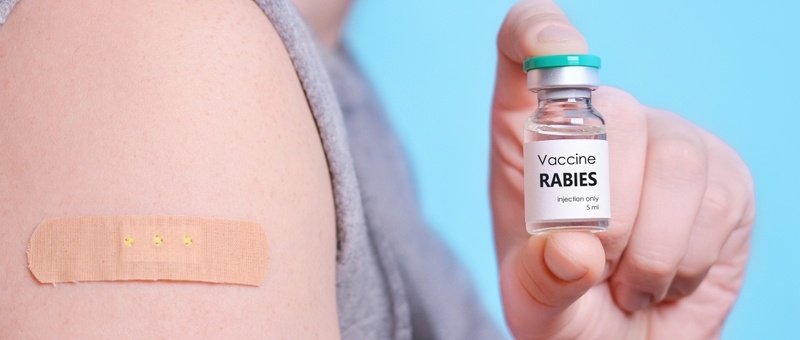
Tudo o que você precisa saber sobre a vacina contra a raiva
Se você estiver viajando para o exterior, vacinas de viagem contra algumas doenças são obrigatórias. No entanto, há uma doença que geralmente é fatal sem tratamento imediato e para a qual a vacinação pré-viagem não é obrigatória: raiva.
por Glynis Kozma

Infecções
Mitos sobre vacinação que você precisa parar de acreditar
Apesar de a imunização ser uma das medidas de saúde pública mais eficazes já introduzidas - atualmente prevenindo 2-3 milhões de mortes por ano - ainda há um número crescente de pais que hesitam em vacinar seus filhos. Analisamos os equívocos que os pais devem parar de acreditar.
por Karen Gordon
Perguntas frequentes
What is the difference between immunisation from a vaccine and immunity passed from a mother?
Immunisation through a vaccine works by introducing a small amount of dead, inactive, or weakened bacterium/virus, or inactivated toxins, into the body. This kick-starts the immune system to make antibodies. Immunity from a mother, however, is a different type of immunity, not induced by vaccines.
Are there any less common side effects to be aware of from vaccinations?
Less common reactions can occur due to ingredients that carry the vaccine, such as egg protein or gelatine. It's important to inform your nurse about any allergies before your vaccination. In very rare instances, a severe allergic reaction, known as anaphylaxis, might happen within minutes of receiving the vaccine.
What are 'live vaccines' and who should be cautious about them?
Live vaccines contain living but weakened micro-organisms that promote immunity without causing the disease. Individuals with weakened immune systems, such as those on immune-suppressing medication, are generally advised to avoid live vaccines. Careful consideration is also needed for risk groups like pregnant women, individuals aged 60 and older, or those with HIV.
Are there any long-term negative effects from vaccinations to be concerned about, even for very young or very old individuals?
No, provided that guidelines are followed, there should not be any long-term negative effects from vaccinations, even in very young children or elderly individuals.
When should I seek medical attention for vaccination side effects?
You should seek medical attention urgently if your side effects seem severe and unusual. This includes symptoms like marked swelling, shortness of breath, wheezing, an increased heart rate, or collapse.
Sobre o autorVer biografia completa

Julian Turner
Jornalista Freelancer
Julian Turner is a freelance journalist and Editor of Compelo Energy.
Sobre o revisorVer biografia completa

Dra. Sarah Jarvis
Consultora Clínica
MA (Cantab), BM, BCh (Oxon), DRCOG, FRCGP, MBE
Após se formar em medicina em Cambridge e Oxford, a Dra. Sarah Jarvis MBE tornou-se médica de clínica geral.
Histórico do artigo
As informações nesta página são revisadas por pares por clínicos qualificados.
Artigo também disponível em Inglês, Alemão, Espanhol, Francês, Italiano, Português, Hindi, Hebraico, Árabe, e Sueco.
14 Mar 2019 | Última versão

Pergunte, compartilhe, conecte-se.
Navegue por discussões, faça perguntas e compartilhe experiências em centenas de tópicos de saúde.

Sentindo-se mal?
Avalie seus sintomas online gratuitamente
Inscreva-se no boletim informativo do Patient
Sua dose semanal de conselhos de saúde claros e confiáveis - escritos para ajudá-lo a se sentir informado, confiante e no controle.
Ao se inscrever, você aceita nossos Política de Privacidade. Você pode cancelar a inscrição a qualquer momento. Nunca vendemos seus dados.
Mais em infecções
- 9 maneiras de se livrar de uma infecção urinária
- Posso tomar a vacina contra a gripe se ...?
- A vacina contra a gripe torna você imune à gripe?
- Tudo o que você precisa saber sobre a vacina contra a raiva
- Com que rapidez diferentes ISTs se espalham?
- Como evitar piolhos no retorno às aulas
- Como se proteger contra o herpes zoster
- Como conversar com alguém que está hesitante em relação às vacinas
- Meningitis symptoms students should know: recognising the warning signs early
- Vacinação privada contra MenB: quem pode considerar e como funciona
- Os comprimidos de prevenção do HIV devem estar disponíveis no NHS?
- Você e sua família devem tomar a vacina contra meningite?
- Formas simples de ajudar a prevenir a candidíase vaginal
- Informar parceiros atuais e anteriores sobre sua IST
- Vídeo: Como os piolhos se espalham?
- AtualizadoQuais doenças infantis os adultos podem contrair?
- O que é uma infecção urinária e como você a contrai?
- Como é viver com HIV hoje
- Por que as crianças precisam da vacina contra a gripe?
- Por que algumas pessoas pegam resfriados piores do que outras?