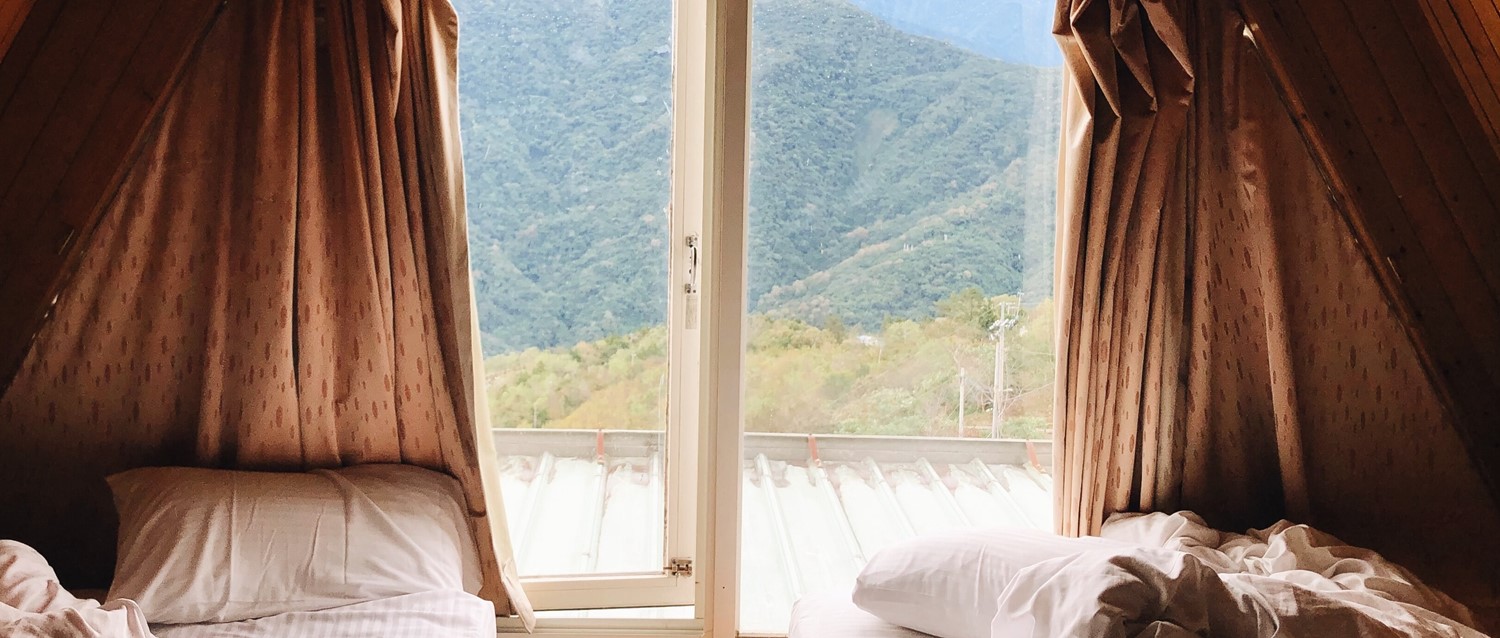
Dicas para dormir melhor no verão
Revisado por Dr Sarah JarvisAutoria de Abi MillarPublicado originalmente 22 Jul 2020
Atende aos diretrizes editoriais
- BaixarBaixar
- Compartilhar
- Language
- Discussão
- Ask Patient
- Versão em Áudio
- Adicionar às fontes preferidas no Google
Noites iluminadas, quartos quentes e altos níveis de pólen podem atrapalhar seu sono no verão. Aqui estão algumas dicas para dormir melhor nesta época do ano.
Escolhas de vídeos para sono e insôniaBiblioteca de vídeos
One of the great pleasures of the winter months is curling up under the duvet with a hot water bottle. When it's dark and cold outside, the seasonal change can trigger an almost animalistic desire to hibernate.
The flip side of the equation is that when summer rolls round, many of us can struggle with our sleep. Lighter evenings can stop us feeling drowsy, and brighter mornings can jolt us awake earlier than we'd like. Meanwhile, hot days bring sticky nights, which can cause us to toss and turn in our beds.
As Lisa Artis, deputy CEO of The Sleep Charity, explains, regularly getting less sono than you need brings with it a whole host of possible health issues.
"This includes doença cardíaca, diabetes e acidentes vasculares cerebrais, not to mention how falta de sono affects your mood, concentration and alertness," she says. "Sleep affects our learning and problem-solving capabilities. The more REM sleep we have, the easier it is to retain things learned the day before. Problems that appear insoluble when we're tired can become clear in the morning."
She adds that, once sleep deprivation starts to mount up, people start to make mistakes and find it harder to make decisions. They also have shorter tempers and slower reflexes, and are in most respects far from their best selves.
Turn out the lights
So what should you do if you're susceptible to broken sleep in the summer? The first step is to dig down into the reasons. If you think light is the culprit, it's a good idea to keep your bedroom as dark as possible. Our brains and bodies are extremely sensitive to light, with light cues from the environment exerting a powerful influence on our body clocks.
"Light suppresses the secretion of the sleep-inducing substance melatonin," says Artis. "Invest in a blackout blind or heavy lined curtains."
For the same reason, it's wise to stay away from screens for an hour or two before bed or at the very least dim their brightness. Conversely, you should open the curtains as soon as you wake in the morning.
"Natural light, even on cloudy days, helps reset our internal body clock," says Artis. "It helps us get over feeling groggy when we have just woken up and makes us more alert. Get out into the natural light as soon as you can after waking up, and preferably around the same time every day."
Keep a cool head
The heat can also play havoc with your sleep cycle, insofar as your body temperature needs to drop slightly before you drift off. During warm weather Artis suggests keeping the curtains drawn during the day to block out direct heat, and opening windows and doors to create a draught.
"If you've got an attic, try opening the hatch. Hot air rises and this will give it somewhere to go," she says. "Get rid of the duvet and blankets and sleep with just a cotton sheet. Wear light cotton nightwear - this is actually better than wearing nothing at all, as natural fabric will absorb any perspiration."
You could also have a cool shower or bath before bedtime to lower your core body temperature, as well as drinking plenty of cold water during the evening. And if all else fails, now's the time to be a little more inventive with your cooling techniques.
"Pull out your hot water bottle, but fill it with ice cold water and have it in bed with you," suggests Artis. "Chill a pillow case in the fridge before bedtime, or try one of the new cooling pillows that are available to buy - both will help you keep a cool head!"
Avoid allergens
Another reason it can be harder to sleep in the summer is that this is allergy season. If you suffer with rinite alérgica, it's crucial to keep pollen at bay. You could do this by shutting the windows, using a pollen screen on the windows, or installing an air purifier to capture the particles and cool and circulate the air.
"Pollen grains come indoors and stick to bedding," says airborne allergens expert Max Wiseberg. "You can help reduce symptoms by frequently washing the bedding, covering the bed with a sheet that is carefully folded and stored away during the day, and turning pillows just before you get in."
He suggests taking a shower or bath before bed, to remove pollen particles from your hair and body and boost relaxation. And it's a good idea to avoid álcool antes de dormir.
"Beer, wine and spirits all contain histamine, the chemical that sets off allergy symptoms in your body," he says. "In addition to making you more sensitive to pollen, alcohol also dehydrates you, making your symptoms seem worse."
In fact, it might be wise to steer clear of that summer tipple even if allergies aren't a factor. Even though alcohol is a sedative, it can damage both the quality and quantity of your sleep.
"Our sleep tends to become fragile and light when we have a lot of alcohol in the evening. It can lead to lots of awakenings in the latter part of the night and feelings of being unrefreshed during the day," says Artis.
Some additional tips
Whatever the time of year, it's a good idea to avoid stimulants that contain cafeína, ideally eight and certainly four or five hours before bedtime, and to eat at regular times so as to strengthen your internal body clock. Exercício is important too but you need to time it right.
"Warmer weather and more socialising can lead to mealtimes being later in an evening. However, eating a heavy meal before bedtime can make it challenging to sleep at night," says Artis. In particular, it may make you prone to indigestão ou azia when you lie down.
"If you don't currently exercise it's worth looking into slowly building in a gentle exercise programme, as exercise makes sleep deeper and more refreshing. However, a few studies have shown that exercising too close to bedtime can prevent sleep so we suggest leaving a window of at least two hours before bedtime without exercise."
People should seek help and support, she says, as soon as they notice they're struggling with insônia. A good first step would be to fill in a diário do sono for two weeks, which can help you identify what it is that's keeping you awake.
"If you still need to see a GP or healthcare professional, a sleep diary proves useful as you'll then have evidence of your sleep-wake pattern, which can help with diagnosis and treatment," she says. "Terapia cognitivo-comportamental for insomnia (CBT-i) is often a successful route for dealing with sleep issues."
Whether it's stress or sunshine that's the culprit, sleep issues are a frustrating problem. But they can usually be addressed effectively with some very practical solutions.
Escolhas do paciente para sono e insônia
Vida saudável
Como dormir melhor
A insônia é muito comum - pelo menos 1 em cada 3 pessoas tem problemas para dormir. Mas mudanças simples podem fazer a diferença na sua capacidade de dormir bem. Então, como você e seu travesseiro podem se tornar amigos novamente?
por Amberley Davis
Vida saudável
Por que não consigo dormir? 12 causas comuns e o que fazer
Ter dificuldade para adormecer pode ser frustrante. Quer você fique acordado por horas, acorde repetidamente durante a noite ou se encontre completamente desperto às 3 da manhã, há muitas razões possíveis para um sono ruim. Em alguns casos, hábitos de vida como beber muita cafeína ou usar o telefone antes de dormir podem ser os culpados. Em outros, condições de saúde subjacentes ou mudanças hormonais podem afetar sua capacidade de ter uma boa noite de descanso.
por Heather Ainsworth
Sobre o autorVer biografia completa
Autoria de

Abi Millar
Jornalista Freelancer
BA (Hons), MA
Abi é uma jornalista freelance com um interesse especial em escrever sobre saúde e medicina.
Sobre o revisorVer biografia completa

Dra. Sarah Jarvis
Consultora Clínica
MA (Cantab), BM, BCh (Oxon), DRCOG, FRCGP, MBE
Após se formar em medicina em Cambridge e Oxford, a Dra. Sarah Jarvis MBE tornou-se médica de clínica geral.
Histórico do artigo
Artigo também disponível em Inglês, Alemão, Espanhol, Francês, Italiano, Português, Hindi, Hebraico, Árabe, e Sueco.
22 Jul 2020 | Publicado originalmente
Escrito por:
Abi MillarRevisado por
Dra. Sarah Jarvis
Compartilhe seus pensamentos ou experiências com outros em nosso comunidades de pacientes.
Inscreva-se no boletim informativo do Patient
Sua dose semanal de conselhos de saúde claros e confiáveis - escritos para ajudá-lo a se sentir informado, confiante e no controle.
Ao se inscrever, você aceita nossos Política de Privacidade. Você pode cancelar a inscrição a qualquer momento. Nunca vendemos seus dados.