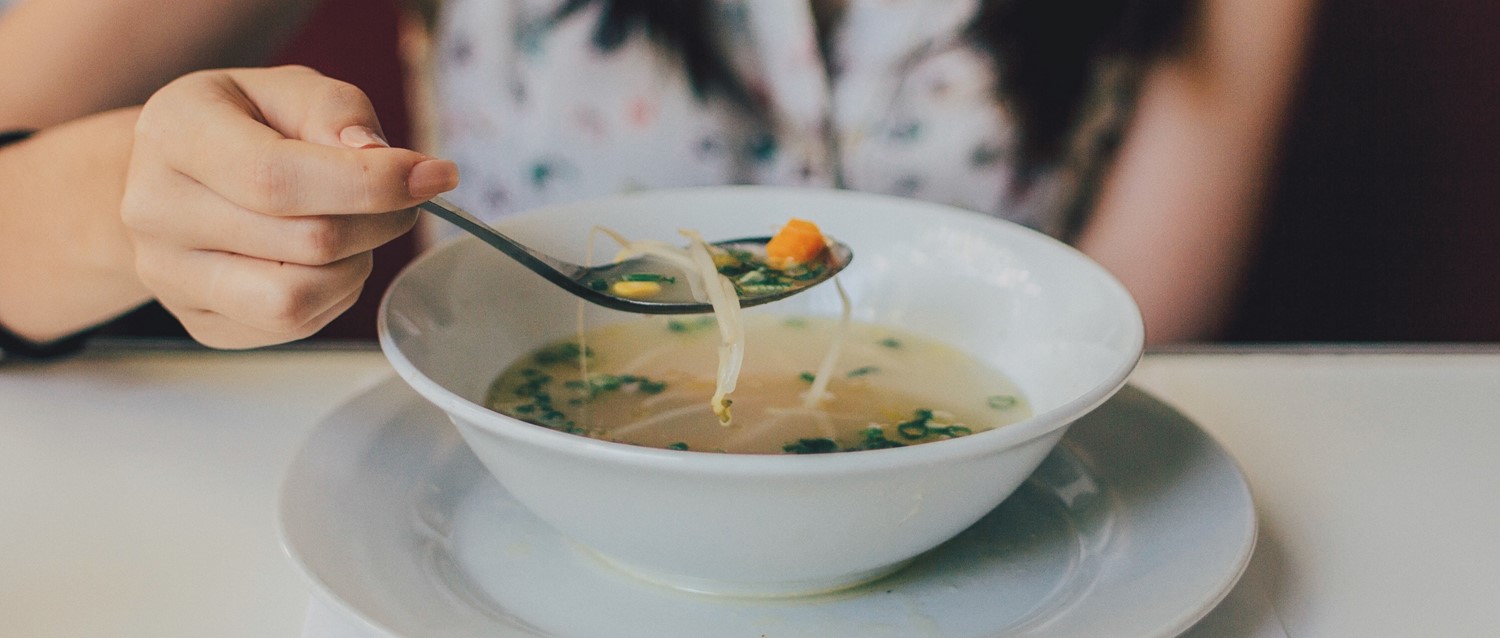
Por que dietas da moda podem na verdade levar ao ganho de peso
Revisado por Dr Sarah JarvisAutoria de Andrea DowneyPublicado originalmente 15 Oct 2019
Atende aos diretrizes editoriais
- BaixarBaixar
- Compartilhar
- Language
- Discussão
- Versão em Áudio
- Adicionar às fontes preferidas no Google
Quando se trata de perda de peso, pode ser tentador optar por uma 'solução rápida' que promete eliminar os quilos rapidamente. Mas dietas da moda não são apenas ineficazes, podem ser perigosas. A nutricionista Katherine Kimber explica por que escolher uma dieta da moda pode na verdade fazer você ganhar peso e prejudicar sua saúde.

A fad diet often promises rapid perda de peso or other health benefits like a healthier sistema imunológico or longer life. Often made popular by celebrities, these diets - such as Keto, SlimFast, Atkins, Low-Carb and diet pills - encourage weight loss through cutting out food groups or severely restricting calorie intake.
According to the NHS, the average man needs to eat 2,500 calories a day and the average woman needs 2,000. It also recommends a diet balanced with at least five servings of fruit and vegetables daily, as well as carbs, proteins and fats.
Katherine Kimber, a registered dietician and spokesperson for the Associação Dietética Britânica, says anything significantly less than that can damage our health.
"Consumers may be thinking 'there can't be any harm' in taking 'natural' pills, or cutting out groups of foods, but there really can be," she says.
"Fad diets can result in desidratação, weakened immune system, fadiga, e constipação. Specific ingredients such as fat-burning pills can be devastating."
There has been significant interest in recent years in very low-calorie diets (VLCDs) for people with type 2 diabetes. But while alguns estudos have shown marked improvements in blood glucose control with these diets, the research has involved close medical follow-up and 'behaviour modification' to address harmful long-term habits while people are restricting their intake.
Ganho de peso
Aside from the adverse effects fad dieting can have on your health, it can also make you gain weight - hardly the desired effect when you decide to try one.
That's because a fad diet is unsustainable in the long term.
"Difficulty in keeping the weight off can be due to a multitude of factors: from the discontinuation of the diet due to unsustainability, genetic conditions, and something called the set-point theory. This is the theory that every unique individual has a weight range their body likes to be at," Kimber says.
"In addition, if crash diets are repeated frequently, this constant yo-yoing of weight has been associated with more weight gain, less exercise, and higher rates of binge eating."
One of the other main problems is that if you adopt an extreme diet and then come off it once you've lost weight, you're likely to go back to your old patterns of eating - which were precisely what caused the weight gain in the first place. This is in marked contrast to more gradual changes which allow you to re-evaluate your long-term relationship with unhealthy foods and move to a healthier way of life.
Some studies have identified that up to 55% of women experience weight yo-yoing due to fad diets, Kimber explains.
"There is also some strong evidence that shows weight yo-yoing can increase visceral fat accumulation - the fat around our internal organs. This type of fat can put people at higher risk of doença cardíaca e diabetes, regardless of what the individual's weight is."
Damage to the metabolism
If that wasn't enough to put you off, fad diets can also cause lasting damage to your metabolism - your body's natural process of converting food into energy.
"There is a risk of slowing down the metabolism. While we know weight loss is possible in the short term, the body has strong physiological mechanisms to bring the weight back up," Kimber says.
"A estudo de 2016 of contestants of 'The Biggest Loser' competition identified that not only does our metabolism slow down when people diet, but it also remains suppressed when people regain the weight they lost."
Put simply, your metabolism becomes slower, meaning it doesn't burn food into energy as quickly as it used to. Therefore you're likely to gain weight faster than you did before the fad diet.
There's a dangerous aspect of causing this kind of damage to your metabolism as well. A slower metabolism puts you at greater risk of metabolic diseases like heart disease, stroke and type 2 diabetes.
Safe weight loss
You may well lose weight rapidly if you opt for a fad diet, but some of this is down to your body losing water weight, Kimber explains.
For every gram of energy your muscles store, they store three grams of water. So when you're in an energy deficit, caused by several restricting calories, your muscles lose water quickly.
But don't be tricked into thinking this means the diet is working.
"As with any fad diet that puts the body's energy balance into a deficit, we may see some initial drop in muscle mass and body fat, which can also result in us seeing a dip on the scales," Kimber says.
Instead, losing weight and keeping it off for good both need to come from behavioural changes in what we eat and how much exercício we do.
"However, not all hope needs to be lost. We know that health can be improved through behaviour change, regardless of changes in weight," Kimber adds.
"My advice would be to remove the focus from the number on the scales and to focus on what you can do to feel good and improve your health. Can you find ways of adding more fibre into your diet? Can you find ways of moving your body that are pleasurable and enjoyable?"
And most importantly, focus on eating a healthy, balanced diet. The old 'energy in, energy out' mantra is true. Eating carbs isn't bad for you; eating the occasional piece of chocolate cake also isn't bad for you; but cutting out food groups and restricting your calories to the point where you're hungry is.
Escolhas do paciente para Obesidade e perda de peso

Vida saudável
Problemas causados por estar abaixo do peso
The media are full of scare stories about how many of us are obese and how much damage excess weight does to our health. But what happens when our bodies have less fat or essential nutrients than we need for good health?
por Dra. Sarah Jarvis
Vida saudável
O que fazer se o seu peso está te deixando para baixo
Does it ever feel like you've spent most of your adult life on a diet? While you may experience initial success with many of the popular weight loss programmes, sadly, the pounds typically creep back on. This can leave you beating yourself up and feeling depressed.
por Sara Lindberg
Perguntas frequentes
What is 'set-point theory' in relation to weight loss?
Set-point theory suggests that each individual has a specific weight range their body naturally prefers to maintain. This can make it challenging to keep weight off after a diet, as the body may try to return to its 'set-point' weight.
How can 'weight yo-yoing' affect my internal organs?
Weight yo-yoing, which is the repeated loss and regain of weight, has been linked to an increase in visceral fat accumulation. Visceral fat is the fat that surrounds your internal organs, and higher levels of it can increase your risk of heart disease and diabetes, even if your overall body weight is within a healthy range.
If fad diets cause rapid weight loss, why shouldn't I try one?
While you might see rapid weight loss with a fad diet, much of this initial loss is often due to losing water weight, not body fat. When your body is in an energy deficit, your muscles quickly lose stored water. This shouldn't be mistaken for effective long-term weight loss. Also, these diets are often unsustainable and can lead to weight regain and other health issues.
What is the primary factor that causes weight regain after a fad diet?
One of the main reasons for weight regain is that after stopping an extreme diet, people often revert to their previous eating habits. These habits were what caused the weight gain originally. Sustainable weight loss and maintenance require gradual, long-term changes to eating patterns and lifestyle, rather than temporary, restrictive diets.
How can I improve my health without focusing on the numbers on the scales?
You can improve your health by focusing on positive behavioural changes rather than just the number on the scales. This could involve finding ways to add more fibre to your diet, discovering enjoyable exercise routines, and generally adopting a healthy, balanced diet. Even without significant weight reduction, these changes can lead to better health.
Sobre o autor

Andrea Downey
Sobre o revisorVer biografia completa

Dra. Sarah Jarvis
Consultora Clínica
MA (Cantab), BM, BCh (Oxon), DRCOG, FRCGP, MBE
Após se formar em medicina em Cambridge e Oxford, a Dra. Sarah Jarvis MBE tornou-se médica de clínica geral.
Histórico do artigo
As informações nesta página são revisadas por pares por clínicos qualificados.
Artigo também disponível em Inglês, Alemão, Espanhol, Francês, Italiano, Português, Hindi, Hebraico, Árabe, e Sueco.
15 Oct 2019 | Publicado originalmente
Escrito por:
Andrea Downey
Revisado por
Dra. Sarah Jarvis

Pergunte, compartilhe, conecte-se.
Navegue por discussões, faça perguntas e compartilhe experiências em centenas de tópicos de saúde.

Sentindo-se mal?
Avalie seus sintomas online gratuitamente
Inscreva-se no boletim informativo do Patient
Sua dose semanal de conselhos de saúde claros e confiáveis - escritos para ajudá-lo a se sentir informado, confiante e no controle.
Ao se inscrever, você aceita nossos Política de Privacidade. Você pode cancelar a inscrição a qualquer momento. Nunca vendemos seus dados.
Mais sobre vida saudável
- Análise de pele por IA: o que é e por que os especialistas alertam contra isso
- Construindo hábitos mais saudáveis com a Holly Health
- Os probióticos podem tratar a obesidade e o diabetes?
- Como o trabalho em casa afetou nossa saúde mental?
- Como beber com segurança durante o Natal e Ano Novo
- Como proteger sua saúde mental no local de trabalho como uma mulher negra
- Como conversar com seu filho sobre o peso dele
- Melhorando a saúde mental e física através do exercício
- Não exatamente 'de volta ao normal': um guia para a cura familiar pós-pandemia
- Desligue a TV no quarto para evitar ganho de peso
- Pensando em experimentar natação selvagem? Leia isto primeiro
- Quais são os benefícios para a saúde mental de arrumar a cama pela manhã?
- Quais danos a terapia de conversão pode causar e por que não é proibida?
- O que é creatina? Benefícios, usos e riscos
- O que é a terapia centrada na pessoa?
- O que é o Reformer Pilates e por que é tão popular?
- O que é Caminhada Tai Chi - e vale a pena tentar?
- Que tipo de apoio à saúde mental está disponível para veteranos?