
COVID-19: how to use pharmacies during the coronavirus pandemic
Peer reviewed by Dr Sarah JarvisAuthored by Milly EvansOriginally published 8 Mar 2021
Meets Patient’s editorial guidelines
- DownloadDownload
- Share
- Language
- Discussion
- Audio Version
- Add to preferred sources on Google
GP surgeries and pharmacies are busier than usual as the health service faces enormous pressure while the COVID-19 pandemic continues. So what is it like to work in pharmacy at the moment and how can your pharmacist help you?
Pharmacists have long been the unsung heroes of healthcare. When patients can't get a GP appointment, many take their minor ailments and health worries to their pharmacist. You can even book appointments (including in some areas video consultations) with your pharmacist through services like Patient Access.
How can pharmacists help during a pandemic?
Pharmacies are crucial to helping communities stay healthy. But in light of the COVID-19 pandemic, we all need to adapt to how pharmacies are having to work to protect themselves and us during the outbreak.
"Pharmacies are open for patients at the moment but hours may be reduced because of some of the teams becoming sick themselves," explains Raj Matharu, Chair of Pharmacy London. "This does place considerable strain on the team, but we're small units, like a family, and help each other out."
Pharmacies are having to take special measures to protect staff and patients during the coronavirus outbreak. These might include:
Screens in place to avoid contaminating staff.
Tape on the floor to help patients maintain social distancing.
Encouraging patients to pay with contactless debit cards rather than cash.
Limits on the number of patients allowed inside the pharmacy at one time.
Asking patients to wait outside for some prescriptions.
Community pharmacists are the only frontline community healthcare professionals providing face-to-face appointments with patients. As patients, it's vital that we keep our distance from pharmacy staff wherever possible, wear face coverings unless exempt, use hand sanitiser and follow their instructions to keep everyone safe.
Do your bit to protect pharmacies
It's a worrying and frustrating time for everyone at the moment. But if we all play our part, we can make sure that pharmacies are able to carry on providing a safe and effective service and that people can get the medications they need.
Do not visit a pharmacy if you are experiencing symptoms of COVID-19 (including fever, loss of smell or taste and/or a new, continuous cough). You should stay at home and self-isolate if you experience these symptoms. If you think you need to seek medical advice for your symptoms, use the NHS online service to find out what to do next.
Do not over-order your prescriptions. To prevent shortages, order only what you need when you need it. Do not order your repeat prescription early or stockpile your drugs.
If you no longer need a prescription or medication, tell the pharmacist before it is dispensed to save the NHS time and money.
Be patient with pharmacists. They are working in incredibly difficult and stressful environments right now whilst still trying to deliver the best care possible. Medicines may take a little longer to be dispensed, but wait patiently.
Be aware that some items may be out of stock but pharmacies will do their best to replenish whatever they have as soon as they can. If there are limits in place on certain items, it's so that everyone can buy what they need.
You may have to queue to get into a pharmacy because they are limiting the number of people going in at one time. Make sure to observe social distancing (2-metre distance between you and another person) in the queue and inside the pharmacy.
Do not phone the pharmacy to check if a prescription is ready or an item is in stock. Keep the phone lines open for people who really need them.
What is it like to work in pharmacy during a pandemic?
"It is exhausting, frightening and bewildering," says Matharu. "There is so much to do that at times it becomes emotionally draining. I have had many pharmacists call me up in tears just needing an outlet to unload their real worries and concerns.
"We have to be there for our patients and communities - we can't let them down. Pharmacy teams have a real connection with their communities. A number of patients have personally thanked me for opening and helping them. I have heard of many similar stories across London."
Concerningly, not everyone has been treating pharmacy staff with the respect they deserve. "There are increasing instances where people get aggressive and abusive. We need that to stop, it doesn't help anybody."
Yet despite the enormous pressure on them, those working in pharmacy have stepped up to help their communities over the last year. As patients, we can make their jobs easier and safer by following the lockdown restrictions and adhering to the measures pharmacies have put in place to protect all of us.
Patient picks for Pandemic articles

COVID-19
Coping with grief during the coronavirus pandemic
If you have lost a loved one during the coronavirus pandemic, the restrictions around funerals and social contact may make the situation especially difficult. Here are some practical ways to take care of yourself, or help a grieving family member or friend.
by Abi Millar
COVID-19
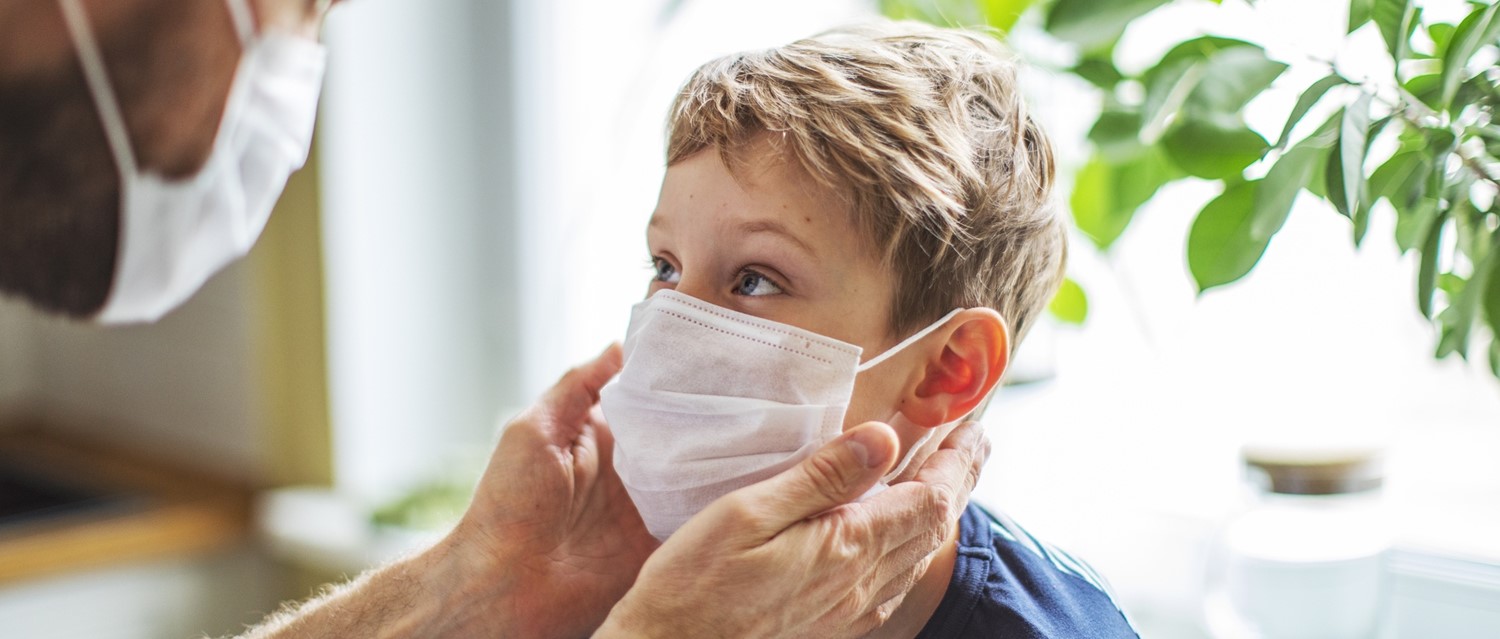
Tips to help your kids get used to face masks and coverings
As many schools now insist pupils over 11 wear masks in certain situations, lots of our children will be donning a face covering for the first time. But how should masks be worn? And how can we help our children to use them effectively?
by Gillian Harvey
About the authorView full bio
Authored by

Milly Evans
Editor
Milly writes on a range of health topics, with a particular interest in health inequality and sexual health.
About the reviewerView full bio

Dr Sarah Jarvis
Clinical Consultant
MA (Cantab), BM, BCh (Oxon), DRCOG, FRCGP, MBE
After training in medicine at Cambridge and Oxford, Dr Sarah Jarvis MBE became a GP.
Article history
Article also available in English, German, Spanish, French, Italian, Portuguese, Hindi, Hebrew, Arabic, and Swedish.
8 Mar 2021 | Originally published
Authored by:
Milly EvansPeer reviewed by
Dr Sarah Jarvis
Join the conversation
Share your thoughts or experiences with others in our patient communities.

Ask, share, connect.
Browse discussions, ask questions, and share experiences across hundreds of health topics.

Feeling unwell?
Assess your symptoms online for free
Sign up to the Patient newsletter
Your weekly dose of clear, trustworthy health advice - written to help you feel informed, confident and in control.
By subscribing you accept our Privacy Policy. You can unsubscribe at any time. We never sell your data.