Como identificar os sinais de um dente morto
Revisado por Dr Krishna Vakharia, MRCGPAuthored by Amberley DavisPublicado originalmente 24 Nov 2022
Atende aos diretrizes editoriais
- BaixarBaixar
- Compartilhar
- Language
- Discussão
- Versão em Áudio
Um dente morto pode fazer mais do que arruinar seu sorriso - pode ser uma fonte de dor, desconforto e constrangimento que atrapalha seu dia a dia. Como saber se você tem um dente morrendo ou morto e quais são as opções de tratamento?
Neste artigo:
Video picks for Cuidados dentários
Continue lendo abaixo
What is a dead tooth?
A dead tooth, also called a non-vital tooth or pulpless tooth, is a tooth that's no longer receiving a fresh supply of blood. Cosmetic dentist Dr Sam Jethwa explains how a tooth can die:
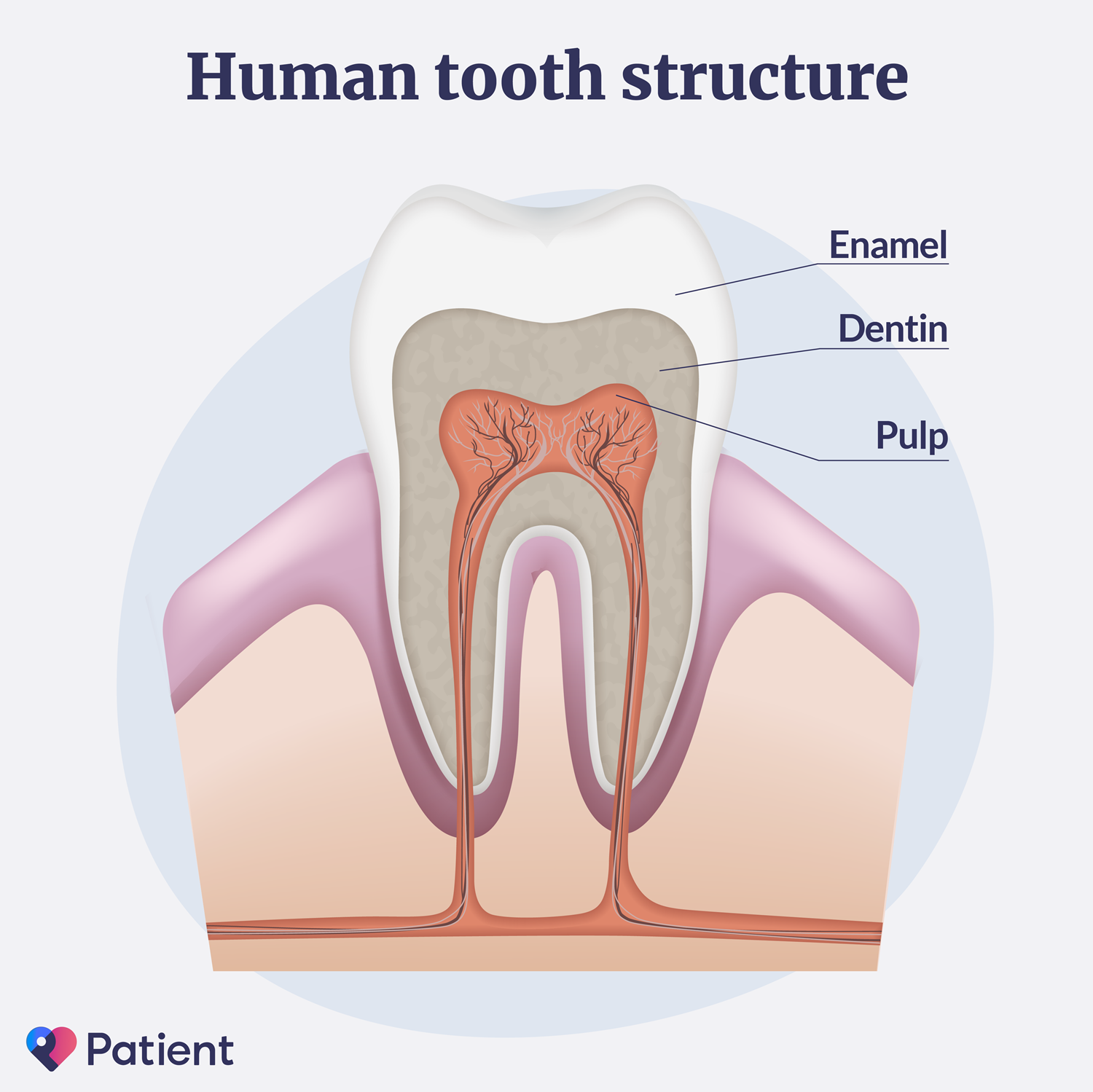
"Our teeth are made up of three layers; the enamel on the outside, the dentin on the inside, and in the middle the pulp. The pulp, a rich source of nerves and blood vessels, keeps a tooth alive and healthy. When these blood vessels and nerves die, then the tooth dies as well."
The three layers
What causes a dead tooth?
Voltar ao conteúdoAccording to Dr Jethwa, there are three reasons that can cause these vessels and nerves to die; physical trauma and damage - usually from an injury or sometimes even the process of having a filling - or from cárie dentária.
Tooth decay tends to be the result of poor dental hygiene or a diet that's high in sugar. This prevents bacteria from building up, infecting the pulp, and cutting off its blood flow.
Continue lendo abaixo
What does a dead tooth look like?
Voltar ao conteúdoYou can often identify a dying or dead tooth by the way it looks. This is because the tooth becomes discoloured, turning grey or black in appearance. This discolouration will continue to grow more obvious as the tooth continues to decay and the nerve dies.
Other dead tooth symptoms
Voltar ao conteúdoOther signs of a dead tooth include:
Dor de dente - this can be constant or happen at certain times, such as when the tooth comes into contact with hot or cold things.
Sensibilidade dentária or a loss of sensation.
Swelling around the gum.
An abscess - a swollen, pus-filled bump.
Mau hálito - sometimes a little bad breath is normal, especially morning breath, but it can be a sign of a dental problem.
Continue lendo abaixo
How to treat a dead tooth
Voltar ao conteúdo"It is possible to save a tooth that is dying, but time is of the essence," says Dr Jethwa. "For the tooth to be saved, you need an early diagnosis."
Can a dead tooth be saved?
This means you should visit a dental professional as soon as you notice the signs of a dead tooth. According to Dr Jethwa, your dentist may have materials that can be placed inside the tooth to regenerate the tooth tissue around the nerve and avoid root canal treatment.
He also explains the other treatment options:
A canal radicular is a procedure that drills into a tooth to remove the dead pulp and replace it with a man-made substance. It's then sealed to prevent further infection.
The third treatment option is extraction - the total removal of the dead tooth if it's too damaged to repair. It's your choice if you then want to fill in this gap with an implant, denture, or bridge.
The cost is one consideration - NHS dentists have fixed priced treatment plans but costs at private dentists can vary depending on the pratice, and the type and size of the replacement. The Oral Health Foundation recommends getting a written estimate and treatment plan before starting any dental treatment, to avoid any financial surprises1.
Possible reasons for replacing your extracted dead tooth:
Aesthetics - you may not like how having a gap looks.
More strain - a missing tooth could place more strain on the remaining teeth.
Your bite - over time, your teeth may lean into the gap, changing the way your upper and lower teeth bite together. This could then lead to a build-up of food particles in the gap, increasing the risk of doença gengival e cárie dentária1.
Can you whiten a dead tooth?
"If the damage has already affected the tooth enamel and caused discolouration and brittleness, then an ultra-thin veneer could be an ideal way to hide the discoloration and protect the tooth from further damage," says Dr Jethwa.
However, this depends on how early the problem is identified. Your dentist will advise on the dental care options available to you, both in terms of your dental health and wellbeing, and also your cosmetic options.
Leitura adicional
Voltar ao conteúdoPatient picks for Cuidados dentários
Cuidados orais e dentários
Como lidar com dentes sensíveis
Se você tem dentes sensíveis, certamente conhece a dor aguda desencadeada por alimentos quentes ou frios e outros fatores comuns. Para a maioria, a dor é temporária e geralmente resulta do desgaste do esmalte dos dentes. Mas para alguns, podem haver outras causas e a dor pode se tornar crônica. Perguntamos aos especialistas como lidar com dentes sensíveis e a dor associada.
por Sally Turner
Cuidados orais e dentários
Cientistas podem ter encontrado uma maneira de regenerar o esmalte dentário
Cientistas podem ter encontrado uma maneira de regenerar o esmalte protetor dos dentes usando um gel aplicado nos dentes.
por Milly Evans
Continue lendo abaixo
Histórico do artigo
As informações nesta página são revisadas por pares por clínicos qualificados.
24 Nov 2022 | Publicado originalmente
Escrito por:
Amberley DavisRevisado por
Dr Krishna Vakharia, MRCGP

Pergunte, compartilhe, conecte-se.
Navegue por discussões, faça perguntas e compartilhe experiências em centenas de tópicos de saúde.

Sentindo-se mal?
Avalie seus sintomas online gratuitamente
Inscreva-se no boletim informativo do Patient
Sua dose semanal de conselhos de saúde claros e confiáveis - escritos para ajudá-lo a se sentir informado, confiante e no controle.
By subscribing you accept our Política de Privacidade. Você pode cancelar a inscrição a qualquer momento. Nunca vendemos seus dados.