Diuréticos tiazídicos
Revisado por Dr Surangi Mendis, MRCGPÚltima atualização por Dr Rachel Hudson, MRCGPÚltima atualização 1 Nov 2023
Atende aos diretrizes editoriais
- BaixarBaixar
- Compartilhar
- Language
- Discussão
- Versão em Áudio
- Adicionar às fontes preferidas no Google
Os diuréticos tiazídicos são usados principalmente para tratar a pressão alta (hipertensão). Eles também são ocasionalmente usados para insuficiência cardíaca.
Em resumo
Thiazide diuretics are a type of medicine, sometimes called 'water tablets', that increase urine production.
They are commonly used to treat high blood pressure and can also help clear excess fluid from the body.
Thiazide diuretics work by making kidneys pass out more fluid and by widening blood vessels.
Side-effects are uncommon but can include changes in blood sugar, uric acid, or salt levels.
Most thiazide diuretics are taken once a day in the morning.
You can report possible side-effects to medicines using the Yellow Card Scheme.

Inseguro sobre misturar medicamentos?
Verifique possíveis interações entre medicamentos, suplementos e alimentos antes de tomá-los juntos.
O que são diuréticos tiazídicos?
Um diurético é um medicamento que aumenta a quantidade de água que você elimina pelos rins. Um diurético provoca um aumento na produção de urina, chamado diurese. Por isso, às vezes são chamados de 'comprimidos de água'. Existem diferentes tipos de diuréticos que atuam de maneiras distintas, e os diuréticos tiazídicos são um tipo de diurético.
Thiazide diuretics are a common treatment for pressão alta (hipertensão). They are also occasionally used to clear fluid from the body in conditions where your body accumulates too much fluid, such as insuficiência cardíaca. However, a different type of diuretic called a diurético de alça is more commonly used to treat heart failure.
Exemplos de diuréticos tiazídicos
Existem vários diuréticos tiazídicos - eles incluem:
Cada medicamento possui vários nomes de marca diferentes.
Como os diuréticos tiazídicos funcionam
Um de seus efeitos é fazer os rins eliminarem mais líquido. Eles fazem isso interferindo no transporte de sal e água através de certas células nos rins.
Os diuréticos tiazídicos tendem a ter uma ação fraca nos rins, portanto você não percebe um grande aumento na produção de urina ao tomar esses medicamentos (em comparação com os diuréticos de alça).
Eles também têm o efeito de dilatar os vasos sanguíneos. Uma combinação desses dois efeitos reduz a pressão arterial.
Efeitos colaterais dos diuréticos tiazídicos
Efeitos colaterais são incomuns, pois a dose necessária para reduzir a pressão arterial é baixa. O folheto que acompanha o comprimido fornece uma lista completa dos possíveis efeitos colaterais. Portanto, é importante ler esse folheto se você receber uma prescrição de um diurético tiazídico.
Efeitos colaterais comuns ou graves possíveis incluem:
Um possível aumento no seu nível de açúcar no sangue. Algumas pessoas com diabetes podem precisar de mais tratamento para manter o nível de açúcar no sangue dentro do normal.
Um possível aumento no nível de ácido úrico. Portanto, se você tem gota, pode ter mais ataques de gota. Um primeiro ataque de gota às vezes é desencadeado pelo uso de um diurético.
O equilíbrio de sal no sangue às vezes é perturbado, o que pode causar níveis baixos de potássio, sódio e magnésio no sangue, e níveis elevados de cálcio. Esses efeitos podem causar fraqueza, confusão e, raramente, o desenvolvimento de ritmos cardíacos anormais. Pode ser recomendado fazer um exame de sangue para verificar esses problemas.
Outros problemas, como:
Estômago irritado.
Dizziness on standing - due to too pressão arterial baixa (hipotensão).
Problemas de ereção (impotência) - frequentemente reversíveis ao interromper o tratamento.
Sensibilidade da pele à luz do sol.
Outras considerações
A maioria dos diuréticos tiazídicos é tomada uma vez ao dia, de manhã. Qualquer redução na pressão arterial é mantida ao longo de 24 horas por essa dose diária. No entanto, o efeito de eliminar o excesso de urina desaparece em até 12 horas.
Portanto, você não precisará se levantar à noite para fazer viagens extras ao banheiro. De fato, a dose usada para tratar a hipertensão arterial é bastante baixa, e muitas pessoas mal percebem um aumento na quantidade de urina que eliminam.
Escolhas do paciente para Medicamentos para o coração e sangue

Tratamento e medicação
Aspirina e outros medicamentos antiplaquetários
A maioria das pessoas com doença cardiovascular (por exemplo, angina, doença arterial periférica ou um ataque cardíaco anterior, ataque isquêmico transitório (AIT) ou AVC) toma uma dose baixa de aspirina (75 mg) diariamente ou clopidogrel (75 mg) diariamente. Isso reduz o risco de ataque cardíaco em cerca de um terço. Reduz o risco de sofrer um AVC em cerca de um quarto. Uma dose diária baixa de aspirina também reduz o risco de desenvolver alguns tipos comuns de câncer, mas não é recomendado que toda a população tome aspirina por esse motivo. Isso porque, em algumas pessoas, a aspirina pode aumentar o risco de sangramento estomacal e úlceras no estômago, que às vezes podem ser fatais.
por Dr. Toni Hazell, FRCGP
Tratamento e medicação
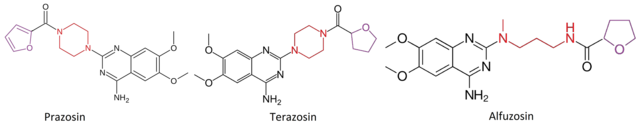
Bloqueadores alfa
Os bloqueadores alfa são medicamentos utilizados principalmente para tratar hipertensão arterial (pressão alta) e problemas ao urinar em homens com aumento da glândula prostática. O aumento da próstata também é chamado de hiperplasia prostática benigna (HPB).
por Dr. Doug McKechnie, MRCGP
Perguntas frequentes
When is the best time of day to take a thiazide diuretic?
Most thiazide diuretics are typically taken once a day in the morning. This schedule ensures that any effects of passing extra urine wear off within 12 hours, meaning you shouldn't have to get up during the night for additional toilet trips.
Will taking a thiazide diuretic make me need to use the toilet frequently?
While thiazide diuretics do increase urine output, the dose used for high blood pressure is generally low. Many people find they barely notice an increase in the amount of urine they pass. The effect of passing extra urine also wears off within 12 hours, so it's unlikely to cause frequent night-time toilet visits.
Can thiazide diuretics affect my blood test results?
Yes, thiazide diuretics can sometimes cause an upset in the salt balance in your bloodstream. This may lead to lower levels of potassium, sodium, and magnesium, and higher levels of calcium. Your doctor may advise you to have a blood test to monitor these levels if you are taking this medication.
Can taking a thiazide diuretic make me feel dizzy?
A possible side-effect of thiazide diuretics is dizziness, particularly when standing up. This can occur if your blood pressure becomes too low (hypotension) due to the medication.
Leitura adicional e referências
- Hipertensão em adultos: diagnóstico e manejo; NICE (agosto de 2019 - última atualização novembro de 2023)
- Burnier M, Bakris G, Williams B; Redefinindo o uso de diuréticos na hipertensão: por que escolher um diurético semelhante à tiazida? J Hypertens. 2019 Ago;37(8):1574-1586. doi: 10.1097/HJH.0000000000002088.
- Pham D, Grodin JL; Dilemas na dosagem de medicamentos para insuficiência cardíaca: ajuste de diuréticos na insuficiência cardíaca crônica. Rev. Insuf. Cardíaca. Nov 2017;3(2):108-112. doi: 10.15420/cfr.2017:10:1.
Sobre o autorVer biografia completa

Dra. Rachel Hudson, MRCGP
Médico Generalista e Autor Médico
MBChB, MRCGP (2008), BSc (Medical Science), DFSRH, DRCOG, DCH
Dra. Rachel Hudson é uma médica do NHS que trabalha no Noroeste da Inglaterra.
Sobre o revisorVer biografia completa

Dr Surangi Mendis, MRCGP
Consultor e Autor Médico
MBBS, BSc (1º), MRCGP (2014), DFSRH, PGcert otologia e audiologia
Surangi Mendis é consultora em Medicina Audiovestibular e Neuro-otologia no The Royal National ENT and Eastman Dental Hospitals, UCLH.
Histórico do artigo
As informações nesta página são escritas e revisadas por clínicos qualificados.
Artigo também disponível em Inglês, Alemão, Espanhol, Francês, Italiano, Português, Hindi, Hebraico, Árabe, e Sueco.
Próxima revisão prevista: 30 de outubro de 2028
1 Nov 2023 | Última versão

Pergunte, compartilhe, conecte-se.
Navegue por discussões, faça perguntas e compartilhe experiências em centenas de tópicos de saúde.

Sentindo-se mal?
Avalie seus sintomas online gratuitamente
Inscreva-se no boletim informativo do Patient
Sua dose semanal de conselhos de saúde claros e confiáveis - escritos para ajudá-lo a se sentir informado, confiante e no controle.
Ao se inscrever, você aceita nossos Política de Privacidade. Você pode cancelar a inscrição a qualquer momento. Nunca vendemos seus dados.
Mais em tratamento e medicação
- Aminossalicilatos
- Comprimidos anti-inflamatórios
- Anticoagulantes
- Betabloqueadores
- Lentes de contato
- Medicamentos para tosse
- Lidando com uma criança que não responde
- Laxantes
- Tratamento com nitrogênio líquido
- Substituição de heroína por metadona
- Vacinação MMR
- Mucolíticos
- Medicamento para náusea
- Terapia de reposição de nicotina
- Medicação com nitratos
- Vasodilatadores periféricos
- Fisioterapeutas
- Sprays nasais de esteroides
- Vacina contra encefalite transmitida por carrapatos
- Medicamentos para vermes