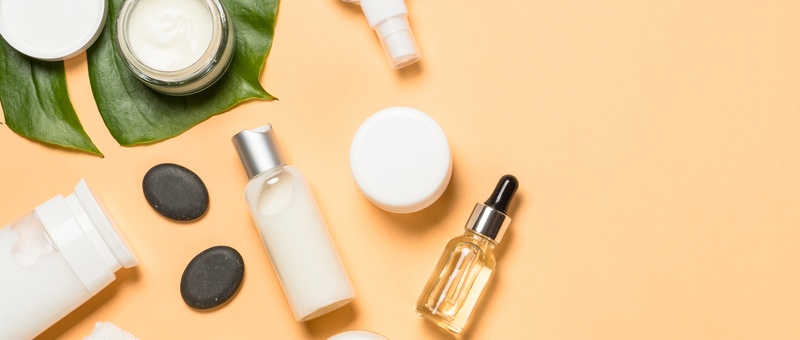
É possível ter uma pele incrível sem gastar uma fortuna?
Revisado por Dr Colin Tidy, MRCGPAutoria de Victoria RawPublicado originalmente 10 Ago 2026
Atende aos diretrizes editoriais
- BaixarBaixar
- Compartilhar
- Language
- Discussão
- Ask Patient
- Versão em Áudio
- Adicionar às fontes preferidas no Google
Does achieving great skin really mean spending a fortune? The good news is that effective skincare doesn’t have to come with a hefty price tag.
Alongside a healthy lifestyle, there are plenty of affordable products that can help keep your skin looking and feeling its best.
Explore moisturisers for dry skin
Obtenha aconselhamento especializado em saúde no conforto da sua casa. Faça uma consulta online rápida, disponível 24 horas por dia, 7 dias por semana, e tenha o seu pedido avaliado por um profissional de saúde registado no Reino Unido. Entrega no dia seguinte disponível para tratamentos elegíveis.

Escolhas de vídeos para Cuidado com a peleBiblioteca de vídeos
Do we really need to moisturise?
There’s no shortage of skincare products claiming to do it all - from reducing the signs of ageing to leaving your complexion looking healthy, radiant, and glowing.
What many of us do have, however, is a shortage of money, making those miracle creams and serums feel out of reach.
According to Dr Susan Mayou, Consultant Dermatologist at Cadogan Clinic, moisturising becomes increasingly important as we age because our skin naturally produces less oil and loses its ability to retain moisture.
“Well-hydrated skin appears smoother, can make fine lines less noticeable, and is more resilient,” she explains. “But you don't need an expensive cream to achieve this.”
Dr Susan Mayou

Why sunscreen matters for healthy skin
Daily sunscreen is one of the most effective ways to protect against premature skin ageing and reduce your chance of sunburn and certain skin cancers.
When choosing a budget-friendly sunscreen, don't assume that a higher price tag means better protection. The most important thing is to choose a broad-spectrum sunscreen with an appropriate sun protection factor (SPF) that you'll use consistently.
Mayou notes that daily sunscreen is the single most effective anti-ageing skin product you can buy.
“Important factors are choosing a broad-spectrum SPF 30 or higher that protects against both ultraviolet A (UVA) and ultraviolet B (UVB) rays, and applying enough every day,” she says. “Expensive sunscreens are not necessarily better at sun protection or preventing premature ageing.
“Higher-priced products may offer a more elegant texture or additional skincare ingredients, but sunscreen only works if you apply it thickly enough and wear it consistently. Finding one that feels comfortable enough to use every day is far more important than the brand or price.”
Which ingredients are actually worth paying for?
Alongside eating a healthy diet rich in antioxidant-containing foods, certain serums and creams can help improve the appearance of your skin - and they don't have to come with a premium price tag.
“A healthy diet provides antioxidants from within,” says Mayou. “However, topical antioxidants offer an additional layer of protection by helping to neutralise free radicals caused by UV exposure and pollution, both of which accelerate skin ageing.
“Effectiveness depends more on the formulation and stability of the ingredients than on the price tag,” she adds. “So affordable options can deliver excellent results.”
What to look for on the label
Mayou recommends focusing on the ingredients in your moisturiser rather than how much it costs.
She advises using products that contain:
Glycerine and ácido hialurônico - humectants that attract and lock in moisture, helping to keep skin hydrated.
Ceramides - help restore and strengthen the skin barrier while reducing water loss, allowing your skin to retain moisture more effectively.
Retinol - helps stimulate collagen production and improves the appearance of fine lines.
Vitamina C - helps brighten your complexion, support collagen production and reduce pigmentation.
Niacinamide - helps strengthen the skin barrier, reduce redness, and improve your overall skin texture.
Vitamin E and ferulic acid - antioxidants with good evidence supporting their skin-protective benefits.
Mayou emphasises that a simple, fragrance-free moisturiser containing these ingredients can be just as effective as many premium products when used consistently.
“Beginners should introduce one active ingredient at a time, starting with retinol once or twice a week and gradually increasing the frequency as tolerated,” says Mayou. “This allows your skin to adjust while minimising irritation and unnecessary spending on multiple products.”
Do anti-ageing creams and collagen supplements really work?
If you’re wondering whether products such as collagen supplements actually work, research suggests they may help improve skin hydration and elasticity. However, as Mayou notes, the evidence is still developing, and any benefits are likely to be subtle rather than dramatic.
“Anti-ageing creams vary enormously, and many rely on marketing rather than proven ingredients,” she says. “If you're spending on skincare, prioritise products with strong scientific evidence - daily sunscreen, a retinol, a moisturiser containing ceramides or glycerine, and, if your budget allows, a vitamin C serum.
“These will deliver far greater long-lasting benefits than most luxury creams.”
What does a simple anti-ageing skincare routine look like?
You don’t need a complicated or expensive skincare routine to keep your skin healthy and support its natural appearance. A simple, consistent approach using the right ingredients can help target specific concerns and keep your skin looking its best.
Mayou recommends this simple, low-cost anti-ageing skincare routine:
Evening - cleanse your skin to remove makeup, dirt, and bacteria. This doesn’t need to be an expensive anti-ageing cleanser, as it spends very little time on your skin before being washed away. After cleansing, apply a retinol product a few nights a week, gradually increasing the strength and frequency as your skin becomes more tolerant.
Morning - splash your face with water or use a gentle cleanser, then apply a vitamin C serum followed by moisturiser. Finish with a broad-spectrum SPF 30 or higher to help protect your skin from UV damage.
Retinol-free nights - simply moisturise to support and strengthen your skin barrier.
Do skincare devices make a difference?
It’s not just creams, oils, and serums that brands claim can help slow the visible signs of skin ageing. We’re also told that skincare tools - from facial rollers and LED masks to microcurrent devices - are worth the investment for tackling concerns such as fine lines, wrinkles, and loss of firmness.
Mayou explains that while some at-home skincare devices are supported by scientific evidence, it's important to keep your expectations realistic. While certain technologies can deliver modest improvements with consistent use, they are unlikely to replicate the results of professional in-clinic treatments.
“If you're on a budget, I would invest in evidence-based skincare and daily sunscreen before purchasing any device,” she suggests. “Consistent topical skincare delivers the greatest return over time.”
Why good sleep matters for your skin
Mayou adds that quality sleep also plays an important role in skin repair and recovery. Anything that helps you sleep well may indirectly benefit your skin.
“Blackout curtains or a comfortable sleep mask can help if they improve your sleep quality,” she says. “Silk pillowcases may reduce friction on your skin and hair, but the evidence that they significantly reduce wrinkles is limited.
“Rather than investing heavily in accessories, I would prioritise maintaining a consistent sleep schedule, keeping hydrated, and following a simple skincare routine before bed.”
Healthy-looking skin doesn't have to come at a premium. Consistent use of evidence-based skincare, daily sunscreen, and healthy lifestyle habits will usually deliver better long-term results than chasing luxury products or the latest beauty trends.
Escolhas do paciente para Cuidado com a pele

Saúde da pele, unhas e cabelos
Máscaras faciais de LED realmente funcionam?
Máscaras faciais de LED estão em toda parte agora, prometendo eliminar a acne e suavizar linhas finas apenas com comprimentos de onda de luz. Mas esses produtos prometem mais do que realmente entregam? Perguntamos a um dermatologista a sua opinião.
por Victoria Raw

Saúde da pele, unhas e cabelos
Análise de pele por IA: o que é e por que os especialistas alertam contra isso
Você pode ter visto ferramentas de saúde alimentadas por IA que afirmam analisar sua pele após você enviar uma foto online. Um exemplo é a tendência viral de 'Análise de Cuidados com a Pele' do ChatGPT, onde os usuários pedem à IA para avaliar preocupações como acne, pigmentação ou envelhecimento apenas a partir de uma selfie. Embora essas ferramentas estejam se tornando populares por oferecerem feedback rápido e acessível, especialistas alertam que muitas vezes podem fazer mais mal do que bem para sua saúde.
por Victoria Raw
Sobre o autorVer biografia completa
Autoria de

Victoria Raw
Redatora de Reportagens
BA (Hons), Literatura Inglesa
Victoria é redatora de conteúdo na Patient, com interesses especiais que abrangem o bem-estar mental, tendências sociais e o impacto da tecnologia na nossa saúde.
Sobre o revisorVer biografia completa

Dr Colin Tidy, MRCGP
Médico Generalista, Autor Médico
MBBS, MRCGP, MRCP (Paediatrics), DCH
Dr Colin Tidy é um médico do NHS, baseado em Oxfordshire.
Histórico do artigo
Artigo também disponível em Inglês, Alemão, Espanhol, Francês, Italiano, Português, Hindi, Hebraico, Árabe, e Sueco.
Next review due: 10 Aug 2029
10 Ago 2026 | Publicado originalmente
Escrito por:
Victoria RawRevisado por
Dr Colin Tidy, MRCGP
Compartilhe seus pensamentos ou experiências com outros em nosso comunidades de pacientes.
Inscreva-se no boletim informativo do Patient
Sua dose semanal de conselhos de saúde claros e confiáveis - escritos para ajudá-lo a se sentir informado, confiante e no controle.
Ao se inscrever, você aceita nossos Política de Privacidade. Você pode cancelar a inscrição a qualquer momento. Nunca vendemos seus dados.