Pílula quatro em um pode prevenir problemas cardíacos
Revisado por Natalie HealeyAutoria de Ashwin BhandariPublicado originalmente 23 de ago. de 2019
Atende aos diretrizes editoriais
- BaixarBaixar
- Compartilhar
- Language
- Discussão
- Ask Patient
- Versão em Áudio
- Adicionar às fontes preferidas no Google
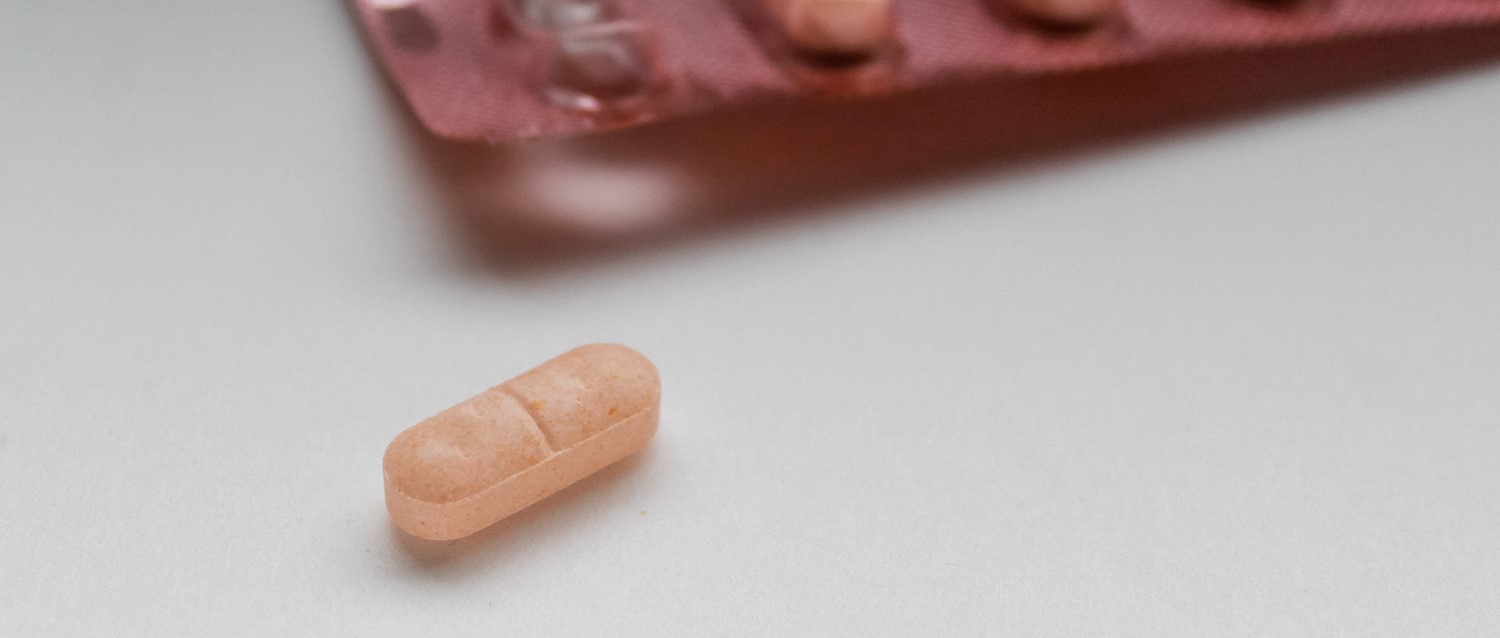
Uma 'polipílula', que combina quatro medicamentos diferentes, pode reduzir o risco de doenças cardíacas e derrame, de acordo com novas pesquisas.
Explore blood pressure treatment options
Obtenha aconselhamento especializado em saúde no conforto da sua casa. Faça uma consulta online rápida, disponível 24 horas por dia, 7 dias por semana, e tenha o seu pedido avaliado por um profissional de saúde registado no Reino Unido. Entrega no dia seguinte disponível para tratamentos elegíveis.

Taking one daily pill containing a number of different medications could reduce the risk of ataque cardíaco, derrame e heart failure.
The low-cost 'polypill' combines four drugs, including a cholesterol-lowering statin, aspirin and two medicines that prevent high blood pressure.
A study, published in The Lancet, has shown that the pill can reduce the risk of heart disease by 34%
Experts at Tehran University of Medical Sciences in Iran, recruited almost 7,000 people aged 55 and over from 236 villages in northern Iran. Each village was allocated to one of two groups.
Those in the first group were given general advice on diet, exercise and smoking. Participants in the second group were given the same advice, but were also required to take the polypill each day.
After five years, 202 people in the group that took the combination pill had suffered a heart attack or a stroke, compared with 301 in villages where only lifestyle advice was given.
Some participants reported unpleasant side effects from long-term use such as dizziness, muscle pain and indigestion. However, complications were said to be as common in those not taking the pill.
Co-author professor Tom Marshall from University of Birmingham said: "Polypills are commercially available in a number of countries for secondary prevention, but this is the largest trial confirming the value of the polypill and showing it is effective in primary prevention."
"The idea of the polypill has always been appealing, and now we know that a fixed-dose polypill can achieve clinical benefits in practice," says Professor Reza Malekzadeh from Tehran University of Medical Sciences in Iran who led the research.
Despite the benefits of the polypill, Malekzadeh stressed that this medication is not an alternative to a healthy lifestyle, and should be combined with physical activity and a balanced diet.
Dr Kate Holmes, assistant director of research, Stroke Association, said: "We know that there is a growing problem of stroke and other cardiovascular diseases in low- and middle-income countries and that preventative strategies are urgently needed if we are to address this problem. Governments who can provide access to a low-cost polypill would be making significant progress towards the World Health Organization’s goal of Universal Health Coverage, that is, for all people to receive the health services they need without suffering financial hardship."
Explore blood pressure treatment options
Obtenha aconselhamento especializado em saúde no conforto da sua casa. Faça uma consulta online rápida, disponível 24 horas por dia, 7 dias por semana, e tenha o seu pedido avaliado por um profissional de saúde registado no Reino Unido. Entrega no dia seguinte disponível para tratamentos elegíveis.
Escolhas do paciente para Doença cardíaca

Saúde do coração e vasos sanguíneos
Ter formato de 'pera' pode reduzir o risco de doenças cardíacas em mulheres
Um novo estudo com mulheres na pós-menopausa mostrou que mulheres que têm formato de maçã, em vez de pêra, estão em maior risco de problemas cardíacos e vasculares.
por Milly Evans

Saúde do coração e vasos sanguíneos
Ensaios clínicos de novo tratamento para cardiomiopatia hipertrófica trazem esperança aos pacientes
Cardiomiopatia hipertrófica é uma condição em que as paredes do músculo cardíaco estão espessadas. Isso interfere na capacidade do coração de bombear sangue pelo corpo. A medicação atual foca no manejo dos sintomas da cardiomiopatia hipertrófica, mas um novo medicamento que pode tratar a causa subjacente está em revisão.
por Amberley Davis
Sobre o autorVer biografia completa
Autoria de

Ashwin Bhandari
Redator Médico
Bacharelado em Jornalismo
Sobre o revisorVer biografia completa

Natalie Healey
Jornalista freelancer
Bacharelado (Hons) em Ciências Biomédicas
Ela é uma jornalista de saúde baseada em Londres que escreve sobre ciência e medicina há vários anos. Ela é a ex-chefe de redação da Patient.
Histórico do artigo
Artigo também disponível em Inglês, Alemão, Espanhol, Francês, Italiano, Português, Hindi, Hebraico, Árabe, e Sueco.
23 de ago. de 2019 | Publicado originalmente
Escrito por:
Ashwin BhandariRevisado por
Natalie Healey
Compartilhe seus pensamentos ou experiências com outros em nosso comunidades de pacientes.
Acesso simples a tratamentos confiáveis e serviços de saúde online.
Common conditions
Get help with common conditions through the NHS, without a GP appointment.
 Sinusite aguda
 Amigdalite bacteriana
 Impetigo
 Mordidas de insetos
 Herpes zosterInfecção do trato urinário (ITUs)
Inscreva-se no boletim informativo do Patient
Sua dose semanal de conselhos de saúde claros e confiáveis - escritos para ajudá-lo a se sentir informado, confiante e no controle.
Ao se inscrever, você aceita nossos Política de Privacidade. Você pode cancelar a inscrição a qualquer momento. Nunca vendemos seus dados.