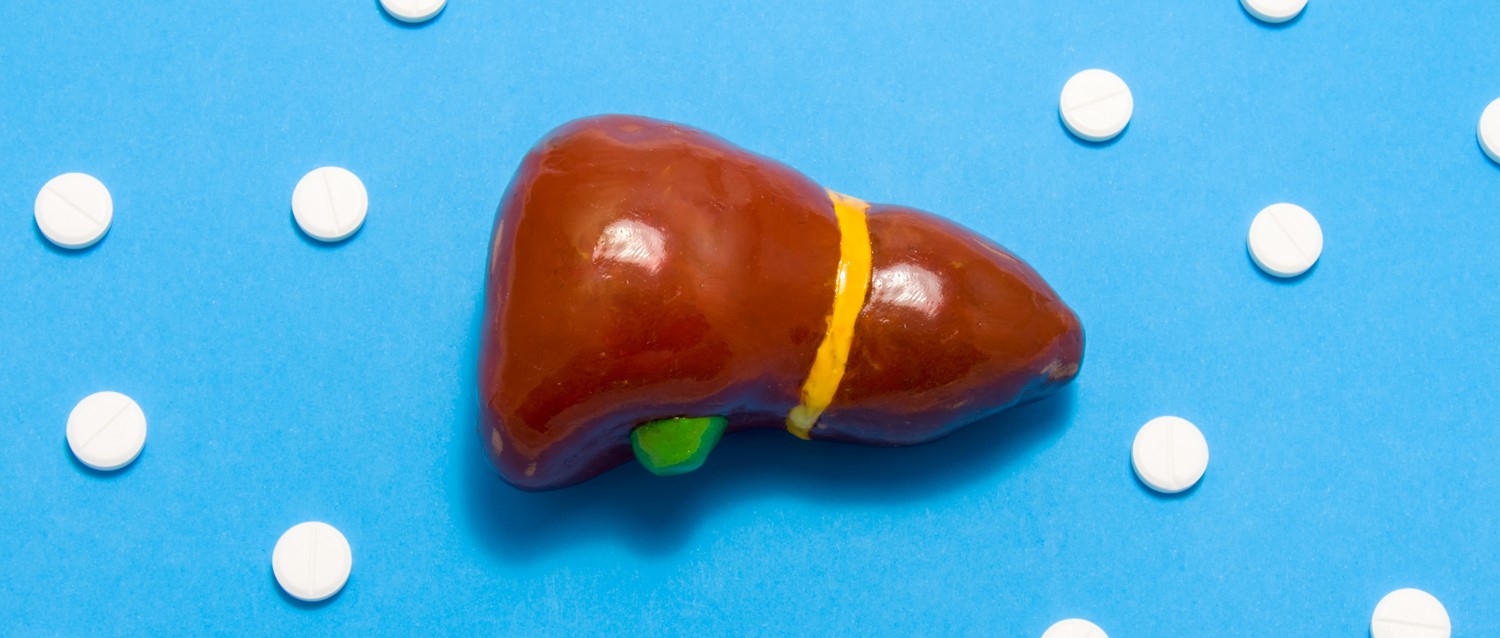
O que é hepatite autoimune e como ela difere de outras formas?
Revisado por Dr Krishna Vakharia, MRCGPAutoria de Amberley DavisPublicado originalmente 29 Jul 2022
Atende aos diretrizes editoriais
- BaixarBaixar
- Compartilhar
- Language
- Discussão
- Versão em Áudio
- Adicionar às fontes preferidas no Google
Você pode ter ouvido falar de hepatite, mas sabia que essa condição do fígado pode ser contagiosa ou não contagiosa? Existem várias causas de hepatite, e diferentes causas correspondem a diferentes tipos da doença. A hepatite autoimune é uma causa incomum que pode levar a complicações graves.
Hepatitis has many causes
How rare is autoimmune hepatitis?
It is thought that around 10,000 people in the UK are living with hepatite autoimune1. This makes up a small percentage of people living with a type of hepatite - where your liver becomes inflamed (swollen) risking further liver damage and serious complications.
The type of hepatitis you have is related to what caused this liver inflammation. These are all treated differently, and fall into the following categories:
Viral hepatitis (includes hepatitis A, B, C, D, and E) - each letter corresponds to a particular virus that can spread from person to person, causing infections that lead to hepatitis.
Toxic hepatitis - potential toxins (substances that can be harmful to your body) include alcohol (alcoholic hepatitis) chemicals, or drugs. This includes some medications which have been known to trigger toxic reactions in some people.
Doença hepática gordurosa não alcoólica - describes a range of conditions caused by a build-up of fat in the liver. Hepatitis is one possible effect this can have.
Hepatite autoimune - a condition where your immune system attacks and causes damage to your liver.
O que é hepatite autoimune?
Autoimmune hepatitis is an autoimmune disease; this means that your body's sistema imunológico makes antibodies to attack your liver cells, mistaking them for foreign cells that could cause you harm. Experts have identified two types of autoimmune hepatitis: type 1 and type 2. Your body makes different antibodies in each type.
This internal attack can cause inflammation and liver damage. Experts are not sure why this happens in some people and not in others, but there are a few possible triggers:
Is autoimmune hepatitis hereditary?
You could have a genetic predisposition to autoimmune hepatitis. This means that certain genes passed on to you from your family could make your immune system more likely to turn on its own cells. This is why 30-50% of people with autoimmune hepatitis also have other autoimmune conditions, such as diabetes tipo 1 e doença da tireoide1.
Can certain substances cause autoimmune hepatitis?
Just like toxic hepatitis, certain harmful substances such as medicines and chemicals can cause your liver to become inflamed. Whereas in toxic hepatitis it's these toxins themselves that cause the damage, in autoimmune hepatitis it's your body's defence response that does the harm.
Can stress cause autoimmune hepatitis?
The link between estresse and autoimmune disease has been implicated in many studies. One study found a significantly higher incidence of autoimmune diseases, such as artrite reumatoide e lúpus, among those previously diagnosed with stress-related illnesses2.
Another that focused specifically on people living with autoimmune hepatitis found that those who were stressed were more likely to relapse (have their symptoms return after treatment)3.
How do you test for autoimmune hepatitis?
Sintomas de hepatite autoimune can range from non-existent or mild (for example, feeling tired, sick, or achy) to severe (for example, yellow skin, dark urine, or abnormal blood vessels).
In fact, many people have no symptoms for quite some time, which means that most will only be diagnosed when they are tested for an unrelated condition.
When your symptoms suggest you may have hepatitis, your doctor can run the following tests:
Blood tests, including liver function tests and other blood tests that measure antibodies found in autoimmune diseases.
An ultrasound scan of the liver.
A small sample of the liver can be taken and studied under a microscope (a liver biopsy).
Can autoimmune hepatitis be cured?
While some types of hepatitis are acute (short-term), autoimmune hepatitis is always chronic (lasts longer than six months) and is often with you for life. As the inflammation gradually damages your liver cells, there is a risk of serious and even life-threatening complications.
Isso inclui:
The good news is that treatment makes a huge difference. This comes in the form of various medicines that improve your symptoms and reduce your chances of developing these complications.
How long can you live with autoimmune hepatitis?
Within 10 years of developing autoimmune hepatitis, it is thought that your chances of dying are twice that of someone without autoimmune hepatitis4. However, medicines are dramatically changing the course of the disease and are providing hope:
Without treatment - roughly 40-50% of people with severe autoimmune hepatitis die within six months to five years.
With treatment - around 84-94% of people live beyond the 10-year mark5 and have a normal life expectancy.
Can you live a normal life with autoimmune hepatitis?
It's one thing looking at life expectancy, but what about the quality of your life? Thanks to treatment, most people with autoimmune hepatitis feel well most of the time. It's common to be on treatment on-and-off throughout your life, as autoimmune hepatitis symptoms often return.
The general advice is to follow a dieta saudável, as this may reduce the risk of complications.
Can you drink alcohol with autoimmune hepatitis?
As all alcoholic beverages can cause further harm to your liver, ideally you should avoid drinking. Failing that, you should only drink in very small amounts. Alcohol causes inflammation and can be a sole cause of (alcoholic) hepatitis. If your liver is already inflamed, drinking can speed up liver damage that leads to serious illness.
Leitura adicional
Escolhas do paciente para Fígado e vesícula biliar

Saúde digestiva
É possível ter cálculos biliares quando se é jovem?
A resposta simples é sim! Embora os cálculos biliares sejam frequentemente vistos como uma condição que afeta apenas aqueles que são 'claros, gordos e com 40 anos', a realidade é que você pode tê-los a qualquer momento.
por Rose Constantine Smith, ANutr
Saúde digestiva
Qual é a diferença entre hepatite A, B e C?
You've probably heard of hepatitis, but do you know the difference between hepatitis A, B, and C? They are all caused by different viruses and, while they have similarities - especially in their symptoms - treatments and preventative measures differ.
por Emily Jane Bashforth
Sobre o autorVer biografia completa
Autoria de

Amberley Davis
Escritor sênior
BA (Hons), CPD
Amberley é uma escritora sênior na Patient e escreveu extensivamente sobre uma variedade de tópicos de saúde e bem-estar.
Sobre o revisorVer biografia completa

Dr Krishna Vakharia, MRCGP
Diretor Médico de Saúde, Optum UK
MBChB, MRCGP(2013), BMedSci (hons), DFSRH, DRCOG, PGDipDerm (Distn)
Dr. Krishna Vakharia é uma médica de clínica geral do NHS. Ela também é examinadora regular do Diploma de Pós-Graduação em Dermatologia Prática na Universidade de Cardiff, além de ser a Diretora Médica de Saúde na Optum UK.
Histórico do artigo
Artigo também disponível em Inglês, Alemão, Espanhol, Francês, Italiano, Português, Hindi, Hebraico, Árabe, e Sueco.
29 Jul 2022 | Publicado originalmente
Escrito por:
Amberley DavisRevisado por
Dr Krishna Vakharia, MRCGP
Participe da conversa
Compartilhe seus pensamentos ou experiências com outros em nosso comunidades de pacientes.

Pergunte, compartilhe, conecte-se.
Navegue por discussões, faça perguntas e compartilhe experiências em centenas de tópicos de saúde.

Sentindo-se mal?
Avalie seus sintomas online gratuitamente
Inscreva-se no boletim informativo do Patient
Sua dose semanal de conselhos de saúde claros e confiáveis - escritos para ajudá-lo a se sentir informado, confiante e no controle.
Ao se inscrever, você aceita nossos Política de Privacidade. Você pode cancelar a inscrição a qualquer momento. Nunca vendemos seus dados.