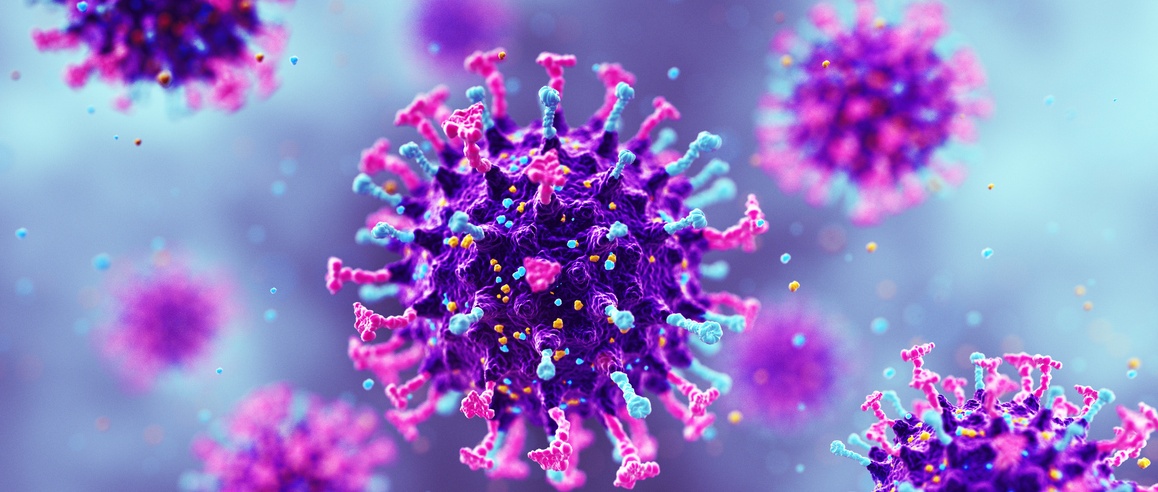
O que é HMPV e devemos nos preocupar?
Revisado por Dr Krishna Vakharia, MRCGPAutoria de Victoria RawPublicado originalmente 28 Jan 2025
Atende aos diretrizes editoriais
- BaixarBaixar
- Compartilhar
- Language
- Discussão
- Versão em Áudio
- Adicionar às fontes preferidas no Google
Se você notou um vírus chamado HMPV surgindo em suas notícias recentemente, provavelmente devido a um aumento recente de infecções. Esses casos tendem a aumentar durante o inverno e o início da primavera, tornando agora o momento perfeito para ficar informado. Aqui está uma visão rápida do HMPV, seus sintomas e se você deve se preocupar.
What is HMPV?
Human metapneumovirus (HMPV) was first identified in the Netherlands in 2001 - making it a relatively new virus compared to many others.
Dr Layla Eagles, Private GP, Wellsoon from Practice Plus Group, UK explains that HMPV is a common respiratory virus that belongs to the same viral family as respiratory syncytial virus (RSV).
RSV is a leading cause of colds and respiratory illnesses - which affect your lungs and breathing - during winter.
What are the symptoms of HMPV?
In many cases, symptoms of HMPV may be mild - similar to those of the resfriado comum.
Eagles explains these can include:
Tosse.
Aches - such as headaches and body aches.
Dor de garganta.
Tosse.
Runny or blocked nose.
Other symptoms may present as:
Asthma attacks.
Difficulty breathing (dyspnoea).
Chiado.
How many cases of HMPV does the UK have?
The number of HMPV infections in the UK has steadily increased since Autumn 2024.
According to the UK Health and Security Agency (UKHSA), by 19th January 2025, around 5% of people tested for respiratory illnesses tested positive for HMPV.
Eagles explains that this aligns with the typical peaks of winter viruses.
"HMPV has been identified as being present across the world," she says. "The exact number of cases is unknown as testing is only carried out if a person is admitted to hospital due to their symptoms."
Should we be worried about HMPV in the UK?
Most people with HMPV will have a mild illness that gets better on its own. However, certain people may develop more severe symptoms.
Eagles explains: "HMPV can make some people more unwell - particularly very young children and older adults."
She adds that HMPV may have serious effects on those with weakened immune systems, or other health conditions such as Chronic Obstructive Pulmonary Disease (COPD) and asthma.
Estes podem se apresentar como:
Bronquite aguda - inflammation of the airways in the lungs.
Bronquiolite - inflammation of the airways in the lungs, affecting infants and young children.
Pneumonia - an infection of the lung air sacs (alveoli).
Will it cause another lockdown?
Diferente de COVID-19, HMPV is not a new virus. It has been circulating globally for decades, meaning there is likely some immunity in the general population from previous exposure.
This means there is a much lower chance of HMPV becoming a pandemic.
Eagles diz: "No suggestion has been made by the experts at the World Health Organization (WHO) to imply more serious measures - such as lockdown - are needed."
How to avoid catching HMPV
HMPV spreads from an infected person to others in a variety of ways.
Eagles outlines the most common methods:
Direct contact with an infected person.
Droplets from coughing or sneezing.
Touching a contaminated surface.
Eagles diz: "Wearing a mask, washing your hands regularly, and avoiding contact - such as handshakes or hugging - can reduce your chance of catching HMPV."
How to treat HMPV
There are currently no clinically approved vaccines or medicines to specifically treat HMPV.
Eagles says that the symptoms of this virus can be eased using simple, over-the-counter remedies - such as paracetamol - whilst resting and remaining well hydrated.
"Antibiotics will not help," ela acrescenta.
How long are you contagious with HMPV?
The time between exposure and onset of HMPV symptoms is around three to six days.
"This means you are potentially contagious for up to six days," Eagles explains. "However, there are no formal recommendations for exclusion from school or work."
How long does HMPV last?
Symptoms from an HMPV infection can last from seven to ten days.
If you have severe symptoms you suspect are related to HMPV, contact your doctor or NHS 111 for advice.
If you believe your symptoms are life-threatening, call 999 or go to the nearest A&E immediately.
While there is no indication that HMPV will reach the scale of the COVID-19 pandemic, it remains important to understand how viruses can affect your health and the health of others. Simple measures, such as maintaining a healthy lifestyle, practicing good hygiene, and staying rested and hydrated if you become infected, can all support prevention and recovery.
Escolhas do paciente para Infecções virais

Infecções
O que você precisa saber sobre fadiga pós-viral
While COVID-19 is a short-lived illness in most people, others experience lingering symptoms, including fatigue, for months after their initial infection. So what should you do if you're suffering with post-viral fatigue, following COVID-19 or a different virus?
por Abi Millar

Infecções
Mitos sobre herpes zoster que você deve parar de acreditar
Around one in five people will develop shingles at some time in their life, making it a relatively common illness. Yet, many misconceptions surround shingles, which can leave you unprepared if the virus catches you unawares. Here are some common myths - and some lesser-known truths - about the illness.
por Allie Anderson
Sobre o autorVer biografia completa
Autoria de

Victoria Raw
Redatora de Reportagens
BA (Hons), Literatura Inglesa
Victoria é redatora de conteúdo na Patient, com interesses especiais que abrangem o bem-estar mental, tendências sociais e o impacto da tecnologia na nossa saúde.
Sobre o revisorVer biografia completa

Dr Krishna Vakharia, MRCGP
Diretor Médico de Saúde, Optum UK
MBChB, MRCGP(2013), BMedSci (hons), DFSRH, DRCOG, PGDipDerm (Distn)
Dr. Krishna Vakharia é uma médica de clínica geral do NHS. Ela também é examinadora regular do Diploma de Pós-Graduação em Dermatologia Prática na Universidade de Cardiff, além de ser a Diretora Médica de Saúde na Optum UK.
Histórico do artigo
Artigo também disponível em Inglês, Alemão, Espanhol, Francês, Italiano, Português, Hindi, Hebraico, Árabe, e Sueco.
Próxima revisão agendada: 28 de janeiro de 2028
28 Jan 2025 | Publicado originalmente
Escrito por:
Victoria RawRevisado por
Dr Krishna Vakharia, MRCGP
Participe da conversa
Compartilhe seus pensamentos ou experiências com outros em nosso comunidades de pacientes.

Pergunte, compartilhe, conecte-se.
Navegue por discussões, faça perguntas e compartilhe experiências em centenas de tópicos de saúde.

Sentindo-se mal?
Avalie seus sintomas online gratuitamente
Inscreva-se no boletim informativo do Patient
Sua dose semanal de conselhos de saúde claros e confiáveis - escritos para ajudá-lo a se sentir informado, confiante e no controle.
Ao se inscrever, você aceita nossos Política de Privacidade. Você pode cancelar a inscrição a qualquer momento. Nunca vendemos seus dados.