
Deveriam as escolas ou os pais combater os piolhos?
Revisado por Dr Sarah JarvisAutoria de Danny ChadburnPublicado originalmente 27 Set 2017
Atende aos diretrizes editoriais
- BaixarBaixar
- Compartilhar
- Language
- Discussão
- Versão em Áudio
- Adicionar às fontes preferidas no Google
Os dados mais recentes sugerem que quase 70 por cento das crianças do ensino fundamental terão piolhos, para desespero dos pais. Então, as escolas deveriam desempenhar um papel maior na luta contra os piolhos? Ou a responsabilidade é dos pais? Vamos analisar os dois lados do argumento.
Conheça os tratamentos contra piolhos
Obtenha aconselhamento especializado em saúde no conforto da sua casa. Faça uma consulta online rápida, disponível 24 horas por dia, 7 dias por semana, e tenha o seu pedido avaliado por um profissional de saúde registado no Reino Unido. Entrega no dia seguinte disponível para tratamentos elegíveis.

How are head lice spread?
One in ten primary-aged children has piolhos at any one time, and schools are by far the best breeding ground. If one child in a class goes to school with nits, by lunchtime at least another couple will probably have been infected… and so on.
‘Schools are the perfect environment for head lice to circulate; children are naturally together to learn and play, and this gives head lice the opportunity to cross over from one head to another as children become tactile during play and close interaction,’ says an advisor from UK charity Community Hygiene Concern.
Head lice are also becoming increasingly difficult to detect. ‘When we visit schools these days it’s more common to find a child with one or two lice rather than 20 or 30,’ says Ian Burgess, president of the International Society of Phthirapterists. ‘The number of children who are totally infested is actually very low, which is good, but having less lice makes it more difficult to find them.’
While the number of children getting head lice is approximately the same as it’s been for years – and the number of head lice each child gets appears to be going down – that doesn’t make it any less disheartening, or expensive, to treat them if your child becomes infected.
Do schools need to give more support?
Parents can spend hours, days, even weeks, combing and treating head lice at home, only for their child to be re-infected when they go to school. A recent survey also revealed that 48% of parents worry about being judged for not dealing with head lice quickly enough.
Kathy Thorogood from Kent spent nearly seven years battling head lice. ‘My daughter Ebony, 11, has long, thick hair, so whenever there was a case of lice reported in the class, you could guarantee she had it,’ says Thorogood. ‘Ebony ended up getting lice every few weeks throughout primary school and going through the treatment process each time was very time consuming; Ebony became stressed and frustrated.’
After trying various head lice treatments over the years, from lotions to wet combing, Thorogood found success with Hedrin Once, but she believes schools could be more proactive.
‘Once, a teacher told me directly that she’d noticed Ebony had head lice so I thanked her and went home and treated her immediately. But vague ‘nit alert’ letters don’t work,’ she says. ‘They could also give more information about how to treat lice, because some parents still aren’t aware.’
Is it the parents’ job?
Schools do not actually have any legal duty to find or treat head lice. ‘The treatment of ‘verminous persons’ has been the responsibility of parents since the 1944 Education Act,’ says Burgess. ‘All they can do is to warn parents of outbreaks with a letter or a notice in the classroom. But we know these letters do nothing because they require every single parent to check and treat their children’s hair and this, sadly, rarely happens.’
Many parents believe head lice used to be kept in check by the school ‘nit nurse’, but this isn’t true. ‘Studies have proven that the nit nurse provided comfort for parents who felt someone was taking responsibility for the problem, but in reality they only spotted the heavily infested children and missed light cases,’ says an advisor from Community Hygiene Concern.
Burgess says that the only way to catch lice early is to examine the scalp very regularly, around once a week if possible, ‘and only parent can do that.’
Is it everyone’s job?
Perhaps the best way to get rid of head lice is for communities, including parents and schools, to join forces and fight nits together. Bug Busting Days, organised by Community Hygiene Concern, are one of the most effective ways to prevent lice spreading.
They are co-ordinated bug-busting efforts, designed to raise awareness and hopefully stop head lice circulating endlessly. Schools or community groups can organise their own, or take part in a National Bug Busting Day. These are held on 31 October, 31 January and 15 June every year. Find out how to get involved at chc.org.uk
What about a cure?
Sadly, that’s still a long way off. ‘Head lice have survived everything we’ve thrown at them so far,’ says Burgess. ‘Yes, we’ve killed billions of them, and we do have some effective ways of dealing with them, but we haven’t got rid of them. Yet.’
Conheça os tratamentos contra piolhos
Obtenha aconselhamento especializado em saúde no conforto da sua casa. Faça uma consulta online rápida, disponível 24 horas por dia, 7 dias por semana, e tenha o seu pedido avaliado por um profissional de saúde registado no Reino Unido. Entrega no dia seguinte disponível para tratamentos elegíveis.
Escolhas do paciente para Infecções na infância
Saúde infantil
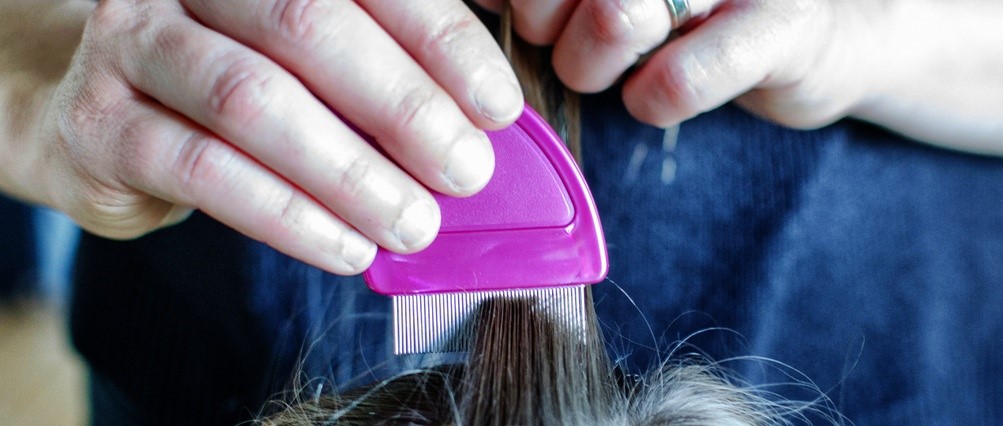
Volta às aulas: como verificar se seu filho tem piolhos e lêndeas
Head lice and nits are very common in young children. According to the British Association of Dermatologists, the beginning of the autumn school term is when they are most likely to start. So if your child comes home from school with an itchy head, how can you check that these bugs are the cause?
por Lydia Smith
Saúde infantil
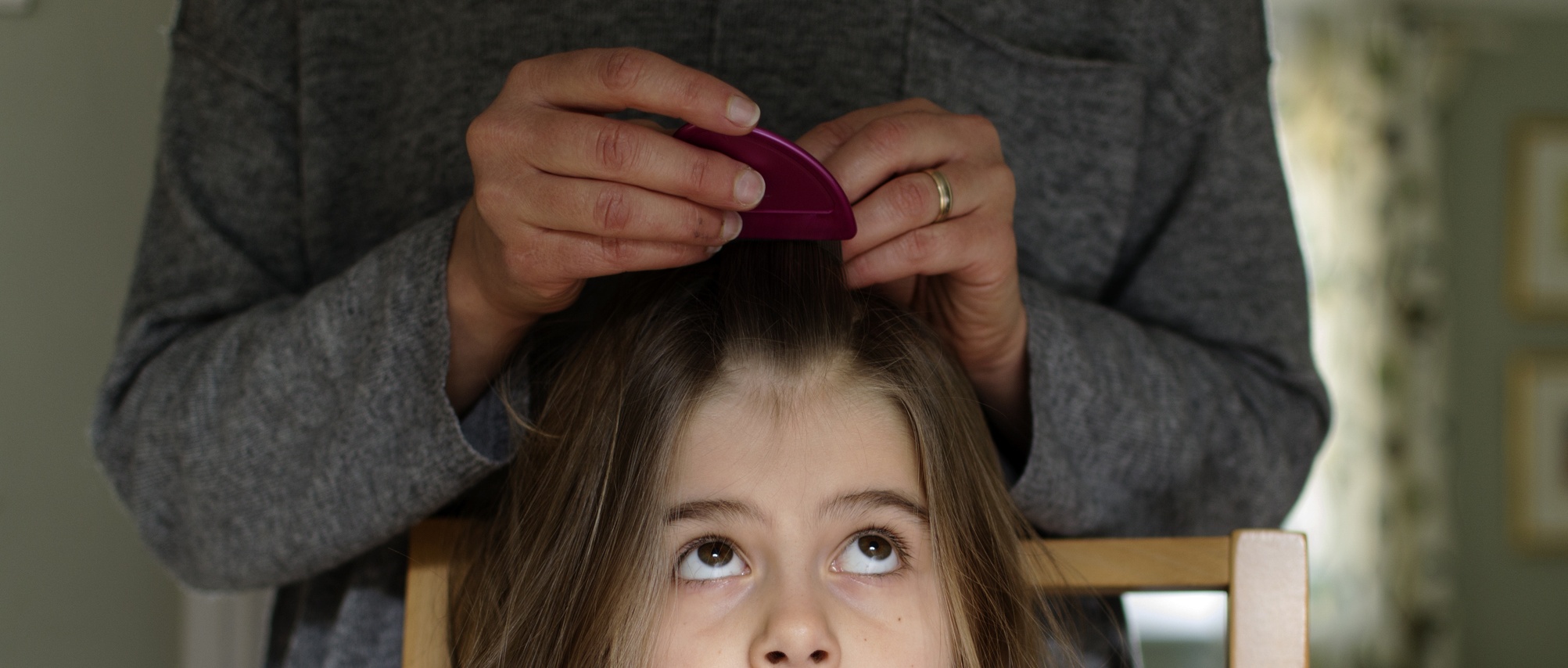
As melhores maneiras de se livrar dos piolhos
They’re difficult to spot and are becoming increasingly difficult to treat; almost 50% of children in the UK have had head lice in the past five years. But don’t despair – the battle might be getting harder, but you can still win the war against head lice.
por Danny Chadburn
Sobre o autor
Autoria de

Danny Chadburn
Chefe de Conteúdo
Danny foi o anterior Chefe de Conteúdo na Patient.
Sobre o revisorVer biografia completa

Dra. Sarah Jarvis
Consultora Clínica
MA (Cantab), BM, BCh (Oxon), DRCOG, FRCGP, MBE
Após se formar em medicina em Cambridge e Oxford, a Dra. Sarah Jarvis MBE tornou-se médica de clínica geral.
Histórico do artigo
Artigo também disponível em Inglês, Alemão, Espanhol, Francês, Italiano, Português, Hindi, Hebraico, Árabe, e Sueco.
27 Set 2017 | Publicado originalmente
Escrito por:
Danny Chadburn
Revisado por
Dra. Sarah Jarvis
Participe da conversa
Compartilhe seus pensamentos ou experiências com outros em nosso comunidades de pacientes.

Pergunte, compartilhe, conecte-se.
Navegue por discussões, faça perguntas e compartilhe experiências em centenas de tópicos de saúde.

Sentindo-se mal?
Avalie seus sintomas online gratuitamente
Inscreva-se no boletim informativo do Patient
Sua dose semanal de conselhos de saúde claros e confiáveis - escritos para ajudá-lo a se sentir informado, confiante e no controle.
Ao se inscrever, você aceita nossos Política de Privacidade. Você pode cancelar a inscrição a qualquer momento. Nunca vendemos seus dados.