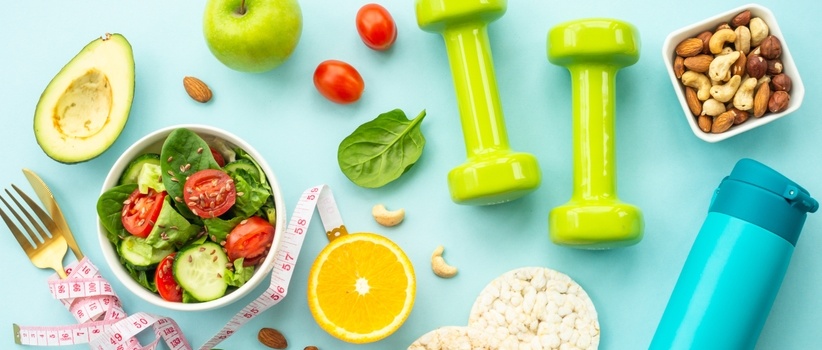
8 dicas para ajudar a reduzir o risco de câncer em qualquer idade
Revisado por Dr Colin Tidy, MRCGPÚltima atualização por Lawrence HigginsÚltima atualização 27 de ago de 2025
Atende aos diretrizes editoriais
- BaixarBaixar
- Compartilhar
- Language
- Discussão
- Versão em Áudio
- Adicionar às fontes preferidas no Google
Cancer in people under 50 has been increasing since the 1990s - and has risen by 79% over the last thirty years. Changes in diet and other lifestyle factors are playing a big part in this rise.
We explore the lifestyle habits thought to be most important in reducing your risk of cancer.
Explore medically supported weight management
Obtenha aconselhamento especializado em saúde no conforto da sua casa. Faça uma consulta online rápida, disponível 24 horas por dia, 7 dias por semana, e tenha o seu pedido avaliado por um profissional de saúde registado no Reino Unido. Entrega no dia seguinte disponível para tratamentos elegíveis.

"Nunca foi tão importante tomar medidas ativamente para reduzir seu risco de câncer", diz Heather Mackey, diretora sênior de prevenção e detecção precoce do câncer para a Prevent Cancer Foundation. "Acredita-se que até 40% dos cânceres estejam relacionados a fatores de estilo de vida que podemos controlar."
Cancer before your fifties
Developing câncer before you are 50 years of age is called early-onset cancer. While this currently only accounts for around 1 in 10 of all cancer cases, the rate at which early-onset cancer is increasing is raising the alarm among health professionals1.
Scientists still have a lot to learn about how and why cancer develops in some people and not others. However, it's becoming increasingly apparent that - for certain cancers at least - your lifestyle makes a big difference.
O câncer é a principal causa de morte em países de alta renda, como o Reino Unido e os EUA, sendo responsável por duas vezes mais mortes do que doenças cardiovasculares (DCV) — que sabemos estar intimamente relacionadas ao nosso modo de vida,2,3.
Cancer prevention and your lifestyle choices
Lifestyle choices do not exist in a bubble - they play an important role in health and disease in your body. By making healthy changes to these aspects of your life, you may be able to reduce your chances of developing cancer.
1. Avoiding obesity
A obesidade também está aumentando entre os jovens adultos, e isso também pode explicar parcialmente o aumento nos casos de câncer de início precoce. Entre 2009 e 2020, a porcentagem de adultos com obesidade na faixa de 20 a 44 anos aumentou de cerca de 33% para 41% nos EUA4.
Obesidade is linked to at least 13 different types of cancer - throat (oesophageal), breast, ovarian, gallbladder, stomach, kidneys, liver, endometrial, pancreatic, thyroid, multiple myeloma, meningioma, and colorectal.
Obesity causes long-lasting inflammation and abnormal levels of substances like insulin and sex hormones. These problems can cause cancer to grow and spread.
Heather Mackey diz: "Manter uma alimentação saudável e praticar pelo menos 30 minutos de atividade física pelo menos 5 dias por semana pode fazer uma grande diferença."
2. Supporting your gut
Your gut is home to millions of tiny microorganisms. The good bacteria benefit you while bad gut bacteria can cause damage and disease. Their balance - partly influenced by what you eat - is now thought to be connected to your cancer risk.
According to Mackey, this is an exciting area of research. There's a connection between your diet, the existence of a toxin called LPS that's produced by the bacteria in your gut, and a resultant immune system response that could lead to cancerous cells.
"As LPS causes inflammation, it can lead to increased cell growth and division, says Mackey. "Some research in cells show that, as well as creating tumours, it also promotes the spread of cancer - called metastasis."
"The full implications of the link between gut bacteria and cancer - and how it may be measured or treated - are not yet known," adds Mackey.
Still, there's mounting research for the general benefits of taking suplementos probióticos, although it is recommended first and foremost to focus on the foods you eat. To promote a healthy gut, follow a healthy, balanced diet that includes alimentos probióticos, and limit ultra-processed junk foods.
3. Following an anti-inflammatory diet
Inflammation is a normal short-term response by the body to injury or infection. But long-term (chronic) inflammation, which can be caused by unhealthy lifestyle habits including your diet, can cause cell damage.
Following an dieta anti-inflamatória is an overall healthy lifestyle diet that involves eating foods that fight long-lasting inflammation, while avoiding the ones that trigger it.
Mackey diz:
Eat lots of:
Fruits and vegetables - all types.
Beans - all types but limit processed baked beans in sauce.
Unrefined whole grains - like brown rice and oats.
Lean proteins - like oily fish and chicken.
Limit your consumption of:
Red meat - like beef and pork.
Foods high in salt or sugar - like ultra-processed fast and fried foods.
Cut out or reduce from your diet:
Processed meats - like burgers and sausages
Drinks with added sugar - like fruit juices.
Alcohol - all types.
"É melhor evitar o álcool completamente para reduzir o risco de câncer. Quanto mais você beber, maior será o risco de câncer — até pequenas quantidades podem levar ao câncer."
4. Mover-se com frequência e manter-se ativo
Exercício físico é outro fator importante para prevenir a obesidade e, portanto, reduzir o risco de câncer5:
Exercising a lot - holds the strongest evidence for reducing your risk of cancers of the bladder, breast, uterus, colon, throat, and stomach.
Spending a lot of time being still - known as sedentary behaviour, this contributes to colon, uterus, and lung cancers.
Physical inactivity, sedentary behaviour, and obesity can increase your risk of cancer partly due to their effect on inflammation, metabolic hormones, insulin sensitivity, and sex steroids in your body.
Mackey diz: "Pratique pelo menos 30 minutos de atividade física pelo menos cinco dias por semana para fazer uma grande diferença na sua saúde e bem-estar geral. Adicione exercícios à sua rotina para reduzir o estresse, aumentar a energia, fortalecer seu sistema imunológico, controlar seu peso e reduzir o risco de câncer."
5. Gerenciando seu estresse
It's usual to feel stressed every now and then, but it is not yet fully understood how estresse prolongado pode afetar o risco de câncer in people. Currently, animal models have shown that there could be an increased risk but these have not been seen in human research studies.
A relação pode ser indireta. Por exemplo, pessoas que vivem sob estresse contínuo têm maior probabilidade de desenvolver hábitos pouco saudáveis, como consumir álcool, fumar e comer em excesso. Esses hábitos, por sua vez, são fatores de risco para alguns tipos de câncer6.
6. Combate às infecções
Infections, including viruses, bacteria, parasites, and fungi, are all linked to cancer. According to Mackey, vaccinations are one of the most effective ways to avoid preventable cancers caused by the following:
Hepatite B e C (HBV e HCV)
Mackey diz: "Hepatitis B and C are the leading causes of liver cancer. There are vaccinations contra hepatite B, e testes e tratamentos estão disponíveis para hepatite B e C. A vacina contra hepatite B é recomendada para todas as crianças e adultos até 59 anos, bem como para adultos com 60 anos ou mais que estejam em alto risco de infecção por hepatite B."
Human Papillomavirus (HPV)
Mackey diz: "HPV been linked to cervical, anal, oropharyngeal, penile, vaginal, and vulvar cancers. These cancers are largely preventable with the Vacinação contra o HPV. Todas as crianças devem tomar a vacina contra HPV entre 9 e 12 anos, e adolescentes mais velhos e jovens adultos de 13 a 26 anos que não foram vacinados podem fazer uma série de reforço da vacinação."
Outras formas de evitar infecções
There are many infections that can't be prevented through vaccines. So how can you reduce your number of lifetime infections? It's not always possible to avoid them. In fact, many are a normal part of life for humans. But you can bolster your body's ability to overpower them.
Consuma alimentos que apoiam seu sistema imunológico - foods rich in vitamin C, vitamin A, fermented foods, and antioxidant rich herbs like ginger and turmeric help to keep your immune system strong so it can fight infection.
Adote uma boa higiene - different bacteria and viruses spread in different ways, but general tips include washing your hands frequently and ventilating areas you share with people who are ill.
Practise safer sex - can help you avoid sexually transmitted infections (STIs) like human immunodeficiency virus (HIV). "While HIV doesn't appear to directly cause cancer, it causes long-term inflammation and suppresses the immune system. In this way, it's associated with having a greater cancer risk, particularly for cancers like Non-Hodgkin's lymphoma and cervical cancer," says Mackey.
7. Protecting against sun exposure
Os casos de câncer de pele têm aumentado constantemente no Reino Unido, e os casos de melanoma, câncer de pele potencialmente fatal, estão no seu maior nível de todos os tempos, com 17.500 casos registrados em 20237.
Ultraviolet (UV) light from the sun can cause skin cancer, so the best way to stay safe when in the sun is to apply a high sun protection factor (SPF) cream - at least SPF 30, or SPF 50 if you're pale and freckled.
You should also protect yourself from the sun by:
Always avoid burning, and ideally tanning - this includes sun beds, which emit UV light.
Stay out of the sun in summer when it’s at its strongest. - between 11am and 3pm.
Cover up in the sun with a wide-brimmed hat.
Wear sun protection sunglasses - cancer can also develop in your eyes.
8. Parar de fumar tabaco
Cigarette smoke includes over 50 known substances that can cause cancer. The main threat is câncer de pulmão, which kills around 30,000 people in the UK every year.
However, smoking is also linked to many other cancers, including cancer of the boca, throat, nose, larynx, gullet, pancreas, bexiga, cervical, kidney, and leukaemia.
Smoking is addictive and not easy to quit - but it is possible. There’s helpful advice and canais de apoio to help, as well as medicines your doctor may recommend to increase your chance of giving up.
"Nunca é tarde demais para parar", diz Mackey. "Se precisar de ajuda, converse com seu farmacêutico ou médico."
Leitura adicional
Explore medically supported weight management
Obtenha aconselhamento especializado em saúde no conforto da sua casa. Faça uma consulta online rápida, disponível 24 horas por dia, 7 dias por semana, e tenha o seu pedido avaliado por um profissional de saúde registado no Reino Unido. Entrega no dia seguinte disponível para tratamentos elegíveis.
Escolhas do paciente para Informações sobre o câncer
Câncer
Seu checklist essencial para câncer de pele
O câncer de pele pode ser fatal, por isso é essencial conhecer os sinais e consultar rapidamente qualquer alteração suspeita na pele. Aqui mostramos o que procurar e o que fazer para tentar prevenir que isso aconteça.
por Victoria Raw
Câncer
Sintomas de câncer que você nunca deve ignorar
Quando se trata de sintomas médicos inexplicáveis, é fácil enterrar a cabeça na areia e ignorá-los, especialmente se forem um pouco embaraçosos de discutir. Mas verificá-los com um médico pode acabar salvando sua vida. Aqui estão os sintomas de câncer que você nunca deve ignorar.
por Lynn Stephen
Sobre o autorVer biografia completa
Atualizado por

Lawrence Higgins
Editor-chefe
Bacharelado em Ciências, Diploma de Pós-Graduação
Lawrence trabalhou como editor-chefe do Patient.info e também como autor colaborador. Ele também é membro da Guilda dos Redatores de Saúde.
Autoria de

Amberley Davis
Escritor sênior
BA (Hons), CPD
Amberley é uma escritora sênior na Patient e escreveu extensivamente sobre uma variedade de tópicos de saúde e bem-estar.
Sobre o revisorVer biografia completa

Dr Colin Tidy, MRCGP
Médico Generalista, Autor Médico
MBBS, MRCGP, MRCP (Paediatrics), DCH
Dr Colin Tidy é um médico do NHS, baseado em Oxfordshire.
Histórico do artigo
Artigo também disponível em Inglês, Alemão, Espanhol, Francês, Italiano, Português, Hindi, Hebraico, Árabe, e Sueco.
Próxima revisão agendada: 27 de ago de 2028
27 de ago de 2025 | Última versão
21 de maio de 2024 | Publicado originalmente
Escrito por:
Amberley Davis
Participe da conversa
Compartilhe seus pensamentos ou experiências com outros em nosso comunidades de pacientes.

Pergunte, compartilhe, conecte-se.
Navegue por discussões, faça perguntas e compartilhe experiências em centenas de tópicos de saúde.

Sentindo-se mal?
Avalie seus sintomas online gratuitamente
Inscreva-se no boletim informativo do Patient
Sua dose semanal de conselhos de saúde claros e confiáveis - escritos para ajudá-lo a se sentir informado, confiante e no controle.
Ao se inscrever, você aceita nossos Política de Privacidade. Você pode cancelar a inscrição a qualquer momento. Nunca vendemos seus dados.