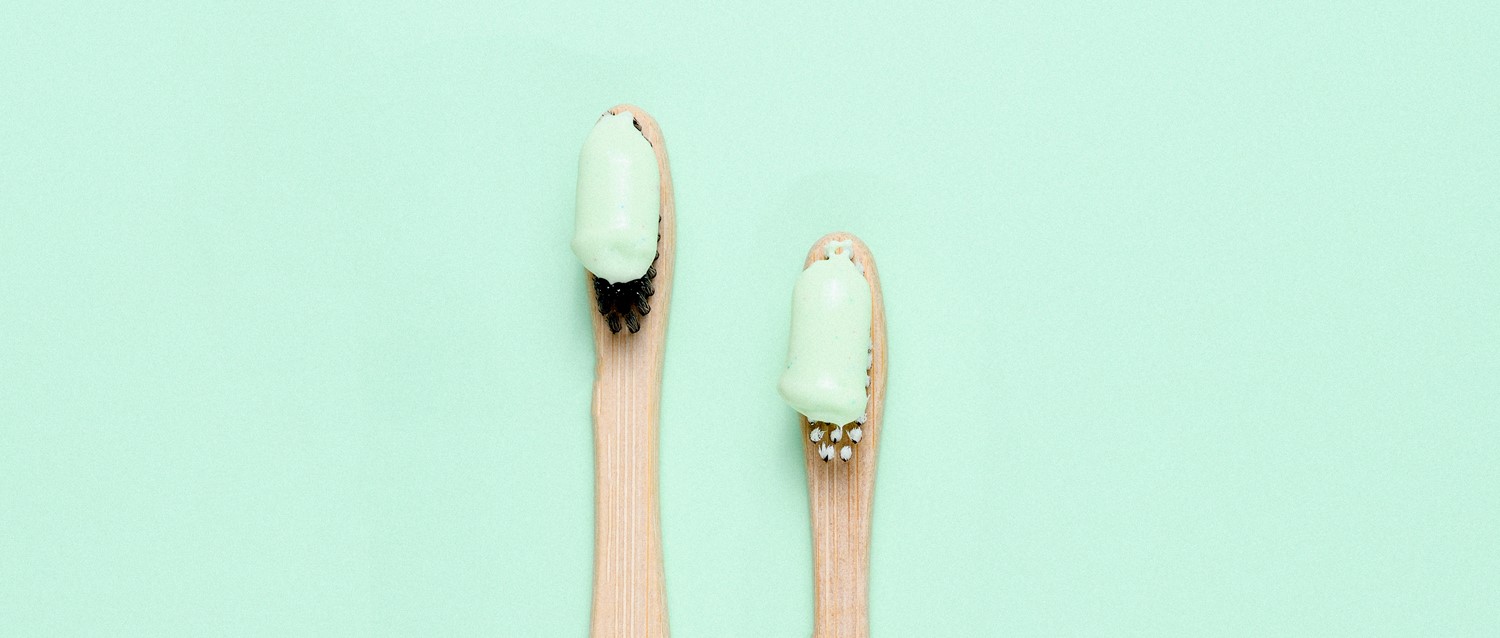
Químico encontrado em sabonetes e pastas de dente ligado à osteoporose
Revisado por Natalie HealeyAutoria de Milly EvansPublicado originalmente 26 de jun de 2019
Atende aos diretrizes editoriais
- BaixarBaixar
- Compartilhar
- Language
- Discussão
- Ask Patient
- Versão em Áudio
- Adicionar às fontes preferidas no Google
Novas pesquisas mostram uma ligação entre uma substância química usada em alguns sabonetes, cremes dentais e produtos antibacterianos, e osteoporose.
Escolhas de vídeos para OsteoporoseBiblioteca de vídeos
The study, published in the Journal of Clinical Endocrinology, looked at the levels of the chemical triclosan in the urine of 1,848 women, finding that those with higher levels were more likely to have bone issues. The evidence was stronger in postmenopausal women than in premenopausal women. The chemical has previously been linked to câncer de intestino e resistência aos antibióticos.
Triclosan is an antibacterial and antifungal agent which is added to some soaps, body washes and cosmetics but can also be found in clothing, kitchenware, toys and furniture.
Some big companies like Unilever have stopped putting triclosan in their products and the US Food and Drug Administration (FDA) has gone as far as to ban the chemical from consumer soaps and hand sanitiser and antiseptic products used in hospitals. It has not yet been banned in the UK.
Osteoporose is the loss of bone density. This makes bones more prone to fracture. It is usually observed in older people but can affect people of all ages.
Co-author of the study, Dr Yingjun Li of Hangzhou Medical College School of Public Health in Hangzhou, China, said: "Laboratory studies have demonstrated that triclosan may have potential to adversely affect the bone mineral density in cell lines or in animals. However, little is known about the relationship between triclosan and human bone health."
Previous studies have shown a link between poor bone health and triclosan in mice but it is believed that this is the first of its kind in humans, explains Li. "As far as we know, this is the first epidemiological study to investigate the association between triclosan exposure with bone mineral density and osteoporosis in a nationally representative sample from US adult women."
This study was published in the Journal of Clinical Endocrinology.
Escolhas do paciente para Osteoporose
Ossos, articulações e músculos
Químico encontrado em sabonetes e pastas de dente ligado à osteoporose
Novas pesquisas mostram uma ligação entre uma substância química usada em alguns sabonetes, cremes dentais e produtos antibacterianos, e osteoporose.
por Milly Evans
Ossos, articulações e músculos
Por que a menopausa pode causar osteoporose
Osteoporosis, or thinning of the bones, is sometimes called the ‘silent epidemic’. It’s very common but you may not know you have it until you break a bone. A healthy lifestyle can help avoid it, but you need to know if you’re at risk.
por Dra. Sarah Jarvis
Sobre o autorVer biografia completa
Autoria de

Milly Evans
Editora
Milly escreve sobre uma variedade de tópicos de saúde, com um interesse particular em desigualdade na saúde e saúde sexual.
Sobre o revisorVer biografia completa

Natalie Healey
Jornalista freelancer
Bacharelado (Hons) em Ciências Biomédicas
Ela é uma jornalista de saúde baseada em Londres que escreve sobre ciência e medicina há vários anos. Ela é a ex-chefe de redação da Patient.
Histórico do artigo
Artigo também disponível em Inglês, Alemão, Espanhol, Francês, Italiano, Português, Hindi, Hebraico, Árabe, e Sueco.
26 de jun de 2019 | Publicado originalmente
Escrito por:
Milly EvansRevisado por
Natalie Healey
Compartilhe seus pensamentos ou experiências com outros em nosso comunidades de pacientes.
Inscreva-se no boletim informativo do Patient
Sua dose semanal de conselhos de saúde claros e confiáveis - escritos para ajudá-lo a se sentir informado, confiante e no controle.
Ao se inscrever, você aceita nossos Política de Privacidade. Você pode cancelar a inscrição a qualquer momento. Nunca vendemos seus dados.