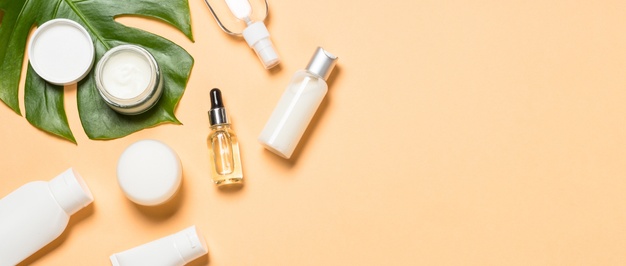
Neurocosméticos: uma mudança cerebral para sua saúde?
Revisado por Dr Colin Tidy, MRCGPAutoria de Victoria RawPublicado originalmente 7 de janeiro de 2026
Atende aos diretrizes editoriais
- BaixarBaixar
- Compartilhar
- Language
- Discussão
- Versão em Áudio
- Adicionar às fontes preferidas no Google
Neurocosméticos são produtos de cuidados com a pele que ganharam destaque no mundo do bem-estar por sua suposta capacidade de promover o saúde mental. Ao interagir com o sistema nervoso da sua pele, esses produtos afirmam afetar positivamente seu humor e estado emocional. Para os entusiastas da beleza, isso pode parecer a fusão definitiva entre cuidados com a pele e autocuidado - mas será que é bom demais para ser verdade? Vamos ver o que um especialista tem a dizer e se há ciência de verdade por trás do hype.
Neste artigo:
Escolhas de vídeos para Skincare
Continue lendo abaixo
What are neurocosmetics?
The idea of putting something on your skin to influence how you feel seems almost futuristic. However, as Dr Hazel Parkinson of Dr Hazel Skin Solutions explains, the biology behind what she calls ‘psychodermatology’ and the skin’s neuroendocrine system - which translates brain signals into chemical responses - is very real.
“Neurocosmetics are designed to interact with the skin’s nerves and signaling systems to reduce unpleasant sensations - such as stinging, itching, burning - or improve comfort and wellbeing,” describes the Long Itchington-based GP.
She adds, however, that the clinical evidence for many neurocosmetic ingredients is limited.
“So far, it remains partly ahead of the evidence,” she says. “Far more high-quality research is needed to prove whether these products really do what they promise.”
How does your skin ‘talk’ to your brain?
Your skin and brain are in constant conversation, and they connect in three key ways that affect how your skin feels and behaves.
Parkinson highlights the three primary pathways involved:
Nervos - your skin is packed with nerves. Certain nerve endings release chemicals that can cause redness, itching, or swelling. These signals travel to your brain, affecting how you perceive sensations and respond to stress.
Hormônios - your skin has its own mini stress system. Skin cells can produce and respond to stress hormones such as cortisol. When overall stress is high, cortisol can weaken your skin barrier and slow repair.
Immune system - immune cells in your skin interact with nerves. Stress can trigger these cells to react, worsening conditions such as eczema, urticária, or flushing.
Why it matters: Calming nerve activity and supporting your skin barrier may help reduce stinging, redness, and flare-ups.
Why does our skin sometimes flare up under stress?
Voltar ao conteúdoUnder stress, your brain triggers your body’s stress response, which raises cortisol and other stress chemicals.
According to Parkinson, this can:
Weaken your skin barrier - making it more sensitive and prone to water loss.
Increase nerve-driven inflammation - causing redness and itch.
Activate your immune system - contributing to cicatrizes de acne, eczema, or psoriasis flare-ups.
Change behaviours - such as sono, diet, or skin-picking, which can worsen breakouts.
Continue lendo abaixo
So, can soothing your skin really calm your mind?
Voltar ao conteúdoSome clinical studies suggest that boosting skin comfort and barrier health can lead to better sleep and less itching or irritation.
Parkinson points out that there’s still limited evidence that sensory-only skincare can reliably impact mood, anxiety, or brain activity.
Por exemplo:
A small trial in people with atopic dermatitis found that using emollients reduced itching and improved sleep compared with those who didn’t.
An exploratory study of a fragranced skin cream reported improved self-reported wellbeing in participants with sensitive skin - though it lacked blinding and biomarker measurements.
In short, there are encouraging signs, but the evidence remains far from conclusive.
Ingredients and sensory effects that may calm your skin
Some ingredients work directly on the skin’s nerves, while others rely on sensory effects - such as texture, cooling, or fragrance.
Parkinson outlines those that could help.
Ingredients that may calm nerves:
TRP-channel modulators - such as low-dose capsaicin or menthol can reduce stinging, itching, or heat sensations.
Niacinamide - supports the skin barrier and reduces inflammation, which may indirectly soothe nerves.
Peptides and plant extracts - are often marketed as ‘neuro-soothing,’ though strong independent evidence is limited.
Sensory effects:
Smooth textures - reduce friction and irritation.
Cooling gels or lightweight creams - can make your skin feel less hot or stingy.
Fragrances - may promote relaxation via smell, but can irritate sensitive skin. Fragrance-free is safer for eczema or very reactive skin.
“Both approaches may help,” Parkinson explains. “But for sensitive or reactive skin, repairing the barrier and avoiding irritants are the most important steps.”
Are neurocosmetics just a soothing self-care experience?
Voltar ao conteúdoIn conclusion, further clinical trials are needed to confirm whether neurocosmetics truly influence both skin condition and emotional wellbeing.
“A topical cream isn’t going to meaningfully rewire your brain chemistry in a medical sense,” says Parkinson. “Almost none of it is absorbed into the body. However, creams can influence nerve signals from your skin and scent-related inputs, which can affect perception, comfort, and stress responses.
“I’d frame neurocosmetics as well-designed sensory self-care products that may help reduce skin discomfort and promote relaxation - not as medical treatments for mental health.”
Escolhas do paciente para Skincare
Saúde da pele, unhas e cabelos
Como cuidar da sua pele no inverno
Para a maioria de nós no hemisfério norte, o frio do inverno está realmente presente, e a menos que você vá para um lugar onde o sol esteja brilhando, levará alguns meses até sentir os raios quentes na sua pele novamente. Mas o inverno pode causar muitos problemas na sua pele, levando a coceira, irritação e até infecções. Portanto, há ainda mais motivos do que no verão para cuidar da sua pele com carinho regularmente.
por Lynn Stephen
Cuidados orais e dentários
Como cuidar dos lábios rachados neste inverno
Os meses de inverno podem causar estragos em nossos lábios, deixando-os secos, escamosos e doloridos. Então, por que essa época do ano causa lábios rachados - e há algo que possamos fazer para evitá-los?
por Victoria Raw
Continue lendo abaixo
Sobre o autorVer biografia completa

Victoria Raw
Redatora de Reportagens
BA (Hons), Literatura Inglesa
Victoria é uma redatora de conteúdo na Patient, cujos interesses especiais se concentram no bem-estar mental, nas tendências sociais e no impacto da tecnologia em nossa saúde.
Sobre o revisorVer biografia completa

Dr Colin Tidy, MRCGP
Médico Generalista, Autor Médico
MBBS, MRCGP, MRCP (Paediatrics), DCH
Dr Colin Tidy é um médico do NHS, baseado em Oxfordshire.
Histórico do artigo
As informações nesta página são revisadas por pares por clínicos qualificados.
Próxima revisão prevista: 7 Jan 2029
7 de janeiro de 2026 | Publicado originalmente
Escrito por:
Victoria RawRevisado por
Dr Colin Tidy, MRCGP

Pergunte, compartilhe, conecte-se.
Navegue por discussões, faça perguntas e compartilhe experiências em centenas de tópicos de saúde.

Sentindo-se mal?
Avalie seus sintomas online gratuitamente
Inscreva-se no boletim informativo do Patient
Sua dose semanal de conselhos de saúde claros e confiáveis - escritos para ajudá-lo a se sentir informado, confiante e no controle.
Ao se inscrever, você aceita nossos Política de Privacidade. Você pode cancelar a inscrição a qualquer momento. Nunca vendemos seus dados.