What causes itchy skin?
Peer reviewed by Dr Colin Tidy, MRCGPAuthored by Dr Sarah JarvisOriginally published 9 Aug 2018
Meets Patient’s editorial guidelines
- DownloadDownload
- Share
- Language
- Discussion
- Audio Version
- Add to preferred sources on Google
Who hasn't experienced the blessed relief of scratching an itch? Everyone itches now and again, usually due to insect bites, eczema, allergy, or irritation from something they've touched. But occasionally itching can be a sign of more serious illness - so how can you tell the difference?
Common causes of itching
Itching is a symptom, not a medical condition. It's usually caused by a stimulus in your skin. For instance, with insect bites you're reacting to saliva injected at the site of the bite. With nits, you can develop an allergy to the head lice (the itching isn't due to them biting). If a local cause is to blame, you'll usually have a rash.
Sometimes, though, a sensation of itching comes from messages sent by your brain - these tend to cause itching all over your body. For instance, jaundice (caused by liver problems) and chronic kidney disease can both cause itching. However, if you feel otherwise well and don't have any other symptoms like yellow skin or severe tiredness, this is unlikely. If you've recently started a new medicine and develop itching, speak with your pharmacist or GP
Dermatitis is the medical term for any inflammation of the skin. Eczema, commonly found in children, is a kind of dermatitis. It causes dry, inflamed skin and sometimes intense itching. In children, it's most commonly seen on the front of the elbows and the backs of the knees. Anyone can get 'irritant dermatitis' from chemicals (eg, in cleaning fluids, detergents, some plants) - this most commonly affects your hands, as they're most often in contact with the chemicals.
'Contact dermatitis' is caused by allergy to whatever you touch. The tiniest contact can cause an itchy, inflamed red rash. Nickel jewellery or belt studs, cosmetics and preservatives in creams can all be to blame. You may need a referral for 'patch testing' to see what the culprit is, and must avoid all contact in future.
A very serious allergic reaction called anaphylaxis causes sudden, intense all-over itching as well as swelling of your lips/tongue/throat, shortness of breath, palpitations, and collapse. Causes include food (especially nuts), insect stings and medicines. It's not common but definitely a medical emergency.
What treatments can relieve itching?
Treatment very much depends on the cause. For instance, if you have all-over itching, your doctor will do blood tests for conditions like anaemia and thyroid, kidney or liver disease. Local itchy rashes caused by allergy or inflammation often respond to steroid creams.
How to help yourself
If you do suffer from itching, there are lots of ways you can help yourself.
Tame your talons
Keep your fingernails short - it reduces damage to your skin if you do scratch an itch. Cotton gloves at night can help too.
Stay cool
You may be among the few who don't revel in the prospect of spring tripping its way brightly towards summer, as staying cool relieves itching. Lukewarm baths or showers can help. So can having separate bedclothes from your other half, so you can stay cool even if they want to snuggle under a thick duvet. Wear breathable clothes - ideally cotton - and avoid woollen clothes, especially next to your skin.
Go fragrance-free
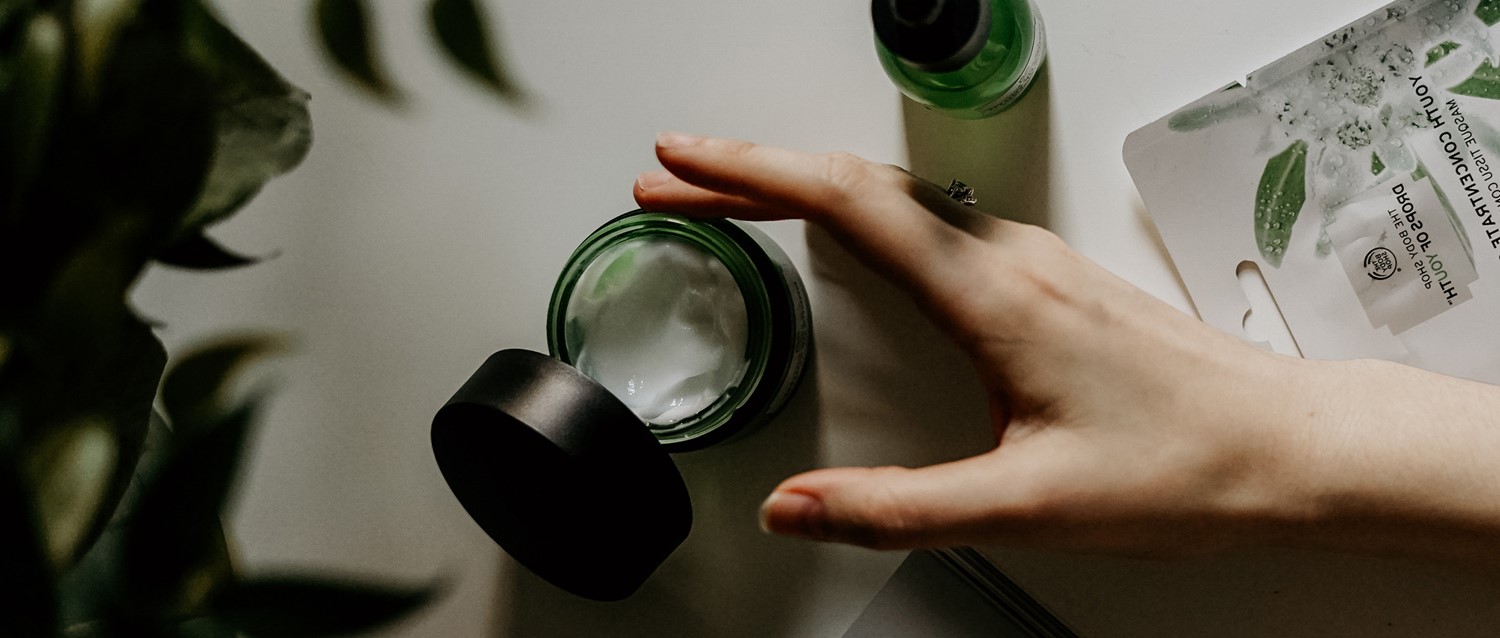
Scented bubble baths, soaps and even shampoos can irritate sensitive skin - talk to your pharmacist about a non-irritant soap substitute such as aqueous cream. Keep a small pot of this in your handbag to use when you're out if you get itchy hands.
Moisturisers are great but you may need to apply them several times a day for best effect. Water, oddly, can dry your skin out, so always put moisturisers on after bathing. Again, your pharmacist can advise on unscented ones which won't irritate your skin.
Try not to scratch!
While it can be horribly hard to resist the urge to scratch, never forget the 'itch-scratch' cycle! Scratching may seem blissful at the time, but it leads to chemicals being released under your skin which can make you feel even itchier. That chemical, by the way, is histamine - which is why antihistamine tablets can help many (but not all) types of itch so much. If itching is stopping you sleeping, a 'drowsy-making' antihistamine like chlorphenamine (Piriton) can be a good option.
With thanks to 'My Weekly' magazine where this article was originally published.
Patient picks for General skin conditions
Skin, nail and hair health
What are skin tags and how can I get rid of them?
Skin tags are very common - but when should you worry about skin tags or look into removal options? We asked a consultant dermatologist for advice.
by Victoria Raw

Skin, nail and hair health
How to stop your child catching a verruca
Verrucas are very common in children and teenagers – around one in three will get them. They’re actually warts on the feet, caused by the human papillomavirus, but they don’t look like normal warts because they’re pressed in.
by Danny Chadburn
About the authorView full bio
Authored by

Dr Sarah Jarvis
Clinical Consultant
MA (Cantab), BM, BCh (Oxon), DRCOG, FRCGP, MBE
After training in medicine at Cambridge and Oxford, Dr Sarah Jarvis MBE became a GP.
About the reviewerView full bio

Dr Colin Tidy, MRCGP
General Practitioner, Medical Author
MBBS, MRCGP, MRCP (Paediatrics), DCH
Dr Colin Tidy is an NHS Doctor, based in Oxfordshire.
Article history
Article also available in English, German, Spanish, French, Italian, Portuguese, Hindi, Hebrew, Arabic, and Swedish.
9 Aug 2018 | Originally published
Authored by:
Dr Sarah JarvisPeer reviewed by
Dr Colin Tidy, MRCGP
Join the conversation
Share your thoughts or experiences with others in our patient communities.

Ask, share, connect.
Browse discussions, ask questions, and share experiences across hundreds of health topics.

Feeling unwell?
Assess your symptoms online for free
Sign up to the Patient newsletter
Your weekly dose of clear, trustworthy health advice - written to help you feel informed, confident and in control.
By subscribing you accept our Privacy Policy. You can unsubscribe at any time. We never sell your data.