
Protegendo sua saúde sexual na universidade
Revisado por Dr Sarah JarvisÚltima atualização por Danny ChadburnÚltima atualização 24 Ago 2017
Atende aos diretrizes editoriais
- BaixarBaixar
- Compartilhar
- Language
- Discussão
- Versão em Áudio
- Adicionar às fontes preferidas no Google
Meeting new people and starting relationships is all a part of university life. But this newfound freedom brings its own risks – infecções sexualmente transmissíveis (STIs) are higher among the under-25s than any other age group, according to 2016 figures from Public Health England.
Dr Anatole Menon-Johansson, medical director of Brook, the sexual advice centre for under-25s, says, ‘This age group changes partners more frequently than any other, plus geographical mobility increases transmission rates, further raising risks for students.’
While the total number of diagnosed STIs for all ages decreased by 4% in 2016, there were still 420,000 cases in England alone. Added to that, antibiotic-resistant strains of some STIs such as gonorreia are becoming more common.
It is also important to remember that LGBTQ+ students are as just as much at risk as heterosexual students. Although it eliminates the worry of becoming pregnant, sex is so much more than just that - similar steps must be taken in order to protect yourself from the risk of STIs. No matter what you identify as, keep safe, keep protected and, most importantly, get checked.
But you can learn how to be smart about sex – without foregoing the fun.
Esteja preparado
‘Sexual health services in university towns are often super-busy in October so it’s a good idea to get tests and contraception before you go,’ says Dr Menon-Johansson.
You’ll need tests if you’ve had sex without any kind of contraception, as STIs don’t always produce symptoms and can cause long-term health problems. Clamídia, the most common STI, is symptom-free in 70% of women and at least 50% of men, and if it’s not treated, can eventually lead to fertility issues in both sexes.
‘There are also NHS-commissioned online testing providers such as SH24, which will send you a free home test and then refer you to an NHS clinic for treatment if necessary,’ says Dr Menon-Johansson.
Stock up on protection
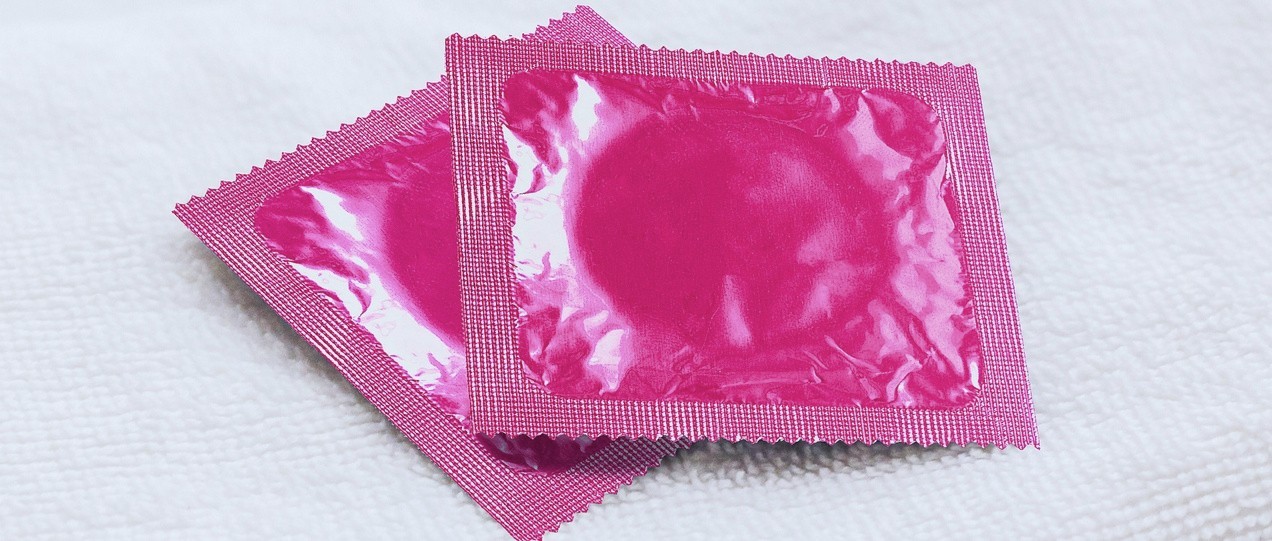
Condoms are the one of the best contraceptive method that will also protect you from STIs. You can get them free from Brook, your GP, most sexual health clinics, and through C-Card schemes.
Try the different types to see what suits you best and check how to use them correctly – you may want to practise first. Always take some out with you and keep a stash in your room so you don’t get caught out.
Another useful method of preventing STIs is a dental dam. These are primarily used for protection during oral sex and can prevent infections such as herpes. Some places give away dental dams for free, but some may charge you. If you cannot get hold of a dental dams then it is possible to make one out of a condom - Simply roll it out, cut off the tip and the ring, then cut along the length of it to make a rectangle.
Sort your protection
Contraceptive methods such condoms, and protective methods such as dams, are essential to prevent STIs, but when it comes to contraceptives – preventing pregnancy – they’re not as reliable as some other methods. Even better to maximise both contraception effectiveness and prevention of STIs is going ‘double dutch’, where a couple uses condoms as well as another (non barrier) method.
‘There’s a contraceptive failure rate in 15 out of 100 couples who use condoms alone for a year, mainly because people don’t use them correctly or consistently. This compares with less than one in 1,000 failure rate for the contraceptive implant,’ says Dr Menon-Johansson.
Other low-maintenance, highly effective methods suitable for a student lifestyle include the intrauterine system (IUS), the intrauterine device IUD and the contraceptive injection. Talk to your GP or sexual health advisor if you’d like to try one of these methods.
Escolha o momento certo
Ideally couples should have STI checks before starting a new sexual relationship. You also need to get tested if you’ve had casual sex without any protection, but the timing of your tests is key.
Dr Menon-Johansson says, ‘Infections with most of the common STIs, such as clamídia e gonorreia, can be detected after two weeks but HIV can only be detected after four weeks, and syphilis after six.’
The most common infections for young heterosexuals are clamídia, gonorreia, verrugas genitais e herpes. In men that sleep with other men, the most common include teste de HIV e sífilis , whilst vaginose bacteriana e HPV often occur in women that sleep with other women. However, anyone can catch any STI and half of those with teste de HIV in the UK are heterosexual.
Bacterial STIs such as clamídia, gonorreia e sífilis are usually treatable with antibiotics. But although the symptoms of viruses such as herpes and warts can be treated, medication can’t totally clear the viruses from your body and you may get more outbreaks months or even years later.
Know when it’s an emergency
Don’t delay a clinic visit if there’s any chance you could be pregnant. Emergency contraception (EC) can work up to five days after sex, but the sooner you get it the better. Try this online tool to estimate your pregnancy risk and find a clinic near you.
If you’ve been exposed to teste de HIV, there are prescription drugs that can reduce your risk of getting the virus if taken within three days, then every day for a month. But they are only prescribed if you’re considered to be at high risk.
Stay in control
Too much alcohol means you’re more likely to lose your judgment, get carried away in the moment, and take risks. It also increases your vulnerability to sexual assault or chances of getting crossed wires about consent, so make sure you stay in control.
And never be afraid to insist on safe sex. Any potential partner who argues about this simply does not have your best interests at heart.
Escolhas do paciente para Infecções sexualmente transmissíveis
Saúde sexual
Chamadas por um melhor acesso aos serviços de saúde sexual à medida que as taxas de DST aumentam
Um novo relatório do Public Health England (PHE) mostra um aumento nas infecções sexualmente transmissíveis (ISTs) na Inglaterra no ano passado em comparação com 2017.
por Milly Evans

Saúde sexual
Com que frequência você deve visitar uma clínica de saúde sexual para um check-up?
Em 2020, houve 318.000 diagnósticos de IST na Inglaterra, de acordo com a Public Health England. No ano passado, também houve uma redução de 10% nas consultas em serviços de saúde sexual em comparação com 2019. No entanto, a importância dos exames regulares de saúde sexual continua mais alta do que nunca.
por Emily Jane Bashforth
Sobre o autor

Danny Chadburn
Chefe de Conteúdo
Danny foi o anterior Chefe de Conteúdo na Patient.
Sobre o revisorVer biografia completa

Dra. Sarah Jarvis
Consultora Clínica
MA (Cantab), BM, BCh (Oxon), DRCOG, FRCGP, MBE
Após se formar em medicina em Cambridge e Oxford, a Dra. Sarah Jarvis MBE tornou-se médica de clínica geral.
Histórico do artigo
As informações nesta página são revisadas por pares por clínicos qualificados.
Artigo também disponível em Inglês, Alemão, Espanhol, Francês, Italiano, Português, Hindi, Hebraico, Árabe, e Sueco.
24 Ago 2017 | Última versão

Pergunte, compartilhe, conecte-se.
Navegue por discussões, faça perguntas e compartilhe experiências em centenas de tópicos de saúde.

Sentindo-se mal?
Avalie seus sintomas online gratuitamente
Inscreva-se no boletim informativo do Patient
Sua dose semanal de conselhos de saúde claros e confiáveis - escritos para ajudá-lo a se sentir informado, confiante e no controle.
Ao se inscrever, você aceita nossos Política de Privacidade. Você pode cancelar a inscrição a qualquer momento. Nunca vendemos seus dados.
Mais em saúde sexual
- Homens podem ter candidíase?
- As mulheres podem tomar Viagra?
- Os preservativos realmente causam problemas de ereção?
- A contracepção hormonal afeta sua libido?
- A pílula anticoncepcional aumenta o risco de coágulos sanguíneos?
- Primeiro tratamento injetável de longa duração para HIV aprovado
- Como uma tireoide hipoativa afeta a fertilidade
- Como o câncer pode afetar sua vida sexual
- Como lidar com um diagnóstico de herpes genital
- O sexo oral é menos arriscado do que a relação sexual?
- O seu estilo de vida está afetando sua libido?
- Preparando-se para o exame de Papanicolau como sobrevivente de violência sexual
- Saúde sexual no trabalho - os chefes deveriam fazer mais?
- Deve evitar a pílula se tiver enxaquecas?
- A verdade sobre engravidar após os 40
- Vídeo: Quais são os diferentes tipos de IST?
- O que acontece quando você visita uma clínica de saúde sexual?
- Como é viver com HIV hoje
- Qual é o futuro da contracepção?
- Quando voltarei a ser fértil após parar a contracepção?