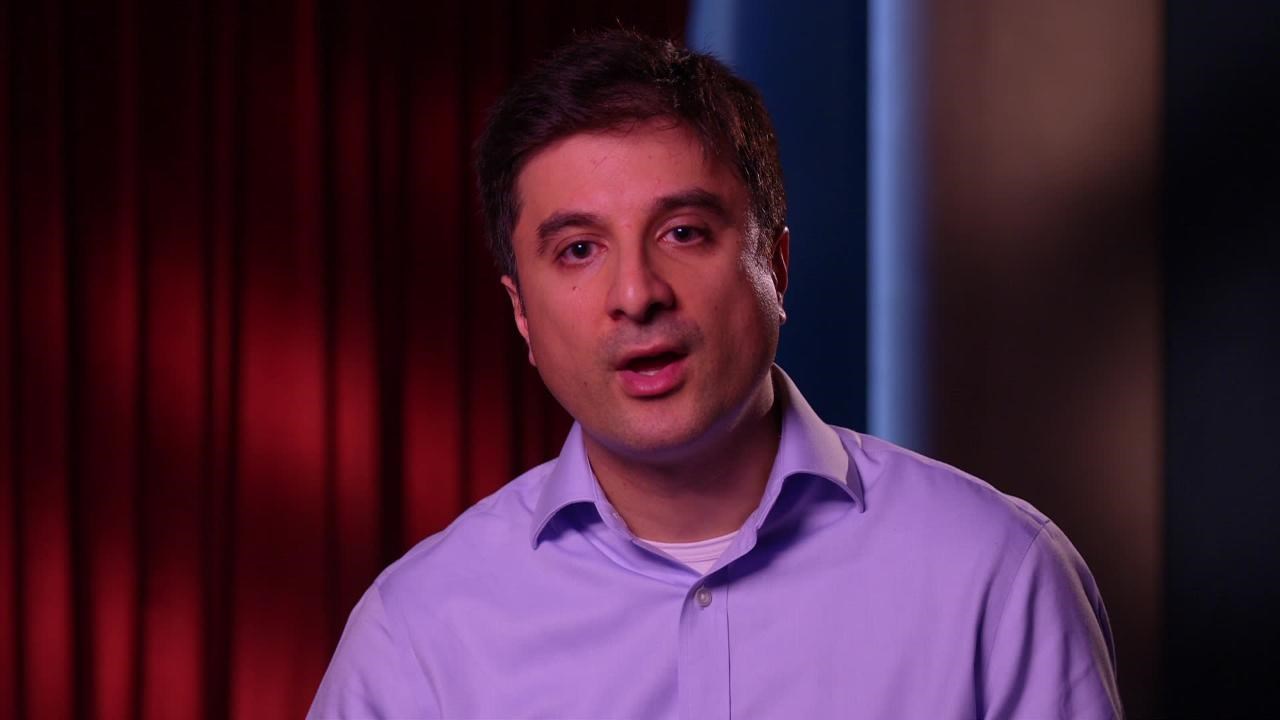
Vídeo: O que acontece durante um ataque cardíaco?
Revisado por Dr Sarah JarvisAutoria de Dr. Yassir Javaid, MRCGPPublicado originalmente 23 Nov 2017
Atende aos diretrizes editoriais
- BaixarBaixar
- Compartilhar
- Language
- Discussão
- Ask Patient
- Versão em Áudio
- Adicionar às fontes preferidas no Google
Heart attacks are common, but much misunderstood by both those who have them and those first on the scene. We've gathered some experts on the subject to help you understand what a ataque cardíaco is and how to reduce the risk of them happening.
Lista de reprodução: Heart Attack Q&A
6 vídeos
O que acontece durante um ataque cardíaco?
Dr Yassir Javaid, MRCGP
O que acontece durante um ataque cardíaco?
Dr. Yassir Javaid, MRCGP

How do you reduce the risk of a heart attack?
Dr. Yassir Javaid, MRCGP

Indigestão é um sinal de ataque cardíaco?
Dr. Yassir Javaid, MRCGP

O que causa dor no lado esquerdo do seu peito?
Dr. Yassir Javaid, MRCGP

Why do I get chest pain after eating?
Dr. Yassir Javaid, MRCGP

Can heart disease run in the family?
Dr. Yassir Javaid, MRCGP
O que acontece durante um ataque cardíaco?
Dr. Yassir Javaid, clínico geral e especialista em cardiologia
When you have a heart attack that means that there has been a sudden blockage in one of your coronary arteries and the coronary arteries are the blood vessels that supply the heart muscle with oxygen.
We know the heart is full of blood, but it’s actually the coronary arteries that give that to the heart muscle. In a heart attack situation the heart muscle or part of heart muscle is being deprived of oxygen and will ultimately die. The main symptoms would be a pretty sudden onset chest discomfort, often described as a heaviness or tightness which can spread to the arms or even the neck or jaw.
How do you reduce the risk of a heart attack?
Dr. Yassir Javaid, clínico geral e especialista em cardiologia
There are lots of things you can do to reduce your risk of having a heart attack. One of the most important things if you’re a smoker is please quit and seeing your GP can really help.
Try to be more active and have a heart healthy diet, something like the dieta mediterrânea because we know that can really reduce your risk of high blood pressure, high cholesterol and of course developing diabetes tipo 2.
Indigestão é um sinal de ataque cardíaco?
Dr. Yassir Javaid, clínico geral e especialista em cardiologia
Indigestão is by definition pain that comes from the stomach, the oesophagus or gullet often from acid reflux. However in some patients, particularly if you’re over the age of 75, if you’re a woman or if you have diabetes, it can be difficult to distinguish heart pain from indigestion.
It’s really important if you’re not sure about the pain that you’re getting to see a doctor to help distinguish what type of pain you are experiencing.
O que causa dor no lado esquerdo do seu peito?
Dr. Yassir Javaid, clínico geral e especialista em cardiologia
There are many causes of left sided chest pain. Most people would be worried about their heart, but surprisingly most pain on the left side of the chest is not from the heart because heart pain usually causes a central chest tightness or heaviness. Not a sharp or stabbing pain that is usually due to a muscle tweaking on the chest wall.
Any problem with the lung and in particular the lining of the lung can cause left sided chest pain and indigestion can often also cause pain on the left side of the chest.
Why do I get chest pain after eating?
Dr. Yassir Javaid, clínico geral e especialista em cardiologia
Chest pain after eating can be due to pain from the heart, particularly if you’ve eaten a large heavy meal that can put a lot of strain on the heart because of the energy required to digest that meal.
But it’s gonna be far more likely to be due to indigestion. When you eat a meal acid is often produced in the stomach that can cause symptoms of pain lower down in your chest and that acid can sometimes reflux back into your gullet and that can cause pain behind your breast bone.
Doenças cardíacas são comuns na família?
Dr. Yassir Javaid, clínico geral e especialista em cardiologia
Heart disease can run in families. The evidence suggests that you don’t inherit a risk of having heart disease, but you may for most people inherit the risk factors or the tendency to have risk factors of heart disease, like having a pressão alta or developing diabetes tipo 2.
It’ll be very very rare for any particular individual to not have a family member, because heart disease is so common, who has experienced heart disease. What is much more concerning however is that individual who has a strong family history of early heart disease. I think if you’ve had any family member who’s had a heart problem below the age of 55 in a male or 65 in a female you should get your risk factors checked out at an early stage with your GP.
Escolhas do paciente para Infarto

Saúde do coração e vasos sanguíneos
Ter um ataque cardíaco quando você é jovem
Os ataques cardíacos são geralmente considerados um problema que afeta pessoas com mais de 50 anos. No entanto, na realidade, eles podem ocorrer em qualquer idade. De fato, cerca de 8 em cada 100 ataques cardíacos ocorrem em pessoas com menos de 55 anos, e 1 em cada 4 ataques cardíacos em mulheres afeta alguém com menos de 60 anos. Eles também são duas vezes mais propensos a serem fatais em mulheres jovens em comparação com homens jovens, muitas vezes porque são detectados tarde demais.
por Dra. Jennifer Kelly, MRCGP

Saúde do coração e vasos sanguíneos
É indigestão ou um ataque cardíaco?
A cada três minutos, alguém no Reino Unido sofre um ataque cardíaco, e 30% são fatais, portanto, quanto mais rápido for dado o socorro, melhor. Reconhecer os sintomas – ou se você está simplesmente sofrendo de indigestão – e saber o que fazer é, portanto, muito importante.
por Danny Chadburn
Sobre o autorVer biografia completa
Autoria de

Dr Yassir Javaid, MRCGP
Líder cardiovascular Nene CCG, Líder de Cuidados Primários Cardiovasculares, Rede Clínica de East Midlands
MBBChir, MA, MRCP, MRCGP, DRCOG, DipCard
Dr Javaid qualified from Cambridge University and completed his GP VTS training in Northampton.
Sobre o revisorVer biografia completa

Dra. Sarah Jarvis
Consultora Clínica
MA (Cantab), BM, BCh (Oxon), DRCOG, FRCGP, MBE
Após se formar em medicina em Cambridge e Oxford, a Dra. Sarah Jarvis MBE tornou-se médica de clínica geral.
Histórico do artigo
Artigo também disponível em Inglês, Alemão, Espanhol, Francês, Italiano, Português, Hindi, Hebraico, Árabe, e Sueco.
23 Nov 2017 | Publicado originalmente
Escrito por:
Dr Yassir Javaid, MRCGPRevisado por
Dra. Sarah Jarvis
Compartilhe seus pensamentos ou experiências com outros em nosso comunidades de pacientes.
Acesso simples a tratamentos confiáveis e serviços de saúde online.
Common conditions
Get help with common conditions through the NHS, without a GP appointment.
 Sinusite aguda
 Amigdalite bacteriana
 Impetigo
 Mordidas de insetos
 Herpes zosterInfecção do trato urinário (ITUs)
Inscreva-se no boletim informativo do Patient
Sua dose semanal de conselhos de saúde claros e confiáveis - escritos para ajudá-lo a se sentir informado, confiante e no controle.
Ao se inscrever, você aceita nossos Política de Privacidade. Você pode cancelar a inscrição a qualquer momento. Nunca vendemos seus dados.