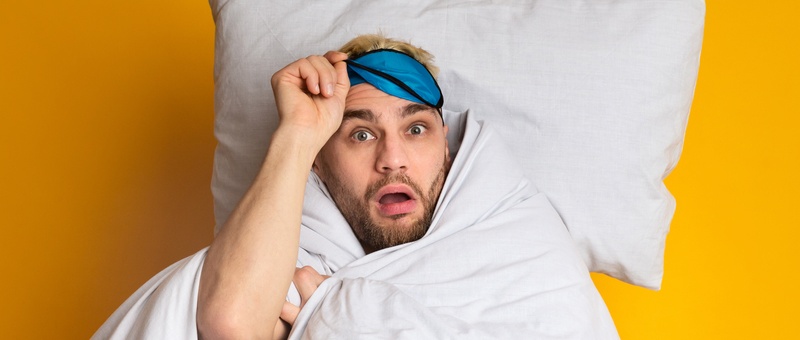
Transform your sleep: a guide to overcoming stress dreams
Peer reviewed by Dr Colin Tidy, MRCGPLast updated by Victoria RawLast updated 18 Mar 2026
Meets Patient’s editorial guidelines
- DownloadDownload
- Share
- Language
- Discussion
- Audio Version
- Add to preferred sources on Google
Have you ever dreamt of losing your teeth, being late for an important appointment, standing naked in a crowd - or even all three at once? These are typical examples of stress dreams. While they can leave us feeling anxious, it's important to remember they're not real. However, knowing why they happen and how to stop them can be helpful.

We tend to think of dreams as make-believe worlds, separate from our waking life. However, the general anxiety you experience when you're awake can influence and shape your dreams. They can often manifest as stressful dream scenarios inside your subconscious.
Can stress cause bad dreams?
Nightmares are categorised as dreams that make you feel scared and unsafe. Around 5% of adults experience recurring nightmares, often due to real-life stress and anxiety.
Stress dreams - or anxiety dreams - are similar to nightmares, though they're typically less threatening and involve more everyday worries. These can include scenarios such as sitting for an exam you haven't prepared for, getting fired from your job, or experiencing a breakup.
Kristie Tse, Psychotherapist, Uncover Mental Health Counseling, New York, USA says there is a well-documented connection between our waking stress levels and the frequency or intensity of stress dreams.
"When you're under significant stress, your mind continues to process these stressors during sleep - often resulting in vivid and disturbing dreams," she explains. "These dreams can be a reflection of unresolved anxieties, fears, or pressures that you're experiencing in your waking life."
Dr David D. Clarke, President, Psychophysiologic Disorders Association (PPDA) says the frequency of stress-related dreams significantly increases as stress levels rise. People who regularly have nightmares report higher levels of morning and evening stress compared to those who don't.
What causes stress dreams?
Stress dreams can be a direct result of the pressures you experience in your waking life. They may be a way for your mind to cope with or respond to the events and worries that occupy your thoughts.
General anxiety and stress
Everyday concerns and anxieties - even when unnoticed - can trigger stress dreams.
Whether it's worrying about a loved one, or wondering about your own health, Clarke says this underlying stress may reveal itself in dreams - even if you feel you're functioning normally throughout the day.
"People with generalised anxiety disorder tend to experience more stress dreams," he adds. "Genetic analysis has also shown a strong connection between nightmares and anxiety, depression, and posttraumatic stress disorders."
Tse says that high levels of cortisol - your body's primary stress hormone - can disrupt sleep patterns. This can contribute to more frequent awakenings during REM sleep - the stage where most vivid dreaming occurs.
Financial and academic burdens
Life is packed with pressure from all angles - whether it's work stress, academic strain, financial worries, or juggling a hectic life and feeling like you're failing. According to Tse, these are the most common psychological triggers for stress dreams.
"Stress dreams can serve as a manifestation of these concerns - often highlighting areas of life where we feel overwhelmed or a loss of control," she says. "For example, dreams about being chased, falling, or failing a task are common in stress dreams, and typically point to feelings of vulnerability, or fear of failure."
Life transitions
Major life changes can stir up anxiety and uncertainty, which may manifest as stress dreams.
Clarke says: "These can include life changes or events such as weddings, divorce, job loss or bereavement."
These unprocessed emotions can overlap in your dreams, as the whirlwind of daily life overshadows your need to process these changes.
Relationship conflicts
Whether you’ve gone to bed on an argument, are dealing with a rift in a friendship, or find yourself stuck in an unfulfilling relationship, tensions such as these can influence your dreams. Conflicts and unresolved emotions from relationship-related stress can provoke dreams that reflect feelings of fear, insecurity, or sadness.
How to stop stress dreams
Stress less
While it might seem simple, taking time for relaxation techniques such as deep breathing or meditation is one of the best ways to manage your stress, particularly before sleep.
Clarke says that although reducing your everyday stress levels can help prevent stress dreams, there may be deeper-rooted causes that require the support of a mental health professional.
"If there is any question about whether you might suffer from anxiety, depression, and posttraumatic stress disorder then seek professional advice," he says.
Tse says that your doctor may recommend cognitive-behavioural therapy (CBT) to address the underlying causes of your stress and anxiety.
Take regular time for activities you enjoy
Spending time on activities you find personally fulfilling and enjoyable can promote overall relaxation and reduce the frequency of stress dreams.
Clarke recommends activities that have no purpose and are purely for personal pleasure - such as walking in nature, pursuing hobbies, and spending time with people who make you feel positive and confident.
Identify your triggers
Another important step is to recognise any triggers that consistently raise your stress levels - as they may be linked to past traumas.
"Once these triggers are identified," says Clarke. "It's important to set clear boundaries to limit their impact on your mental health."
Create a bedtime routine
Inconsistent sleep schedules and poor sleep quality can worsen the frequency and intensity of stress dreams.
Tse says: "Maintaining good sleep hygiene - such as setting a regular bedtime, creating a relaxing pre-sleep ritual, and limiting screen time before bed - can limit the occurrence of stress dreams. Avoid consuming stimulants, such as caffeine, as these can disrupt your natural sleep cycle."
It's not unusual for bad dreams to arise from neglecting certain aspects of your health. However, by identifying these sources of stress, managing your stress levels and getting good quality sleep, you're more likely to minimise the effects of stress dreams.
Patient picks for Stress

Heart health and blood vessels
Can stress cause heart attacks?
While stress alone doesn't directly cause heart attacks, long-term, unmanaged stress can raise your chance of having one. In this article, we explore effective ways to lower your likelihood of heart attack and offer practical tips for managing stress.
by Victoria Raw

Mental health
Which foods can reduce your stress and anxiety?
Anxiety can be complex and hard to navigate, but by making small swaps to what you eat, you could see big improvements in your mental wellbeing. With the help of a food scientist and nutrition coach, we unpack the best foods for anxiety to help put you back in control.
by Lynn Stephen
About the authorView full bio

Victoria Raw
Feature Writer
BA (Hons), English Literature
Victoria is a content writer at Patient, with special interests spanning mental wellbeing, societal trends and the impact of technology on our health.
About the reviewerView full bio

Dr Colin Tidy, MRCGP
General Practitioner, Medical Author
MBBS, MRCGP, MRCP (Paediatrics), DCH
Dr Colin Tidy is an NHS Doctor, based in Oxfordshire.
Article history
The information on this page is peer reviewed by qualified clinicians.
Article also available in English, German, Spanish, French, Italian, Portuguese, Hindi, Hebrew, Arabic, and Swedish.
Next review due: 17 Mar 2029
18 Mar 2026 | Latest version
24 Sept 2024 | Originally published
Authored by:
Victoria Raw
Join the conversation
Share your thoughts or experiences with others in our patient communities.

Ask, share, connect.
Browse discussions, ask questions, and share experiences across hundreds of health topics.

Feeling unwell?
Assess your symptoms online for free
Sign up to the Patient newsletter
Your weekly dose of clear, trustworthy health advice - written to help you feel informed, confident and in control.
By subscribing you accept our Privacy Policy. You can unsubscribe at any time. We never sell your data.
More in mental health
- Anorexia may be a physical illness, as well as psychological
- Art therapy: creative ways to boost your mental health
- Can antidepressants cause vivid dreams?
- Can deaf people have therapy?
- Can exercise really help with depression?
- Can hair transplants improve mental health?
- Diabetes burnout - how mindfulness can support your mental wellbeing
- Domestic abuse survivors more likely to develop serious mental illness
- NewGaynor Faye on Hot Flash, menopause - and why midlife women deserve to be seen
- How to be a calm parent when you're stressed
- How to beat the end-of-summer blues
- How to cope with a fear of childbirth
- How to deal with the death of a pet
- How to get help for hypochondria and health anxiety
- How to look after your mental health at university
- How to lower cortisol levels: 10 proven ways
- Thalassophobia: how to manage your fear of the ocean
- The impact of boredom on our health
- What happens to your body during a panic attack?
- What it's like living with schizophrenia