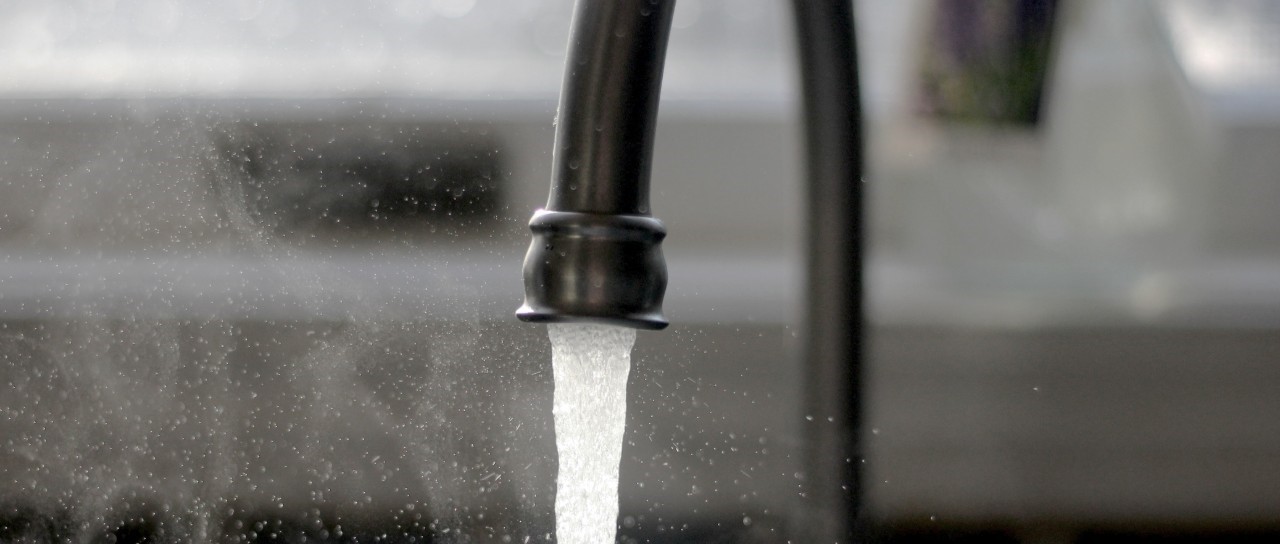
Microplastics in drinking water not an urgent health risk
Peer reviewed by Natalie HealeyLast updated by Ashwin BhandariLast updated 22 Aug 2019
Meets Patient’s editorial guidelines
- DownloadDownload
- Share
- Language
- Discussion
- Audio Version
- Add to preferred sources on Google
The World Health Organization (WHO) has called for further assessment of microplastics in the environment and their potential impacts on human health.
Microplastics, defined as small pieces of any kind of plastic debris, are found in polluted rivers, lakes, drinking water supplies, and bottled water packaging. They are also present in the air, and in our food.
According to WHO's latest analysis, which looks at microplastics in drinking water, pieces larger than 150 micrometres are not likely to be absorbed in the human body, and therefore likely do not pose a significant threat.
"We urgently need to know more about the health impact of microplastics because they are everywhere - including in our drinking water," says Dr Maria Neira, director, Department of Public Health, Environment and Social Determinants of Health, at WHO.
WHO says the evidence suggests that all larger plastic particles, and most of the smaller ones, simply pass through the body without being absorbed at all. Absorption and distribution of very small microplastic particles including in the nano size range may be higher, although the data is extremely limited at the moment.
The authors also believe routine monitoring of microplastics in drinking water is not recommended. They say resources would be better spent on removing bacteria and viruses from the supply.
However, WHO has urged that further research is needed to understand the long-term implications that microplastics could have on our health, and what we can do to reduce our impact on the environment.
Despite efforts to recycle and minimise environmental harm, plastic production is growing rapidly and is predicted to double again by 2025, according to the report.
Alice Horton, microplastics researcher, National Oceanography Centre (NOC), added: "It is important to put concerns about exposure to microplastics from drinking water into context: we are widely exposed to microplastics in our daily lives via a wide number of sources, of which drinking water is just one. Rather than focus on one route of exposure, a broader understanding of the wider sources and interactions of microplastics within the environment is needed."
Patient picks for Environmental conditions
General health and lifestyle
Plastic free July: should we be worried about microplastics?
What do testicles, clouds, beer and arctic ice all have in common? These are all places you might find microplastics, if you were a scientist with the right equipment to detect these tiny pieces of plastic, measuring below 5 millimetres. Over the last 20 years, microplastics have been discovered all around us, and now inside us too. It's thought we consume around 5 grams of microplastic particles every week - equivalent to the weight of a credit card. But what does this mean for our health? Here's what we currently know.
by Amberley Davis
General health and lifestyle
Handy tips to reduce your food waste
In the UK, each person wastes around 100 kg of food on average every year. Throwing away uneaten food is bad for both people and planet, but there are steps you can take at home to reduce food waste and protect public health both in the present and in the future.
by Amberley Davis
About the authorView full bio

Ashwin Bhandari
Medical Writer
BA Journalism
About the reviewerView full bio

Natalie Healey
Freelance journalist
BSc (Hons) Biomedical Science
She is a London-based health journalist who has been writing about science and medicine for several years. She is the former head of editorial at Patient.
Article history
The information on this page is peer reviewed by qualified clinicians.
Article also available in English, German, Spanish, French, Italian, Portuguese, Hindi, Hebrew, Arabic, and Swedish.
22 Aug 2019 | Latest version
Join the conversation
Share your thoughts or experiences with others in our patient communities.

Ask, share, connect.
Browse discussions, ask questions, and share experiences across hundreds of health topics.

Feeling unwell?
Assess your symptoms online for free
Sign up to the Patient newsletter
Your weekly dose of clear, trustworthy health advice - written to help you feel informed, confident and in control.
By subscribing you accept our Privacy Policy. You can unsubscribe at any time. We never sell your data.
More in general health and lifestyle
- A guide to UV protection sunglasses
- Are online doctor's appointments the future for healthcare?
- Do you need more sleep in winter?
- Does SPF moisturiser give you enough sun protection?
- How does climate change affect mental health?
- How to beat the end-of-summer blues
- How to comfort eat healthily in winter
- How to cope with climate change anxiety
- How to have a healthy Christmas party
- How to maintain your running routine in winter
- How your environment affects skin conditions
- Is there an LGBTQ+ health gap?
- Mental health and work: is it affecting your career?
- Should you go to work when you have a cold?
- Sun protection mistakes you're probably making
- This is what cold weather does to your heart
- What student health benefits can I get?
- What to eat at Christmas if you have type 2 diabetes
- What's the health impact of pesticides?
- Working with food when you have an eating disorder