O que sabemos sobre a variante IHU da COVID-19
Revisado por Dr Sarah JarvisAutoria de Lydia SmithPublicado originalmente 19 de janeiro de 2022
Atende aos diretrizes editoriais
- BaixarBaixar
- Compartilhar
- Language
- Discussão
- Versão em Áudio
- Adicionar às fontes preferidas no Google
Enquanto a COVID-19 continuar a se espalhar, o vírus continuará sofrendo mutações. Embora o Reino Unido ainda esteja lidando com o grande número de casos da variante Ômicron, facilmente transmissível, pesquisadores têm relatado uma nova cepa chamada B.1.640.2 ou IHU, detectada na França. Mas ela é tão preocupante quanto outras variantes da COVID-19 — e o que sabemos sobre ela até agora?
O que é a variante IHU?
At the end of 2021, researchers discovered a new COVID-19 variant in France. According to a estudo that is yet to be peer-reviewed, the strain was found in a vaccinated French traveller who had returned from Cameroon in Africa in November. The researchers noted that he developed mild respiratory symptoms the day before he was diagnosed. The variant was named B.1.640.2 or IHU after Institut Hospitalier Universitaire in Marseilles, one of the places where it was identified.
Respiratory samples collected from seven other COVID-19 patients living in the same area of southeastern France were found to have the same combination of mutations. All of these samples of the IHU variant were detected in the weeks after the initial case was reported. Researchers later discovered there were 12 people in total with the IHU variant. All of the people infected lived in southern France.
Devemos nos preocupar com a variante IHU ou B.1.640.2?
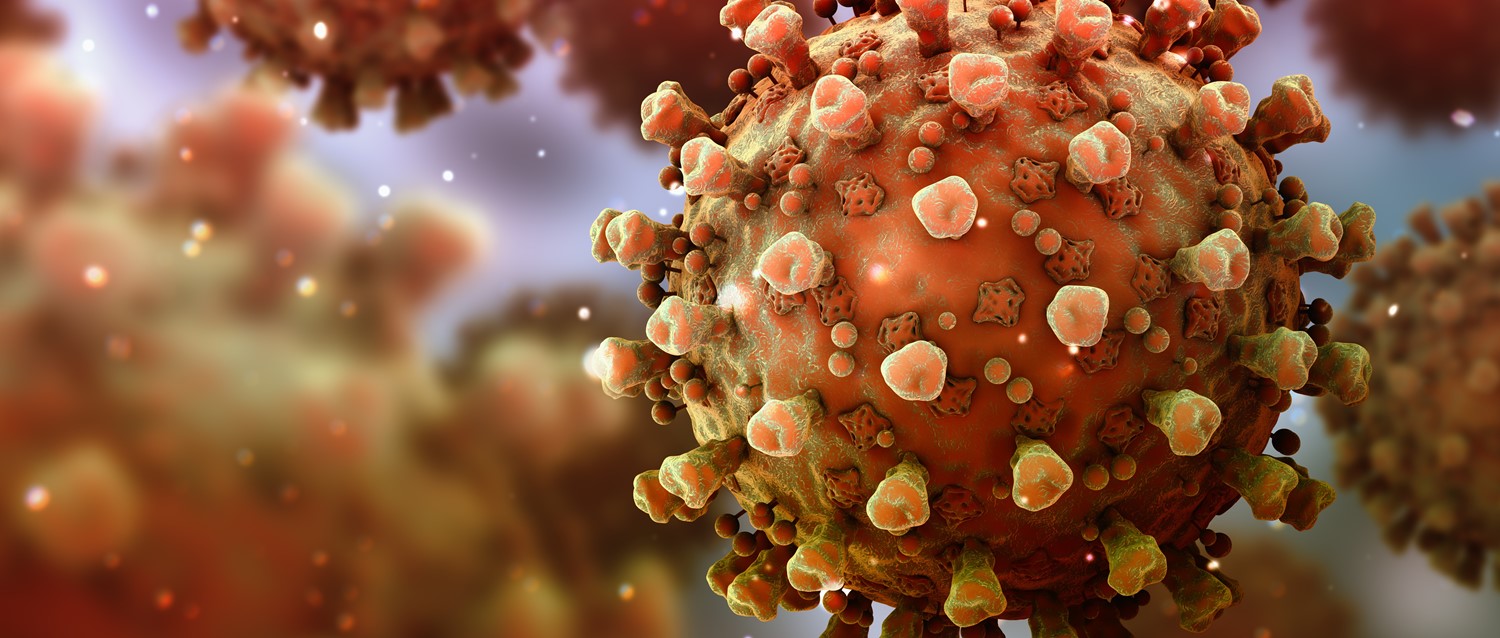
Viruses mutate to adapt to their surroundings, so they can move more effectively between hosts. Mutations can allow viruses to reproduce more quickly, attach more easily to our cells or evade our immune systems and vaccines. Put simply, spike proteins - made of glycoproteins - protrude from the outside of coronavírus and help them to infect human cells.
The IHU variant has 46 genetic mutations and 37 deletions, according to the French study. The Omicron variant, in comparison, is thought to have around 50 mutações. Duas das mutações da proteína spike presentes na IHU — as mutações N501Y e E484K — foram detectadas em variantes do vírus da COVID-19 identificadas anteriormente.
Pesquisa suggests the N501Y mutation, which was detected in the Alpha variant, can help the virus to bind better to human cells. The mutação E484K, encontrada em várias variantes, é chamada de mutação de escape porque ajuda o vírus a escapar das defesas imunológicas do organismo.
However, unlike the Omicron variant, IHU has not been spreading rapidly since it was detected. Many variants of COVID-19 have occurred and will continue to happen in the future, but they are monitored closely by experts. Variants will be flagged as a cause for concern if necessary, but it's important to try not to worry about every one you hear about. It is still essential to continue taking your usual precautions, such as ensuring you are vacinado and wearing máscaras.
OMS: Ainda não é uma variante de preocupação
A IHU não foi classificada como uma “variante de preocupação” pela Organização Mundial da Saúde, que ressaltou que ainda não há motivo para preocupação. Para ser considerada uma variante de preocupação, é preciso haver evidências de que a variante:
More transmissible than other variants; and/or
Provavelmente causará sintomas mais graves; e/ou
Better able to evade current protections, such as vacinas.
Abdi Mahamud, the incident manager for the World Health Organization's COVID-19 Incident Management Support Team, said during a recent coletiva de imprensa that the B.1.640.2 variant had many chances to spread over the last two months. However, the WHO will keep a close eye on the variant.
French scientists have said more research is needed about the transmissibility of the IHU variant and that it is too early to speculate. They disseram: "Overall, these observations show once again the unpredictability of the emergence of new SARS-CoV-2 variants and their introduction from abroad. They exemplify the difficulty to control such introduction and subsequent spread."
Quantas variantes da COVID-19 existem?
Although attention has focused on the most common strains of COVID-19, such as Alpha, Delta e Omicron, existem muitas variantes do vírus.
Um recente artigo in the British Medical Journal lists numerous variants including Beta (first documented in South Africa in May 2020) and Gamma (identified in Brazil in November 2020). Both are considered variants of concern by the WHO. Some variants have been declared of "interest" by the organisation. This is its second-tier level of alert.
Segundo o artigo, foram detectados casos da variante Eta em 72 países, incluindo o Reino Unido. A variante Iota, identificada pela primeira vez na cidade de Nova York em novembro de 2020, foi notificada em mais de 50 países.
However, not all variants spread as quickly or effectively as others. Many disappear after circulating for a shorter period of time, but some - such as Omicron - spread rapidly. There will likely be many more strains of COVID-19 in the future, which is why vacinação is so important.
Escolhas do paciente para Informações sobre variantes

COVID-19
Você deve se preocupar com a variante indiana da COVID-19?
Apesar do afrouxamento das restrições de lockdown após a redução de casos, hospitalizações e mortes em comparação aos meses anteriores, a ameaça da COVID-19 permanece no Reino Unido. Diversas cepas do vírus surgiram ao longo da pandemia — notavelmente as variantes de Kent, Sul-Africana e Brasileira — e agora uma nova variante de preocupação surgiu, originária da Índia.
por Milly Evans

COVID-19
COVID-19: Você deve cancelar seus planos de Natal por causa da Omicron?
É a reta final antes do Dia de Natal, mas as coisas não estão parecendo tão festivas. Os casos da variante Ômicron da COVID-19 estão aumentando rapidamente no Reino Unido, com o número total de casos confirmados agora ultrapassando 37.000. Com o risco de os hospitais ficarem sobrecarregados, muitos cientistas pediram restrições mais rigorosas. Então, você deve cancelar seus planos de Natal - ou é seguro seguir com eles?
por Lydia Smith
Sobre o autorVer biografia completa
Autoria de

Lydia Smith
Redatora de reportagens
BA, MA, MSc
Lydia Smith é uma jornalista premiada e escritora de reportagens que escreveu extensivamente sobre saúde da mulher e saúde mental. Atualmente, ela está cursando um mestrado em psicologia.
Sobre o revisorVer biografia completa

Dra. Sarah Jarvis
Consultora Clínica
MA (Cantab), BM, BCh (Oxon), DRCOG, FRCGP, MBE
Após se formar em medicina em Cambridge e Oxford, a Dra. Sarah Jarvis MBE tornou-se médica de clínica geral.
Histórico do artigo
Artigo também disponível em Inglês, Alemão, Espanhol, Francês, Italiano, Português, Hindi, Hebraico, Árabe, e Sueco.
19 de janeiro de 2022 | Publicado originalmente
Escrito por:
Lydia SmithRevisado por
Dra. Sarah Jarvis
Participe da conversa
Compartilhe seus pensamentos ou experiências com outros em nosso comunidades de pacientes.

Pergunte, compartilhe, conecte-se.
Navegue por discussões, faça perguntas e compartilhe experiências em centenas de tópicos de saúde.

Sentindo-se mal?
Avalie seus sintomas online gratuitamente
Inscreva-se no boletim informativo do Patient
Sua dose semanal de conselhos de saúde claros e confiáveis - escritos para ajudá-lo a se sentir informado, confiante e no controle.
Ao se inscrever, você aceita nossos Política de Privacidade. Você pode cancelar a inscrição a qualquer momento. Nunca vendemos seus dados.