Eosinophil peroxidase deficiency
Última atualização 18 de ago de 2020
Atende aos diretrizes editoriais
- BaixarBaixar
- Compartilhar
- Language
- Discussão
- Ask Patient
- Versão em Áudio
- Adicionar às fontes preferidas no Google
Eosinophil peroxidase deficiency is a condition that affects certain white blood cells called eosinophils but causes no health problems in affected individuals. Eosinophils aid in the body's immune response. During a normal immune response, these cells are turned on (activated), and they travel to the area of injury or inflammation. The cells then release proteins and other compounds that have a toxic effect on severely damaged cells or invading organisms. One of these proteins is called eosinophil peroxidase. In eosinophil peroxidase deficiency, eosinophils have little or no eosinophil peroxidase. A lack of this protein does not seem to affect the eosinophils' ability to carry out an immune response.
Escolhas de vídeos para Condições genéticasBiblioteca de vídeos
Descrição
Eosinophil peroxidase deficiency is a condition that affects certain white blood cells called eosinophils but causes no health problems in affected individuals. Eosinophils aid in the body's immune response. During a normal immune response, these cells are turned on (activated), and they travel to the area of injury or inflammation. The cells then release proteins and other compounds that have a toxic effect on severely damaged cells or invading organisms. One of these proteins is called eosinophil peroxidase. In eosinophil peroxidase deficiency, eosinophils have little or no eosinophil peroxidase. A lack of this protein does not seem to affect the eosinophils' ability to carry out an immune response.
Because eosinophil peroxidase deficiency does not cause any health problems, this condition is often diagnosed when blood tests are done for other reasons or when a family member has been diagnosed with the condition.
Padrões de herança
The source lists the following possible inheritance patterns: Autosomal recessive. More than one pattern can apply in different cases.
Related genes
Other names
EPXD
Peroxidase and phospholipid deficiency in eosinophils
Presentey anomaly
Related patient information and medicines

Patient information leaflet
O sistema imunológico
A person with a weak immune system might have difficulty fighting off infections. If pathogens manage to get through these barriers, they encounter special white blood cells present in your bloodstream. There are different types of white cells, called neutrophils (polymorphs), lymphocytes, eosinophils, monocytes, and basophils. White blood cells.
Patient information leaflet
Exames de sangue
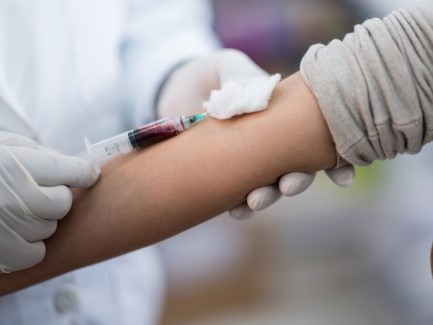
Millions of red blood cells a... Red cells contain a chemical called haemoglobin. This binds to oxygen and takes oxygen from the lungs to all parts of the body. White cells (leukocytes) There are different types of white cells which are called neutrophils (polymorphs), lymphocytes, eosinophils, monocytes and basophils. They are part of the immune.

Patient information leaflet
Leucemias infantis
Infância leucemia It is very important to know which. This is because the outlook (prognosis) and treatments vary for th... White cells (leukocytes). There are different types of white cells, which are called neutrophils (polymorphs), lymphocytes, eosinophils, monocytes and basophils. They are part of the immune system. The cells that are made.
Patient information leaflet
Esofagite eosinofílica
Commonly, the inflammation is caused by acid leaking up from the stomach (a condition known as acid reflux). In some people, however, it can be caused by a condition known as eosinophilic oesophagitis. In eosinophilic oesophagitis, particular types of white blood cells (called eosinophils) gather in large numbers in the lining of the oesophagus,.

Patient information leaflet
Posso tomar complexo de Vitamina B e Vitamina C juntos?
Kidney stones (renal calculi) High doses of vitamin C can increase the amount of oxalate in your urine, which significantly raises the risk of developing kidney stones, especially if you have had them before. Deficiência de G6PD Very high doses of vitamin C can cause oxidative stress and lead to the breakdown of red blood cells (haemolysis) in.
Patient information leaflet
Posso tomar Vitamina B12 e Vitamina C juntas?
Deficiência de G6PD Very high doses of vitamin C pode causar oxidative stress and lead to the breakdown of red blood cells (haemolysis) in individuals with G6PD deficiency. Food and drink warnings Alcohol It is bes... Our Verificador de Interações de Medicamentos helps you check whether your prescriptions, over-the-counter medicines, and supplements are safe to.
Leitura adicional e referências
- Eosinophil peroxidase deficiency; MedlinePlus, National Library of Medicine.
- Kutter D, Mueller-Hagedorn S, Forges T, Glaesener R. A case of eosinophil peroxidase deficiency. Ann Hematol. 1995 Dec;71(6):315-7. doi: 10.1007/BF01697987.
- Nakagawa T, Ikemoto T, Takeuchi T, Tanaka K, Tanigawa N, Yamamoto D, Shimizu A. Eosinophilic peroxidase deficiency: Identification of a point mutation (D648N) and prediction of structural changes. Hum Mutat. 2001 Mar;17(3):235-6. doi: 10.1002/humu.10.
- Romano M, Patriarca P, Melo C, Baralle FE, Dri P. Hereditary eosinophil peroxidase deficiency: immunochemical and spectroscopic studies and evidence for a compound heterozygosity of the defect. Proc Natl Acad Sci U S A. 1994 Dec 20;91(26):12496-500. doi: 10.1073/pnas.91.26.12496.
- Zabucchi G, Soranzo MR, Menegazzi R, Vecchio M, Knowles A, Piccinini C, Spessotto P, Patriarca P. Eosinophil peroxidase deficiency: morphological and immunocytochemical studies of the eosinophil-specific granules. Blood. 1992 Dec 1;80(11):2903-10.
Compartilhe seus pensamentos ou experiências com outros em nosso comunidades de pacientes.
Acesso simples a tratamentos confiáveis e serviços de saúde online.
Common conditions
Get help with common conditions through the NHS, without a GP appointment.
 Sinusite aguda
 Amigdalite bacteriana
 Impetigo
 Mordidas de insetos
 Herpes zosterInfecção do trato urinário (ITUs)
Inscreva-se no boletim informativo do Patient
Sua dose semanal de conselhos de saúde claros e confiáveis - escritos para ajudá-lo a se sentir informado, confiante e no controle.
Ao se inscrever, você aceita nossos Política de Privacidade. Você pode cancelar a inscrição a qualquer momento. Nunca vendemos seus dados.