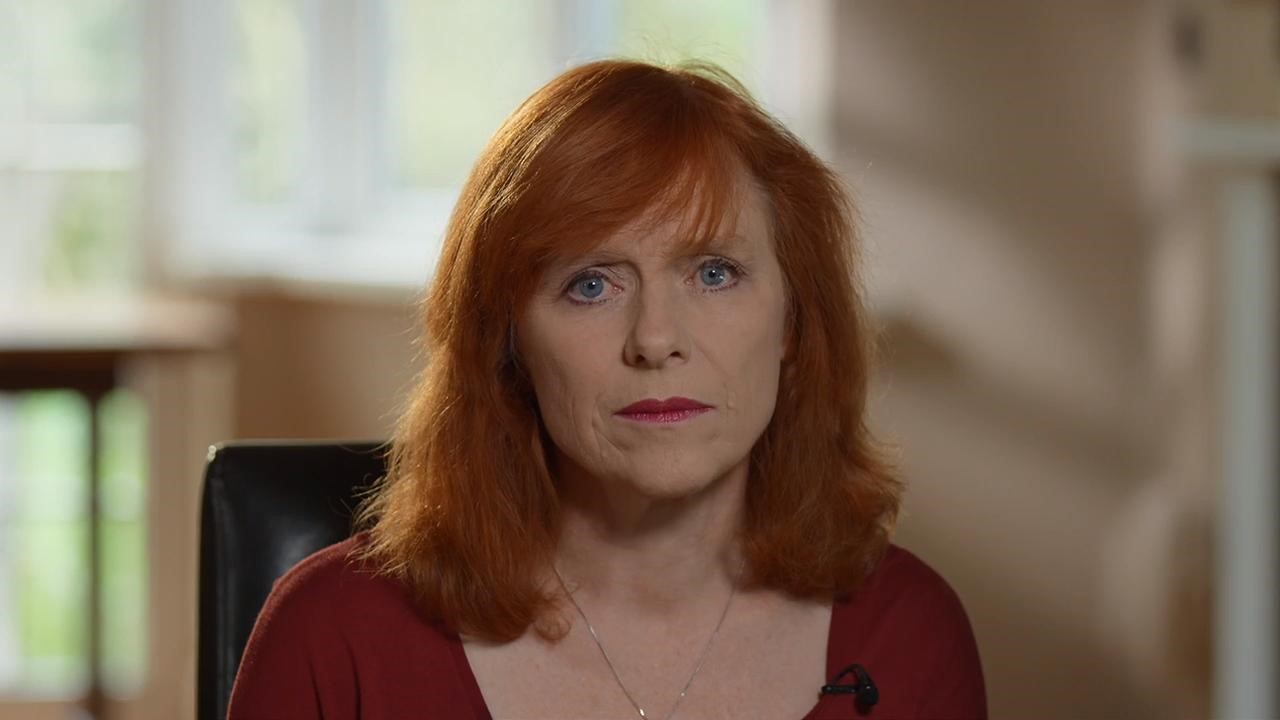
Vídeo: Miomas são cancerígenos?
Revisado por Dr Krishna Vakharia, MRCGPÚltima atualização por Lydia SmithÚltima atualização 2 de ago de 2023
Atende aos diretrizes editoriais
- BaixarBaixar
- Compartilhar
- Language
- Discussão
- Versão em Áudio
- Adicionar às fontes preferidas no Google
Any growth in your womb can be worrying, but miomas are generally not a cause for major concern. However, they can lead to many questions - which our expert Dr Sarah Jarvis has answered below.
Lista de reprodução: Fibromas Perguntas e Respostas
9 vídeos
Os miomas são cancerígenos?
Dra. Sarah Jarvis
Os miomas são cancerígenos?
Dr. Sarah Jarvis

Miomas podem causar abortos espontâneos?
Dr. Sarah Jarvis

Os fibromas podem causar infertilidade?
Dr. Sarah Jarvis

Quantos miomas são demais?
Dr. Sarah Jarvis

Quantos miomas uma mulher pode ter?
Dr. Sarah Jarvis

Como são removidos os miomas?
Dr. Sarah Jarvis

How big can fibroids grow?
Dr. Sarah Jarvis

Os miomas diminuem após a menopausa?
Dr. Sarah Jarvis

Os fibromas sangram?
Dr. Sarah Jarvis
Os miomas são cancerígenos?
Fibroids are growths of the muscle that lines the womb, but they are not cancerous nor do they ever turn into câncer. Na verdade, cerca de duas em cada três mulheres que têm miomas nem sequer sabem que os têm.
Miomas podem causar abortos espontâneos?
Muitas vezes, miomas e abortos espontâneos não estão relacionados. Ocasionalmente, no entanto, os miomas podem reduzir a quantidade de suprimento de sangue para um embrião ou dificultar que esse embrião se implante e cresça, o que pode levar a um aborto espontâneo.
Os fibromas podem causar infertilidade?
Miomas são realmente comuns. Cerca de uma em cada quatro mulheres os desenvolve em algum momento e, na grande maioria dos casos, eles não causam problemas de fertilidade. No entanto, às vezes, os miomas podem impedir que o esperma consiga entrar no útero de forma eficaz.
Às vezes, eles podem bloquear a entrada das trompas de falópio, que é por onde o óvulo fertilizado desce para entrar no útero. E, em alguns casos, especialmente se você tiver muitos miomas, isso pode dificultar que o óvulo fertilizado encontre um local para se implantar no seu útero e começar a crescer.
Quantos miomas são demais?
Fibroids are benign and non-cancerous growth of the womb. You can have either one or you can have many. However, there is no real definition of how many is too many, because one women might have one large fibroid which cause severe problems - while other women may have dozens of tiny fibroids which don’t cause any symptoms.
Quantos miomas uma mulher pode ter?
Miomas são crescimentos não cancerosos do útero, especificamente, do músculo que reveste o útero. Você pode ter dezenas deles e eles dependem muito, em termos de quantos problemas causam, do seu tamanho.
Many women will have dozens of tiny almost pea sized growths and they won’t cause any symptoms at all, where some women will have one very large fibroid that can distort the cavity of the womb or grow outside the womb which can cause sangramento intenso, dor and sometimes other problems.
Como são removidos os miomas?
Existem vários tratamentos para miomas, que incluem tratamentos médicos, comprimidos, hormônios e tratamentos cirúrgicos. Alguns tratamentos não removem os miomas, mas os reduzem. Um desses tratamentos é chamado embolização da artéria uterina, onde o suprimento de sangue para os miomas é interrompido, fazendo com que eles murchem e desapareçam.
Another is called MRI focus ultrasound where high powered beams of ultrasound are directed at the fibroids using MRI control. Alternatively, key hole surgery or in the case of bigger fibroids, open surgery where the wall of the stomach is cut open, can be used to remove the fibroids. This is called myomectomy. As a last resort, and these days not very often done is histerectomia, onde o útero inteiro é removido.
Quanto os miomas podem crescer?
Há uma grande variação no tamanho possível dos miomas. Algumas mulheres têm muitos miomas muito pequenos, até mesmo do tamanho de uma ervilha. Em algumas mulheres, no entanto, um único mioma pode crescer muito. Miomas muito grandes podem levar a sintomas como inchaço, pressão na bexiga ou intestino - e podem afetar sua fertilidade e levar a períodos menstruais intensos ou dolorosos.
Os miomas diminuem após a menopausa?
Fibroids largely depend on the hormone oestrogen in order to grow. Therefore, they tend to be most problematic for women in their early 20s until the menopause. After the menopause, these fibroids will almost always shrink. They may not disappear completely but they certainly shouldn’t cause problems in most people. But the only exception is if you take hormone treatment like TRH which contains oestrogen, so this can keep the fibroids going.
Os fibromas sangram?
The most common symptom is heavy - and sometimes painful - periods. Usually fibroids do not cause bleeding between your periods. If you do get irregular bleeding between your periods or bleeding after the menopausa you should always get it checked out.
Escolhas do paciente para General women's health

Saúde da mulher
Muitos remédios? O preocupante aumento da polifarmácia em mulheres de meia-idade
When a health gap warrants more attention, most healthcare professionals focus on finding better ways to support people. Others, however, see that same gap as a business opportunity. One result is the rise of polypharmacy - taking multiple medications or supplements at the same time without clear clinical guidance.
por Victoria Raw
Saúde da mulher
Desvendando a lacuna de saúde de gênero
A lacuna de saúde de gênero é um termo que alguns de vocês podem conhecer bem, enquanto outros podem ter apenas ouvido falar dele de passagem. Você pode nunca ter ouvido falar dele. Embora a conscientização sobre esse problema varie, é um tópico de importância crítica que impacta a saúde das mulheres de maneiras que exigem nossa total atenção. Essa lacuna representa uma forma séria de desigualdade de gênero na assistência médica.
por Victoria Raw
Sobre o autorVer biografia completa
Atualizado por

Lydia Smith
Redatora de reportagens
BA, MA, MSc
Lydia Smith é uma jornalista premiada e escritora de reportagens que escreveu extensivamente sobre saúde da mulher e saúde mental. Atualmente, ela está cursando um mestrado em psicologia.
Autoria de

Dra. Sarah Jarvis
Consultora Clínica
MA (Cantab), BM, BCh (Oxon), DRCOG, FRCGP, MBE
Após se formar em medicina em Cambridge e Oxford, a Dra. Sarah Jarvis MBE tornou-se médica de clínica geral.
Sobre o revisorVer biografia completa

Dr Krishna Vakharia, MRCGP
Diretor Médico de Saúde, Optum UK
MBChB, MRCGP(2013), BMedSci (hons), DFSRH, DRCOG, PGDipDerm (Distn)
Dr. Krishna Vakharia é uma médica de clínica geral do NHS. Ela também é examinadora regular do Diploma de Pós-Graduação em Dermatologia Prática na Universidade de Cardiff, além de ser a Diretora Médica de Saúde na Optum UK.
Histórico do artigo
Artigo também disponível em Inglês, Alemão, Espanhol, Francês, Italiano, Português, Hindi, Hebraico, Árabe, e Sueco.
Próxima revisão agendada: 2 de agosto de 2026
2 de ago de 2023 | Última versão
18 Mar 2018 | Publicado originalmente
Escrito por:
Dra. Sarah Jarvis
Participe da conversa
Compartilhe seus pensamentos ou experiências com outros em nosso comunidades de pacientes.

Pergunte, compartilhe, conecte-se.
Navegue por discussões, faça perguntas e compartilhe experiências em centenas de tópicos de saúde.

Sentindo-se mal?
Avalie seus sintomas online gratuitamente
Inscreva-se no boletim informativo do Patient
Sua dose semanal de conselhos de saúde claros e confiáveis - escritos para ajudá-lo a se sentir informado, confiante e no controle.
Ao se inscrever, você aceita nossos Política de Privacidade. Você pode cancelar a inscrição a qualquer momento. Nunca vendemos seus dados.