Groin strain
Pulled groin
Peer reviewed by Dr Colin Tidy, MRCGPLast updated by Dr Hayley Willacy, FRCGP Last updated 21 Jun 2023
Meets Patient’s editorial guidelines
- DownloadDownload
- Share
- Language
- Discussion
- Audio Version
- Add to preferred sources on Google
In this series:Sports injuriesHamstring injuryAnkle injurySprains and strainsKnee ligament injuriesMeniscal tears
Anyone can experience having a pulled groin (groin strain) but it's much more common when running, jumping and playing sports.
At a glance
A groin strain is an injury to the muscles in your groin and thigh.
Symptoms include pain and tenderness in the groin and inner thigh, swelling, and bruising.
Groin strains are common in sports involving running and jumping.
Treatment involves rest, ice, compression, pain relief, and gentle exercises.
Recovery usually takes 4 to 6 weeks, but can vary.
Warming up, proper footwear, and strengthening exercises can help prevent groin strains.
What is a groin strain?
A groin strain (or pulled groin) is an injury caused by putting too much stress on the adductor muscles (including adductor magnus, brevis and longus) in your groin and thigh. If these muscles are tensed too forcefully or too suddenly, they can be over-stretched or torn. A pulled groin can vary in severity from mild to severe.
How common is a groin strain?
A groin strain is common in people who play sports that require a lot of running and jumping, especially suddenly jumping or changing direction. A groin strain often occurs in people who play football or hockey. In male football players the adductor muscles are the most commonly injured muscle group.
Groin strain symptoms
The symptoms of a groin strain will depend on how badly you've pulled your groin but may include:
A popping or snapping feeling during the injury, followed by severe pain.
Pain and tenderness in the groin and the inside of your thigh.
Pain when you bring your legs together.
Pain when you raise your knee or try to climb stairs.
Swelling and bruising.
Diagnosing a groin strain
To diagnose a groin strain, your doctor will ask you several questions (such as what you were doing when the pain started and what the pain is like). They may want to give you a thorough examination of the spine and legs and usually no further tests are needed. However, tests like X-rays, ultrasound scans and magnetic resonance imaging (MRI) scans may be needed to rule out other problems.
Groin strain treatment
A pulled groin will usually heal without any treatment and just needs time and rest. However, you can help the groin to heal more quickly by doing the following:
Ice treatment for the inside of your thigh to reduce pain and swelling. Put ice or a cold pack on your groin area for 10 to 20 minutes. Place a thin cloth between your skin and the ice/cold pack to avoid an ice burn to your skin. Do this frequently (every few hours during the day if possible) for the first three days or until the swelling goes down.
Compress your thigh using an elastic bandage or tape.
Simple analgesia such as paracetamol and non-steroidal anti-inflammatory drugs (NSAIDs), like ibuprofen and naproxen, will help with pain and swelling. Note: these should only be used for a short period, such as up to 1-2 weeks.
Active stretching and strengthening exercises as part of a physical therapy rehabilitation program. You should use the level of pain to guide how much exercise you should do. if the exercises are too aggressive or frequent then further damage may occur.
Until your groin feels completely better, switch to a different activity that won't put too much stress on your groin muscles. For example, runners could try swimming to stay fit until the groin problem has resolved.
Surgery
Simple conservative treatments as listed above are usually enough to help a pulled groin get better.
However if they don't work very well then surgery may be an option, especially if you are an athlete or other sportsperson and need to be back in training or competing as soon as possible.
While surgery may give you relief, it's still a last resort. Not everyone can return to their previous level of activity after surgery.
How long does it take for a groin strain to heal?
The recovery time for groin muscle strains depends on how serious your groin strain is. It often takes about four to six weeks but different people heal at different rates. Whatever you do, don't rush things. If you start pushing yourself before your groin has healed, further injury may occur. Repeated pulled groins may take longer to heal or even become a permanent problem.
How can you prevent a groin strain?
Always warm up thoroughly, including your legs and groin muscles, before any physical activity.
Wear shoes with good support that fit well.
Always slowly increase the intensity of your physical activity and build up gradually.
Stop exercising if you feel pain or tightness in your groin or the inside of your thigh.
Do regular strengthening exercises for your thigh muscles.
Groin injuries can result from added stress due to weakness elsewhere. Make sure your exercise/training programme addresses all areas, such as ankle, knee and core, and this will help to prevent sports injuries such as a pulled groin.
Patient picks for Sports injuries

Bones, joints and muscles
Meniscal tears
You've all seen the footballer on TV - one moment they're running full pelt, the next they've tripped over another player and are clutching their knee in agony. There's a good chance an injury to their knee cartilage is at least part of the problem.
by Dr Colin Tidy, MRCGP
Bones, joints and muscles
Sports injuries
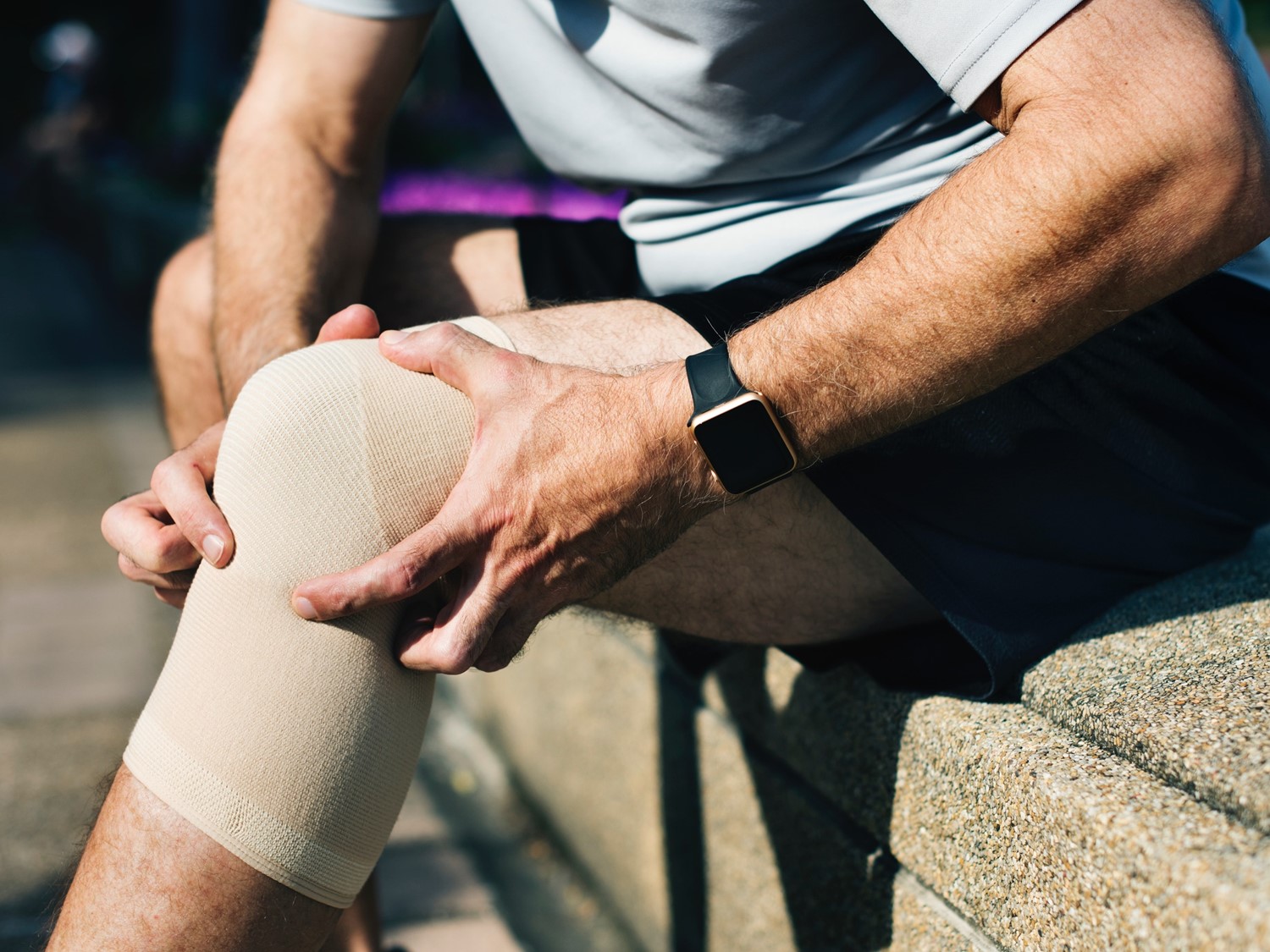
Regular exercise has many benefits for your body. However, exercise does come with risks. Most people only experience minor sports-related injuries such as strained muscles and blisters. A few will experience more serious injuries such as torn cartilages or even broken bones. This leaflet describes some of the more common sports injuries, how to recognise them and how to avoid them.
by Dr Colin Tidy, MRCGP
Frequently asked questions
What type of doctor should I see for a groin strain?
Your regular doctor can usually diagnose a groin strain by asking about your symptoms and performing a physical examination. In most cases, further tests like X-rays or scans aren't needed, but they might be used to rule out other issues.
Are there any alternative activities I can do while my groin strain is healing?
Yes, while your groin is recovering, you should switch to exercises that don't put stress on the adductor muscles. For example, if you typically run, swimming is a good alternative to stay fit without aggravating the injury.
When should I consider surgery for a groin strain?
Surgery is generally considered a last resort for a pulled groin if conservative treatments like rest, ice, and physical therapy don't significantly improve your condition. It might be a more relevant option for athletes who need to return to high-level activity quickly, though it doesn't guarantee a full return to previous performance levels.
Can a groin strain become a long-term problem?
Yes, if you rush your recovery and start pushing yourself before the groin has fully healed, you risk further injury. Repeated groin strains can take longer to heal and in some cases, may even develop into a permanent problem.
How can strengthening other body parts help prevent a groin strain?
Groin injuries can sometimes occur due to weakness in other areas. Ensuring your exercise routine strengthens core muscles, as well as muscles around the ankles and knees, can help prevent a pulled groin and other sports-related injuries.
Further reading and references
- Elattar O, Choi HR, Dills VD, et al; Groin Injuries (Athletic Pubalgia) and Return to Play. Sports Health. 2016 Jul;8(4):313-23. doi: 10.1177/1941738116653711. Epub 2016 Jun 14.
- Kiel J, Kaiser K; Adductor Strain.
- Thorborg K, Sportsphysio M; Current Clinical Concepts: Exercise and Load Management of Adductor Strains, Adductor Ruptures and Longstanding Adductor-related Groin Pain. J Athl Train. 2022 Jul 14. doi: 10.4085/1062-6050-0496.21.
- Schaber M, Guiser Z, Brauer L, et al; The Neuromuscular Effects of the Copenhagen Adductor Exercise: A Systematic Review. Int J Sports Phys Ther. 2021 Oct 1;16(5):1210-1221. doi: 10.26603/001c.27975. eCollection 2021.
About the authorView full bio

Dr Hayley Willacy, FRCGP
General Practitioner, Medical Author
MBChB (1992), DRCOG, DFFP, MRCOG (Part 1) MRCGP (2007), DFSRH (2013), MSc - medical education (2020)
Dr Hayley Willacy was an NHS GP working in northwest England, who retired from clinical practice in 2022 after 30 years.
About the reviewerView full bio

Dr Colin Tidy, MRCGP
General Practitioner, Medical Author
MBBS, MRCGP, MRCP (Paediatrics), DCH
Dr Colin Tidy is an NHS Doctor, based in Oxfordshire.
Article history
Article also available in English, German, Spanish, French, Italian, Portuguese, Hindi, Hebrew, Arabic, and Swedish.
Next review due: 12 May 2028
21 Jun 2023 | Latest version
Join the conversation
Share your thoughts or experiences with others in our patient communities.

Ask, share, connect.
Browse discussions, ask questions, and share experiences across hundreds of health topics.

Feeling unwell?
Assess your symptoms online for free
Sign up to the Patient newsletter
Your weekly dose of clear, trustworthy health advice - written to help you feel informed, confident and in control.
By subscribing you accept our Privacy Policy. You can unsubscribe at any time. We never sell your data.