double homeobox 4
Última atualização 18 de ago de 2020
Atende aos diretrizes editoriais
- BaixarBaixar
- Compartilhar
- Language
- Discussão
- Versão em Áudio
- Adicionar às fontes preferidas no Google
A DUX4 gene is located near the end of chromosome 4 in a region known as D4Z4. This region consists of 11 to more than 100 repeated segments, each of which is about 3,300 DNA base pairs (3.3 kb) long. The entire D4Z4 region is normally hypermethylated, which means that it has a large number of methyl groups (consisting of one carbon atom and three hydrogen atoms) attached to the DNA. The addition of methyl groups turns off (silences) genes, so hypermethylated regions of DNA tend to have fewer genes that are turned on (active).
Normal function
A DUX4 gene is located near the end of chromosome 4 in a region known as D4Z4. This region consists of 11 to more than 100 repeated segments, each of which is about 3,300 DNA base pairs (3.3 kb) long. The entire D4Z4 region is normally hypermethylated, which means that it has a large number of methyl groups (consisting of one carbon atom and three hydrogen atoms) attached to the DNA. The addition of methyl groups turns off (silences) genes, so hypermethylated regions of DNA tend to have fewer genes that are turned on (active).
Each of the repeated segments in the D4Z4 region contains a copy of the DUX4 gene; the copy closest to the end of chromosome 4 is called DUX4, while the other copies are described as "DUX4-like" or DUX4L. Hypermethylation of the D4Z4 region keeps the DUX4-like genes silenced all the time. No protein is produced from these genes. The DUX4 gene is also silenced in most adult cells and tissues, although it is active during early development and in the testes of adult males. Little is known about the function of the protein produced from the active DUX4 gene; it appears to help control the activity of other genes.
A DUX4 gene (the copy closest to the end of chromosome 4) is located next to a regulatory region of DNA known as a pLAM sequence, which is necessary for the production of the DUX4 protein. Some copies of chromosome 4 have a functional pLAM sequence, while others do not. Copies of chromosome 4 with a functional pLAM sequence are described as 4qA or "permissive." Those without a functional pLAM sequence are described as 4qB or "non-permissive." Without a functional pLAM sequence, no DUX4 protein is made. Because there are two copies of chromosome 4 in each cell, individuals may have two "permissive" copies of chromosome 4, two "non-permissive" copies, or one of each.
Conditions referring to this gene or chromosome
Other names
double homeobox 4-like
double homeobox protein 10
double homeobox protein 4
double homeobox protein 4/10
Related patient information and medicines

Patient information leaflet
Espasmo hemifacial
Hemifacial spasm is a condition that affects half of your face. It usually starts with a twitching around one eye. It may gradually involve your mouth also. There are different types of treatment. Although the condition is not dangerous, it can affect quality of life. What is hemifacial spasm. A spasm is a sudden, involuntary contraction.

Patient information leaflet
Álcool e consumo responsável - limites seguros de álcool
An app can be helpful; see the TryDry app in F... See our feature on 5 best dry January apps for more helpful examples. Remember, it is a pub measure of spirits that equals one unit. A home measure is often a double. The safest amount of alcohol for health is probably none at all. However, many of us don't want to give up alcohol completely, so.
Patient information leaflet
Fumar
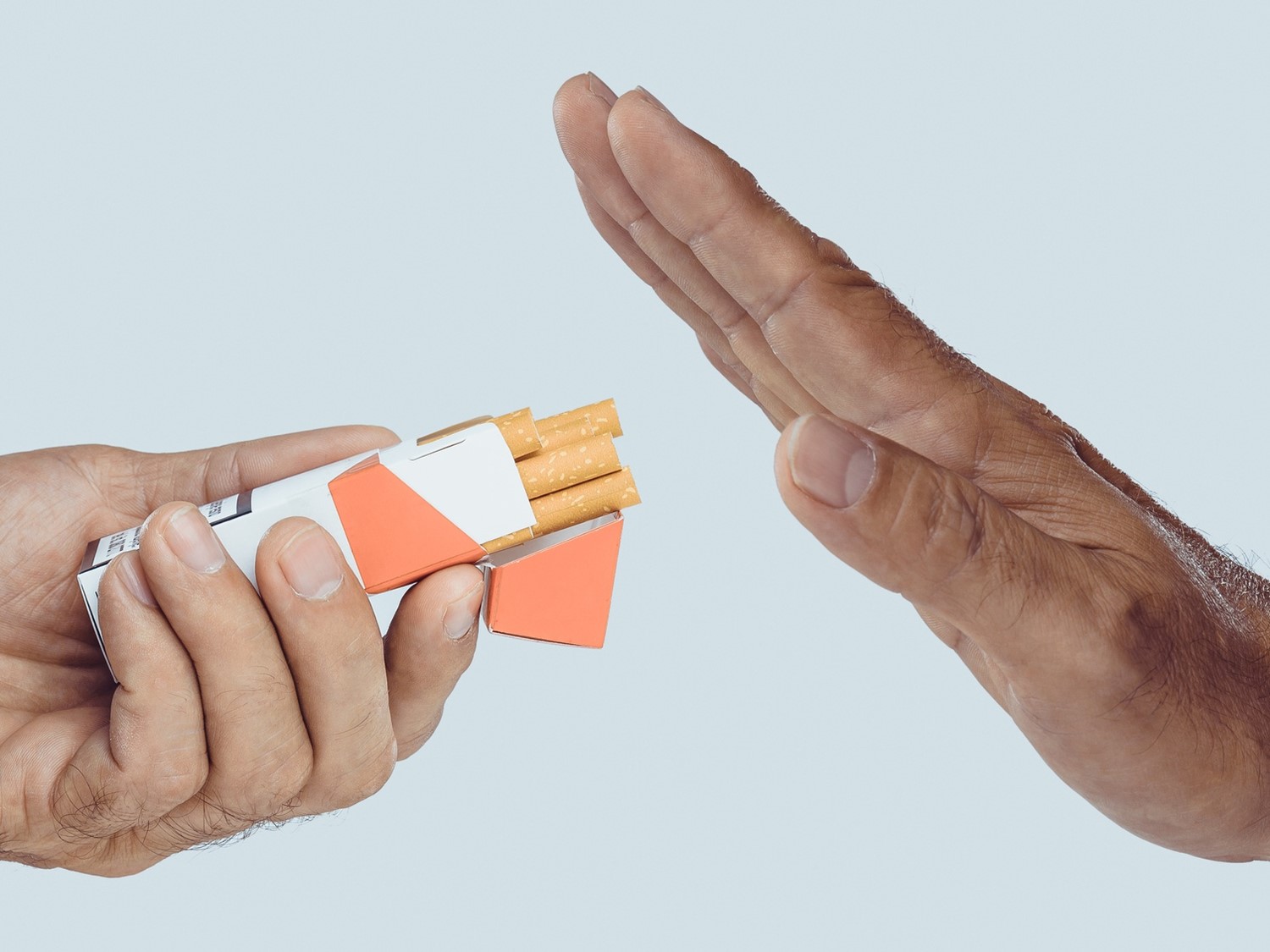
. Irritability. Hunger. Difficulty concentrating. Dizziness . Constipation. A craving for nicotine. Just feeling awful. These symptoms are relieved by the next cigarette. This is the definition of nicotine addiction. Most regular smokers are addicted to nicotine and smoke regularly to feel 'normal' and to prevent nicotine withdrawal symptoms..

Patient information leaflet
Intoxicação alimentar em crianças
Food poisoning occurs quando food or water contaminated com harmful germs (microbes), poisons (toxins) or chemicals is eaten or drunk. It usually causes diarrhoea, with or without being sick (vomiting). In most cases, symptoms clear away over several days but sometimes it takes longer. The main risk of food poisoning is a lack of fluid in the body.

Patient information leaflet
Câncer de pele melanoma
Melanoma (also called malignant melanoma) is the most serious type of skin cancer. It affects young adults as well as older people. It can be caused by too much sun exposure, but sometimes even people who haven't had much sun get melanoma too. The treatment for melanoma is mainly surgical but other treatments, including chemotherapy and.

Patient information leaflet
Medical cannabis in palliative care
Research in this area is en. Anxiety and emotional distress Some people find that medical cannabis help reduce anxiety and improve relaxation. However, THC containing medicines can occasionally worsen anxiety in some individuals, so careful prescribing and monitoring are important. Generally medicines containing higher levels of CBD and lower.
Leitura adicional e referências
- double homeobox 4; MedlinePlus, National Library of Medicine.
- Geng LN, Yao Z, Snider L, Fong AP, Cech JN, Young JM, van der Maarel SM, Ruzzo WL, Gentleman RC, Tawil R, Tapscott SJ. DUX4 activates germline genes, retroelements, and immune mediators: implications for facioscapulohumeral dystrophy. Dev Cell. 2012 Jan 17;22(1):38-51. doi: 10.1016/j.devcel.2011.11.013. Epub 2011 Dec 29.
- Lemmers RJ, Tawil R, Petek LM, Balog J, Block GJ, Santen GW, Amell AM, van der Vliet PJ, Almomani R, Straasheijm KR, Krom YD, Klooster R, Sun Y, den Dunnen JT, Helmer Q, Donlin-Smith CM, Padberg GW, van Engelen BG, de Greef JC, Aartsma-Rus AM, Frants RR, de Visser M, Desnuelle C, Sacconi S, Filippova GN, Bakker B, Bamshad MJ, Tapscott SJ, Miller DG, van der Maarel SM. Digenic inheritance of an SMCHD1 mutation and an FSHD-permissive D4Z4 allele causes facioscapulohumeral muscular dystrophy type 2. Nat Genet. 2012 Dec;44(12):1370-4. doi: 10.1038/ng.2454. Epub 2012 Nov 11.
- Lemmers RJ, van der Vliet PJ, Klooster R, Sacconi S, Camano P, Dauwerse JG, Snider L, Straasheijm KR, van Ommen GJ, Padberg GW, Miller DG, Tapscott SJ, Tawil R, Frants RR, van der Maarel SM. A unifying genetic model for facioscapulohumeral muscular dystrophy. Science. 2010 Sep 24;329(5999):1650-3. doi: 10.1126/science.1189044. Epub 2010 Aug 19.
- Sacconi S, Salviati L, Desnuelle C. Facioscapulohumeral muscular dystrophy. Biochim Biophys Acta. 2015 Apr;1852(4):607-14. doi: 10.1016/j.bbadis.2014.05.021. Epub 2014 May 29.
- Tawil R, van der Maarel SM, Tapscott SJ. Facioscapulohumeral dystrophy: the path to consensus on pathophysiology. Skelet Muscle. 2014 Jun 10;4:12. doi: 10.1186/2044-5040-4-12. eCollection 2014.
- Yao Z, Snider L, Balog J, Lemmers RJ, Van Der Maarel SM, Tawil R, Tapscott SJ. DUX4-induced gene expression is the major molecular signature in FSHD skeletal muscle. Hum Mol Genet. 2014 Oct 15;23(20):5342-52. doi: 10.1093/hmg/ddu251. Epub 2014 May 26.
Participe da conversa
Compartilhe seus pensamentos ou experiências com outros em nosso comunidades de pacientes.

Pergunte, compartilhe, conecte-se.
Navegue por discussões, faça perguntas e compartilhe experiências em centenas de tópicos de saúde.
Inscreva-se no boletim informativo do Patient
Sua dose semanal de conselhos de saúde claros e confiáveis - escritos para ajudá-lo a se sentir informado, confiante e no controle.
Ao se inscrever, você aceita nossos Política de Privacidade. Você pode cancelar a inscrição a qualquer momento. Nunca vendemos seus dados.