1-acylglycerol-3-phosphate O-acyltransferase 2
Última atualização 18 de ago de 2020
Atende aos diretrizes editoriais
- BaixarBaixar
- Compartilhar
- Language
- Discussão
- Versão em Áudio
- Adicionar às fontes preferidas no Google
A AGPAT2 gene provides instructions for making an enzyme that is found in many of the body's cells and tissues. It plays a critical role in the growth and development of adipocytes, which are cells that store fats for energy. Adipocytes are the major component of the body's fatty (adipose) tissue.
Normal function
A AGPAT2 gene provides instructions for making an enzyme that is found in many of the body's cells and tissues. It plays a critical role in the growth and development of adipocytes, which are cells that store fats for energy. Adipocytes are the major component of the body's fatty (adipose) tissue.
The AGPAT2 enzyme is part of a chemical pathway in many cells that produces two important types of fats (lipids): glycerophospholipids and triacylglycerols. Glycerophospholipids are the major component of cell membranes and are involved in chemical signaling within cells. Triacylglycerols (also known as triglycerides) are fat molecules that are stored in adipocytes for later conversion to energy.
The AGPAT2 enzyme is responsible for a particular chemical reaction in the production of these two types of lipids. Specifically, the enzyme helps convert a molecule called lysophosphatidic acid (LPA) to another molecule, phosphatidic acid (PA). Additional reactions convert phosphatidic acid to glycerophospholipids and triacylglycerols.
Conditions referring to this gene or chromosome
Other names
1-acyl-sn-glycerol-3-phosphate acyltransferase beta
1-acylglycerol-3-phosphate O-acyltransferase 2 (lysophosphatidic acid acyltransferase, beta)
1-AGP acyltransferase 2
1-AGPAT2
BSCL1
LPAAB
LPAAT-beta
lysophosphatidic acid acyltransferase-beta
PLCB_HUMAN
Related patient information and medicines

Patient information leaflet
Doença renal diabética
Diabetic kidney disease (diabetic nephropathy) is a complication that occurs in some people with diabetes. Diabetic kidney disease is one of the causes of chronic kidney disease , a long-term condition where the kidneys do not work as well as they should. In diabetic kidney disease, the filters of the kidneys, the glomeruli, become damaged. In.

Patient information leaflet
Deficiência de vitamina D
Vitamin D deficiency happens when your body does not have enough vitamin D. This is a nutrient that helps keep bones, teeth, and muscles healthy. Vitamin D deficiency is common, especially in people who get little sunlight or have low vitamin D intake from their diet. What is vitamin D deficiency. Vitamin D deficiency means you don’t have enough.

Patient information leaflet
Posso tomar Gengibre e Vitamina C juntos?
Our Medicines Interaction Checker helps you check whether your prescriptions, over-the-counter medicines, and supplements are safe to take together. Disclaimer This information is for general educational purposes only and should not be reli... Always consult your GP, pharmacist, or another qualified healthcare professional before making decisions.

Patient information leaflet
Síndrome de realimentação
Refeeding syndrome was first described in Far East prisoners after the second world war when they developed heart failure after starting to eat again after a prolonged period of starvation. Refeeding syndrome is a dangerous and life threatening shift of fluids and body salts (electrolytes) that can occur when malnourished patients receive.
Patient information leaflet
Doença renal crônica
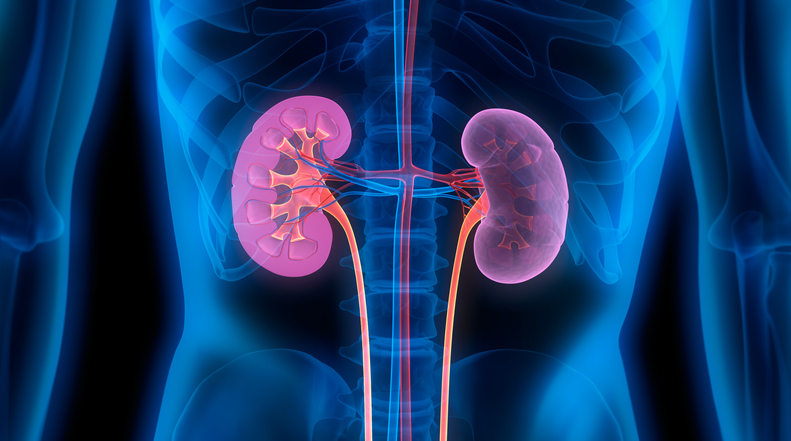
Chronic kidney disease (CKD) means that the kidneys are not working as well as they used to, either due to being diseased or damaged in some way, or due to ageing. A range of conditions can cause chronic kidney disease (see later). Chronic means ongoing, persistent and long-term. Chronic kidney disease used to be called chronic renal failure but.

Patient information leaflet
Posso tomar garra do diabo e vitamina C juntos?
Ou... Simply search for your medicines to see potential interactions and what to do about them. Disclaimer This information is for general educational purposes only and should not be relied upon as a substitute for professional medical advice. Always consult your GP, pharmacist, or another qualified healthcare professional before making decisions.
Leitura adicional e referências
- 1-acylglycerol-3-phosphate O-acyltransferase 2; MedlinePlus, National Library of Medicine.
- Agarwal AK, Arioglu E, De Almeida S, Akkoc N, Taylor SI, Bowcock AM, Barnes RI, Garg A. AGPAT2 is mutated in congenital generalized lipodystrophy linked to chromosome 9q34. Nat Genet. 2002 May;31(1):21-3. doi: 10.1038/ng880. Epub 2002 Apr 22.
- Agarwal AK. Lysophospholipid acyltransferases: 1-acylglycerol-3-phosphate O-acyltransferases. From discovery to disease. Curr Opin Lipidol. 2012 Aug;23(4):290-302. doi: 10.1097/MOL.0b013e328354fcf4.
- Gale SE, Frolov A, Han X, Bickel PE, Cao L, Bowcock A, Schaffer JE, Ory DS. A regulatory role for 1-acylglycerol-3-phosphate-O-acyltransferase 2 in adipocyte differentiation. J Biol Chem. 2006 Apr 21;281(16):11082-9. doi: 10.1074/jbc.M509612200. Epub 2006 Feb 22.
- Magre J, Delepine M, Van Maldergem L, Robert JJ, Maassen JA, Meier M, Panz VR, Kim CA, Tubiana-Rufi N, Czernichow P, Seemanova E, Buchanan CR, Lacombe D, Vigouroux C, Lascols O, Kahn CR, Capeau J, Lathrop M. Prevalence of mutations in AGPAT2 among human lipodystrophies. Diabetes. 2003 Jun;52(6):1573-8. doi: 10.2337/diabetes.52.6.1573.
- Miranda DM, Wajchenberg BL, Calsolari MR, Aguiar MJ, Silva JM, Ribeiro MG, Fonseca C, Amaral D, Boson WL, Resende BA, De Marco L. Novel mutations of the BSCL2 and AGPAT2 genes in 10 families with Berardinelli-Seip congenital generalized lipodystrophy syndrome. Clin Endocrinol (Oxf). 2009 Oct;71(4):512-7. doi: 10.1111/j.1365-2265.2009.03532.x. Epub 2009 Feb 18.
- Patni N, Garg A. Congenital generalized lipodystrophies--new insights into metabolic dysfunction. Nat Rev Endocrinol. 2015 Sep;11(9):522-34. doi: 10.1038/nrendo.2015.123. Epub 2015 Aug 4.
Participe da conversa
Compartilhe seus pensamentos ou experiências com outros em nosso comunidades de pacientes.

Pergunte, compartilhe, conecte-se.
Navegue por discussões, faça perguntas e compartilhe experiências em centenas de tópicos de saúde.
Inscreva-se no boletim informativo do Patient
Sua dose semanal de conselhos de saúde claros e confiáveis - escritos para ajudá-lo a se sentir informado, confiante e no controle.
Ao se inscrever, você aceita nossos Política de Privacidade. Você pode cancelar a inscrição a qualquer momento. Nunca vendemos seus dados.