Febre familiar do Mediterrâneo
Última atualização 4 Mar 2026
Atende aos diretrizes editoriais
- BaixarBaixar
- Compartilhar
- Language
- Discussão
- Ask Patient
- Versão em Áudio
- Adicionar às fontes preferidas no Google
Familial Mediterranean fever is an inherited condition characterised by recurrent episodes of painful inflammation in the abdomen, chest, or joints. These episodes are often accompanied by fever and sometimes a rash or headache. Occasionally inflammation may occur in other parts of the body, such as the heart; the membrane surrounding the brain and spinal cord; and in males, the testicles. In about half of affected individuals, attacks are preceded by mild signs and symptoms known as a prodrome. Prodromal symptoms include mildly uncomfortable sensations in the area that will later become inflamed, or more general feelings of discomfort.
Escolhas de vídeos para Condições genéticasBiblioteca de vídeos
Descrição
Familial Mediterranean fever is an inherited condition characterised by recurrent episodes of painful inflammation in the abdomen, chest, or joints. These episodes are often accompanied by fever and sometimes a rash or headache. Occasionally inflammation may occur in other parts of the body, such as the heart; the membrane surrounding the brain and spinal cord; and in males, the testicles. In about half of affected individuals, attacks are preceded by mild signs and symptoms known as a prodrome. Prodromal symptoms include mildly uncomfortable sensations in the area that will later become inflamed, or more general feelings of discomfort.
The first episode of illness in familial Mediterranean fever usually occurs in childhood or the teenage years, but in some cases, the initial attack occurs much later in life. Typically, episodes last 12 to 72 hours and can vary in severity. Episodes generally occur once a month, and in affected women of reproductive age, attacks often correspond with menstruation or ovulation. However, the length of time between episodes can range from days to years. During these periods, affected individuals usually have no signs or symptoms related to the condition. However, without treatment to help prevent attacks and complications, a buildup of protein deposits (amyloidosis) in the body's organs and tissues may occur, especially in the kidneys, which can lead to kidney failure.
Padrões de herança
The source lists the following possible inheritance patterns: Autosomal dominant; Autosomal recessive. More than one pattern can apply in different cases.
Related genes
Other names
Benign paroxysmal peritonitis
Familial paroxysmal polyserositis
FMF
MEF
Recurrent polyserositis
Reimann periodic disease
Siegal-Cattan-Mamou disease
Wolff periodic disease
Related patient information and medicines

Patient information leaflet
Viajando para locais remotos
These will protect against snow blindness, a painful condition caused by overexposure to ultraviolet light. Consider your children's well-being during remote travel Taking children to remote and exotic places can be exciting and educational for the child. However, children may also face risks to health. Consider whether there is enough medical.
Patient information leaflet
Febre
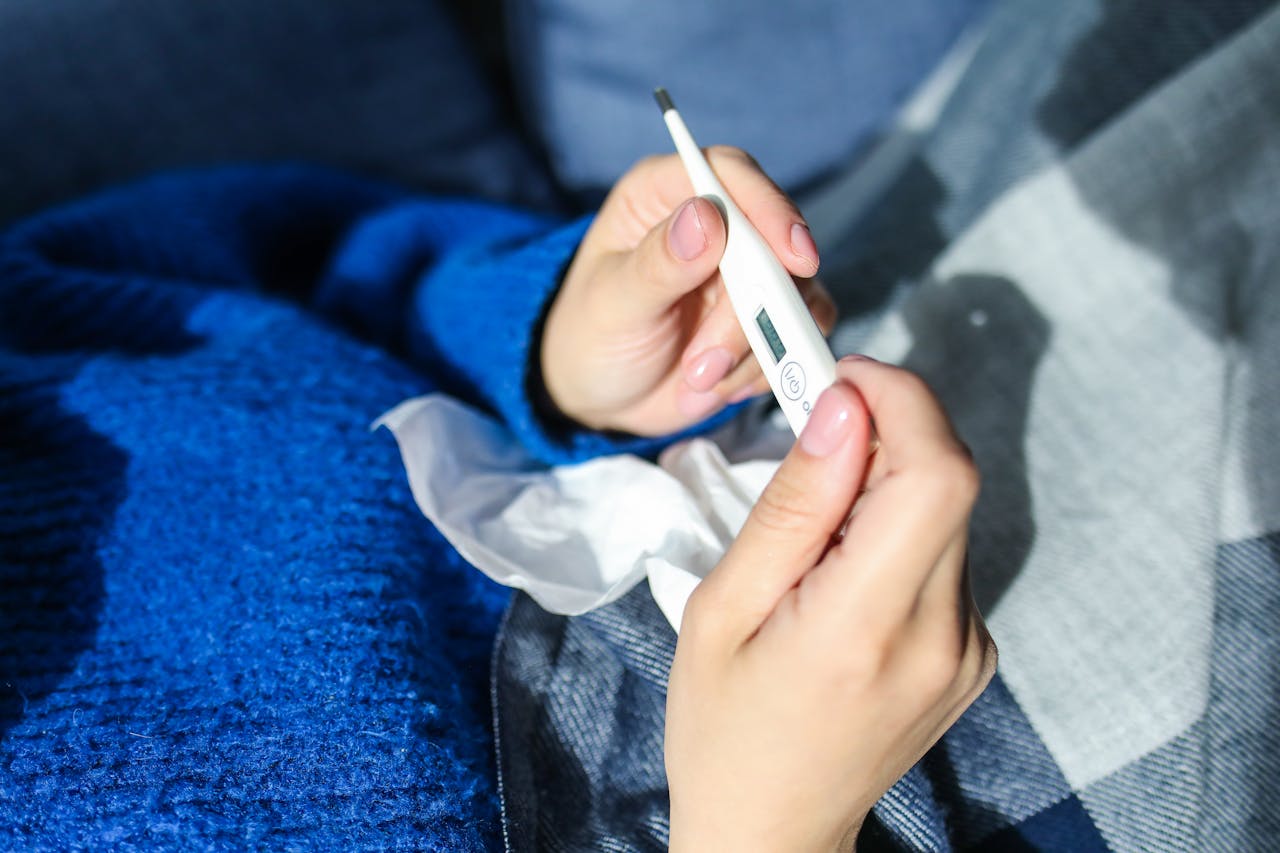
A fever, muda known as a high temperature or high fever, é quando your body temperature temporarily rises above 38°C (100.4°F). This leaflet explains the what causes a fever, signs you have a fever, and when you should see a doctor. ...Twitter: [https://twitter.com/patient](https://twitter.com/patient) Pinterest:.

Patient information leaflet
Dengue
Dengue (which used to be called dengue fever) is a viral illness which is very common in the tropics and subtropics. It is usually a flu-like illness lasting under a week but it can sometimes be very serious, even fatal. What is dengue. Dengue is a mosquito-borne viral illness carried by the Aedes mosquito. There are four 'strains' of the dengue.

Patient information leaflet
Convulsão febril
A febrile seizure é a convulsion that occurs in some crianças com a high temperature (fever). The vast majority of febrile seizures are not serious. Most occur with mild common illnesses. Full recovery with no permanent damage is usual. The main treatment is aimed at the illness that caused the fever. What causes a febrile seizure. A febrile.

Patient information leaflet
Dor de garganta
Key points A dor de garganta é pain or irritation in the back of the throat that is often worse when swallowing. It is usually caused by viral infections, such as the cold or flu, but bacteria, allergies, irritants, or acid reflux can also be the cause. Common symptoms include pain, scratchiness, and swollen glands. See a doctor if the pain is.
Patient information leaflet
Glândulas linfáticas inchadas
Glândulas linfáticas inchadas (also called lymph nodes) are usually a sign that your body is fighting infecção, but they can have other causes. Common areas for swollen glands include the neck, under the chin, in the armpits and in the groin. If your glands haven't gone down after 2 weeks, are getting bigger, or you are struggling to ... What are swollen.
Leitura adicional e referências
- Febre familiar do Mediterrâneo; MedlinePlus, National Library of Medicine.
- Bakkaloglu A. Familial Mediterranean fever. Pediatr Nephrol. 2003 Sep;18(9):853-9. doi: 10.1007/s00467-003-1185-2. Epub 2003 Jun 27.
- Bhat A, Naguwa SM, Gershwin ME. Genetics and new treatment modalities for familial Mediterranean fever. Ann N Y Acad Sci. 2007 Sep;1110:201-8. doi: 10.1196/annals.1423.022.
- Booth DR, Gillmore JD, Lachmann HJ, Booth SE, Bybee A, Soyturk M, Akar S, Pepys MB, Tunca M, Hawkins PN. The genetic basis of autosomal dominant familial Mediterranean fever. QJM. 2000 Apr;93(4):217-21. doi: 10.1093/qjmed/93.4.217.
- Eisenstein EM, Berkun Y, Ben-Chetrit E. Familial Mediterranean fever: a critical digest of the 2012-2013 literature. Clin Exp Rheumatol. 2013 May-Jun;31(3 Suppl 77):103-7. Epub 2013 Sep 9.
- Lidar M, Kedem R, Berkun Y, Langevitz P, Livneh A. Familial Mediterranean fever in Ashkenazi Jews: the mild end of the clinical spectrum. J Rheumatol. 2010 Feb;37(2):422-5. doi: 10.3899/jrheum.090401. Epub 2009 Dec 15.
- Lidar M, Livneh A. Familial Mediterranean fever: clinical, molecular and management advancements. Neth J Med. 2007 Oct;65(9):318-24.
- Mikula M, Buller A, Sun W, Strom CM. Prevalence of known mutations in the familial Mediterranean fever gene (MEFV) in various carrier screening populations. Genet Med. 2008 May;10(5):349-52. doi: 10.1097/GIM.0b013e3181723cc8.
- Rabinovitch E, Harats D, Yaron P, Luvish T, Lidar M, Kedem R, Shaish A, Ben-Dov I, Livneh A. Familial Mediterranean fever gene and protection against asthma. Ann Allergy Asthma Immunol. 2007 Dec;99(6):517-21. doi: 10.1016/S1081-1206(10)60380-8.
- Stoffman N, Magal N, Shohat T, Lotan R, Koman S, Oron A, Danon Y, Halpern GJ, Lifshitz Y, Shohat M. Higher than expected carrier rates for familial Mediterranean fever in various Jewish ethnic groups. Eur J Hum Genet. 2000 Apr;8(4):307-10. doi: 10.1038/sj.ejhg.5200446.
- Yepiskoposyan L, Harutyunyan A. Population genetics of familial Mediterranean fever: a review. Eur J Hum Genet. 2007 Sep;15(9):911-6. doi: 10.1038/sj.ejhg.5201869. Epub 2007 Jun 13.
- Zadeh N, Getzug T, Grody WW. Diagnosis and management of familial Mediterranean fever: integrating medical genetics in a dedicated interdisciplinary clinic. Genet Med. 2011 Mar;13(3):263-9. doi: 10.1097/GIM.0b013e31820e27b1.
Compartilhe seus pensamentos ou experiências com outros em nosso comunidades de pacientes.
Acesso simples a tratamentos confiáveis e serviços de saúde online.
Common conditions
Get help with common conditions through the NHS, without a GP appointment.
 Sinusite aguda
 Amigdalite bacteriana
 Impetigo
 Mordidas de insetos
 Herpes zosterInfecção do trato urinário (ITUs)
Inscreva-se no boletim informativo do Patient
Sua dose semanal de conselhos de saúde claros e confiáveis - escritos para ajudá-lo a se sentir informado, confiante e no controle.
Ao se inscrever, você aceita nossos Política de Privacidade. Você pode cancelar a inscrição a qualquer momento. Nunca vendemos seus dados.