Familial isolated hyperparathyroidism
Última atualização 23 Jan 2026
Atende aos diretrizes editoriais
- BaixarBaixar
- Compartilhar
- Language
- Discussão
- Ask Patient
- Versão em Áudio
- Adicionar às fontes preferidas no Google
Familial isolated hyperparathyroidism is an inherited condition that is characterised by overactive parathyroid glands (hyperparathyroidism). The four parathyroid glands are located in the neck. They release a hormone called parathyroid hormone that regulates the amount of calcium in the blood.
Descrição
Familial isolated hyperparathyroidism is an inherited condition that is characterised by overactive parathyroid glands (hyperparathyroidism). The four parathyroid glands are located in the neck. They release a hormone called parathyroid hormone that regulates the amount of calcium in the blood.
In people with familial isolated hyperparathyroidism, too much parathyroid hormone is produced, and levels of calcium in the blood become elevated (hypercalcemia). Hypercalcemia causes many of the common signs and symptoms of familial isolated hyperparathyroidism, such as kidney stones, nausea, vomiting, high blood pressure (hypertension), thinning of the bones (osteoporosis), weakness, and fatigue.
Many people with familial isolated hyperparathyroidism have one or more noncancerous (benign) tumours called adenomas. Typically, only one of the four parathyroid glands is affected, but sometimes more than one gland has an adenoma. Rarely, the tumour can become cancerous; this is called parathyroid carcinoma.
In some cases, familial isolated hyperparathyroidism may not be diagnosed until adulthood. Often, the first indication of the condition is elevated calcium levels that are identified during a routine blood test, even though the affected individual may not yet have signs or symptoms of hyperparathyroidism or hypercalcemia.
Padrões de herança
The source lists the following possible inheritance patterns: Autosomal dominant. More than one pattern can apply in different cases.
Related genes
Other names
FIHP
Related patient information and medicines
Patient information leaflet
Hiperparatireoidismo
Hyperparathyroidism occurs when too much parathyroid hormone is released by the parathyroid glands in the neck. ... Primary hyperparathyroidism does not usually run in families. However, in a very small number of people, it can be the result of an inherited condition called familial isolated hyperparathyroidism. Also, rarely, it may be inherited.

Patient information leaflet
Problemas de tireoide e paratireoide
This leaflet gives a brief overview of the thyroid and parathyroid glands and the common medical problems which can occur with these. What are the thyroid and parathyroid glands. Thyroid scans and uptake tests Taking a sample of tissue for analysis (a biopsy) Biopsy. PatientPicksPlaceholder Types of parathyroid disorders Overactive parathyroid.
Patient information leaflet
Condrocalcinose
Chondrocalcinosis is very common but only tends to cause symptoms when it is caused by an underlying condition, such as osteoarthritis. The disease can also be related to many other disorders, such as hyperparathyroidism Hyperparathyroidism , hypothyroidism Underactive thyroid gland , low magnesium (hypomagnesaemia), low phosphate.
Patient information leaflet
Deposição de pirofosfato de cálcio
An attack of pseudogout is triggered by CPP crystal formation. Several conditions can trigger crystal formation, including: Lack of fluid ( dehydration Dehydration ). An attack of any severe illness. Overactivity of the parathyroid glands ( hyperparathyroidism Hyperparathyroidism ). Long-term use of steroid medicine Oral steroids. Underactive.
Patient information leaflet
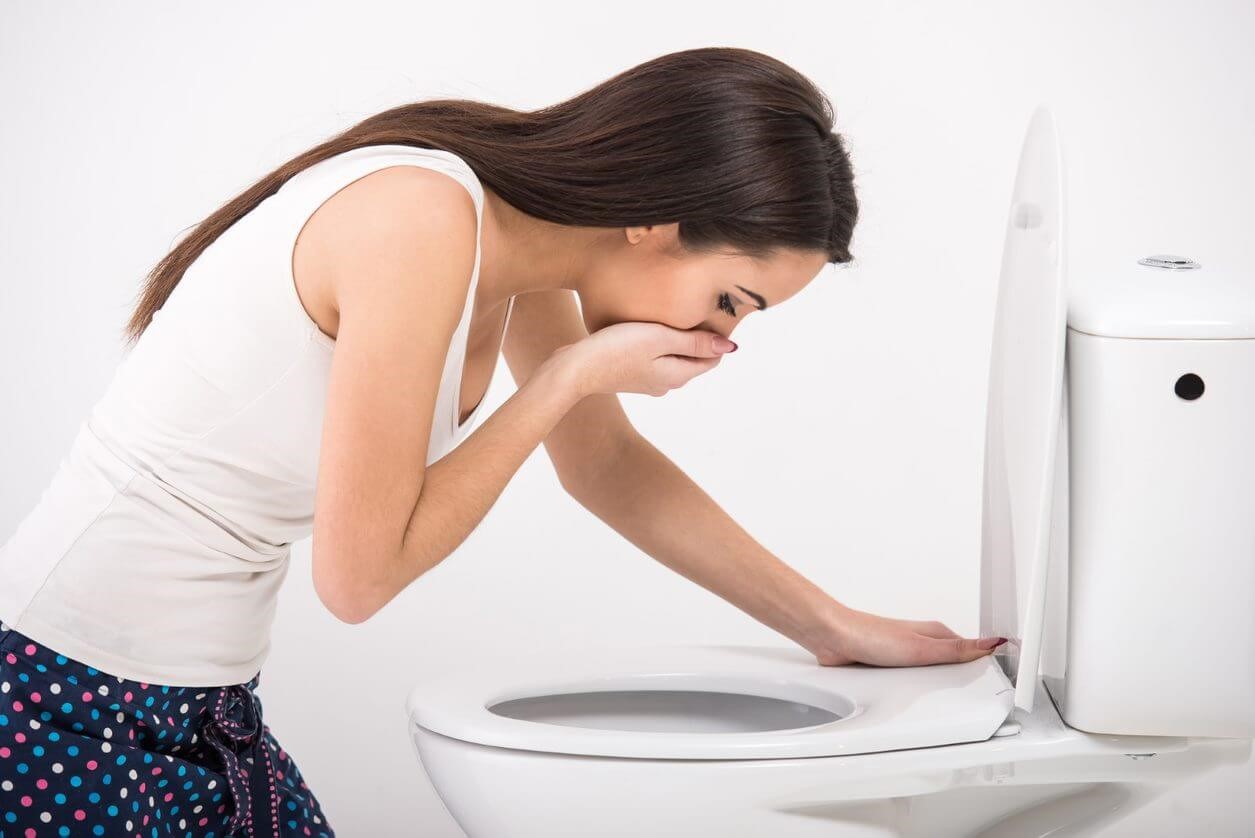
Náusea e vômito
Hypercalcaemia. A high calcium level is most commonly due to parathyroid gland overactivity Hyperparathyroidism , but it can also be caused by certain cancers. Other causes Appendicitis Appendicitis , inflammation of the pancreas (pancreatitis) Acute pancreatitis , kidney stones Kidney stones , stomach ulcers , and gallstones Gallstones can all.

Patient information leaflet
Hiperlipidemia
Hiperlipidemia means a high level of cholesterol or triglycerides in your blood. What causes hyperlipidaemia. Other causes include: An underactive thyroid gland (hypothyroidism) Underactive thyroid gland. Obstructive jaundice ... Xanthelasma - fatty deposits in the eyelids. Xanthelasma_palpebrarum Bobtheowl2 at the English Wikipedia, CC BY-SA 3.0.
Leitura adicional e referências
- Familial isolated hyperparathyroidism; MedlinePlus, National Library of Medicine.
- Cetani F, Dinoi E, Pierotti L, Pardi E. Familial states of primary hyperparathyroidism: an update. J Endocrinol Invest. 2024 Sep;47(9):2157-2176. doi: 10.1007/s40618-024-02366-7. Epub 2024 Apr 18.
- Cetani F, Pardi E, Aretini P, Saponaro F, Borsari S, Mazoni L, Apicella M, Civita P, La Ferla M, Caligo MA, Lessi F, Mazzanti CM, Torregossa L, Oppo A, Marcocci C. Whole exome sequencing in familial isolated primary hyperparathyroidism. J Endocrinol Invest. 2020 Feb;43(2):231-245. doi: 10.1007/s40618-019-01107-5. Epub 2019 Sep 5.
- Cetani F, Saponaro F, Borsari S, Marcocci C. Familial and Hereditary Forms of Primary Hyperparathyroidism. Front Horm Res. 2019;51:40-51. doi: 10.1159/000491037. Epub 2018 Nov 19.
- English KA, Lines KE, Thakker RV. Genetics of hereditary forms of primary hyperparathyroidism. Hormones (Athens). 2024 Mar;23(1):3-14. doi: 10.1007/s42000-023-00508-9. Epub 2023 Dec 1.
- Guan B, Welch JM, Sapp JC, Ling H, Li Y, Johnston JJ, Kebebew E, Biesecker LG, Simonds WF, Marx SJ, Agarwal SK. GCM2-Activating Mutations in Familial Isolated Hyperparathyroidism. Am J Hum Genet. 2016 Nov 3;99(5):1034-1044. doi: 10.1016/j.ajhg.2016.08.018. Epub 2016 Oct 13.
- Hannan FM, Nesbit MA, Christie PT, Fratter C, Dudley NE, Sadler GP, Thakker RV. Familial isolated primary hyperparathyroidism caused by mutations of the MEN1 gene. Nat Clin Pract Endocrinol Metab. 2008 Jan;4(1):53-8. doi: 10.1038/ncpendmet0718.
- Marini F, Giusti F, Brandi ML. Congenital primary hyperparathyroidism. Best Pract Res Clin Endocrinol Metab. 2025 Mar;39(2):101982. doi: 10.1016/j.beem.2025.101982. Epub 2025 Jan 31.
- Newey PJ. Hereditary Primary Hyperparathyroidism. Endocrinol Metab Clin North Am. 2021 Dec;50(4):663-681. doi: 10.1016/j.ecl.2021.08.003.
- Skefos CM, Waguespack SG, Perrier ND, Hu MI. CDC73-Related Disorders. 2008 Dec 31 [updated 2023 Sep 21]. In: Adam MP, Bick S, Mirzaa GM, Wallace SE, Amemiya A, editors. GeneReviews(R) [Internet]. Seattle (WA): University of Washington, Seattle; 1993-2026. Available from http://www.ncbi.nlm.nih.gov/books/NBK3789/
- Vincze S, Peters NV, Kuo CL, Brown TC, Korah R, Murtha TD, Bellizzi J, Riccardi A, Parham K, Carling T, Costa-Guda J, Arnold A. GCM2 Variants in Familial and Multiglandular Primary Hyperparathyroidism. J Clin Endocrinol Metab. 2022 Apr 19;107(5):e2021-e2026. doi: 10.1210/clinem/dgab929.
Compartilhe seus pensamentos ou experiências com outros em nosso comunidades de pacientes.
Acesso simples a tratamentos confiáveis e serviços de saúde online.
Common conditions
Get help with common conditions through the NHS, without a GP appointment.
 Sinusite aguda
 Amigdalite bacteriana
 Impetigo
 Mordidas de insetos
 Herpes zosterInfecção do trato urinário (ITUs)
Inscreva-se no boletim informativo do Patient
Sua dose semanal de conselhos de saúde claros e confiáveis - escritos para ajudá-lo a se sentir informado, confiante e no controle.
Ao se inscrever, você aceita nossos Política de Privacidade. Você pode cancelar a inscrição a qualquer momento. Nunca vendemos seus dados.