Atelosteogenesis type 2
Última atualização 18 de ago de 2020
Atende aos diretrizes editoriais
- BaixarBaixar
- Compartilhar
- Language
- Discussão
- Versão em Áudio
- Adicionar às fontes preferidas no Google
Atelosteogenesis type 2 is a severe disorder of cartilage and bone development. Infants born with this condition have very short arms and legs, a narrow chest, and a prominent, rounded abdomen. This disorder is also characterised by an opening in the roof of the mouth (a cleft palate), distinctive facial features, an inward- and upward-turning foot (clubfoot), and unusually positioned thumbs (hitchhiker thumbs).
Descrição
Atelosteogenesis type 2 is a severe disorder of cartilage and bone development. Infants born with this condition have very short arms and legs, a narrow chest, and a prominent, rounded abdomen. This disorder is also characterised by an opening in the roof of the mouth (a cleft palate), distinctive facial features, an inward- and upward-turning foot (clubfoot), and unusually positioned thumbs (hitchhiker thumbs).
The signs and symptoms of atelosteogenesis type 2 are similar to those of another skeletal disorder called diastrophic dysplasia; however, atelosteogenesis type 2 is typically more severe. As a result of serious health problems, infants with this disorder are usually stillborn or die soon after birth from respiratory failure. Some infants, however, have lived for a short time with intensive medical support.
Padrões de herança
The source lists the following possible inheritance patterns: Autosomal recessive. More than one pattern can apply in different cases.
Related genes
Other names
AO2
Atelosteogenesis de la Chapelle type
Atelosteogenesis, type 2
De la Chapelle dysplasia
McAlister dysplasia
Neonatal osseous dysplasia 1
Related patient information and medicines

Patient information leaflet
Diabetes tipo 1
Diabetes tipo 1 é the type of diabetes that typically develops in children e in young adults. In type 1 diabetes the body stops making insulin and the blood sugar (glucose) level goes very high. The above symptoms tend to develop quite quickly, over a f... However, without treatment , the blood sugar (glucose) level becomes very high and acids.
Patient information leaflet
Fasciíte necrosante
Necrotising fasciitis is an infection which destroys areas of the skin and the tissues underneath. It is a very severe condition which can be fatal. ... Necrotising fasciitis is a rare but very serious infection of the skin and underlying tissues. It is pronounced neck-roe-tie-zing fash-ee-eye-tis. Type 1: several types of germ are involved. Type.
Patient information leaflet
Insulina
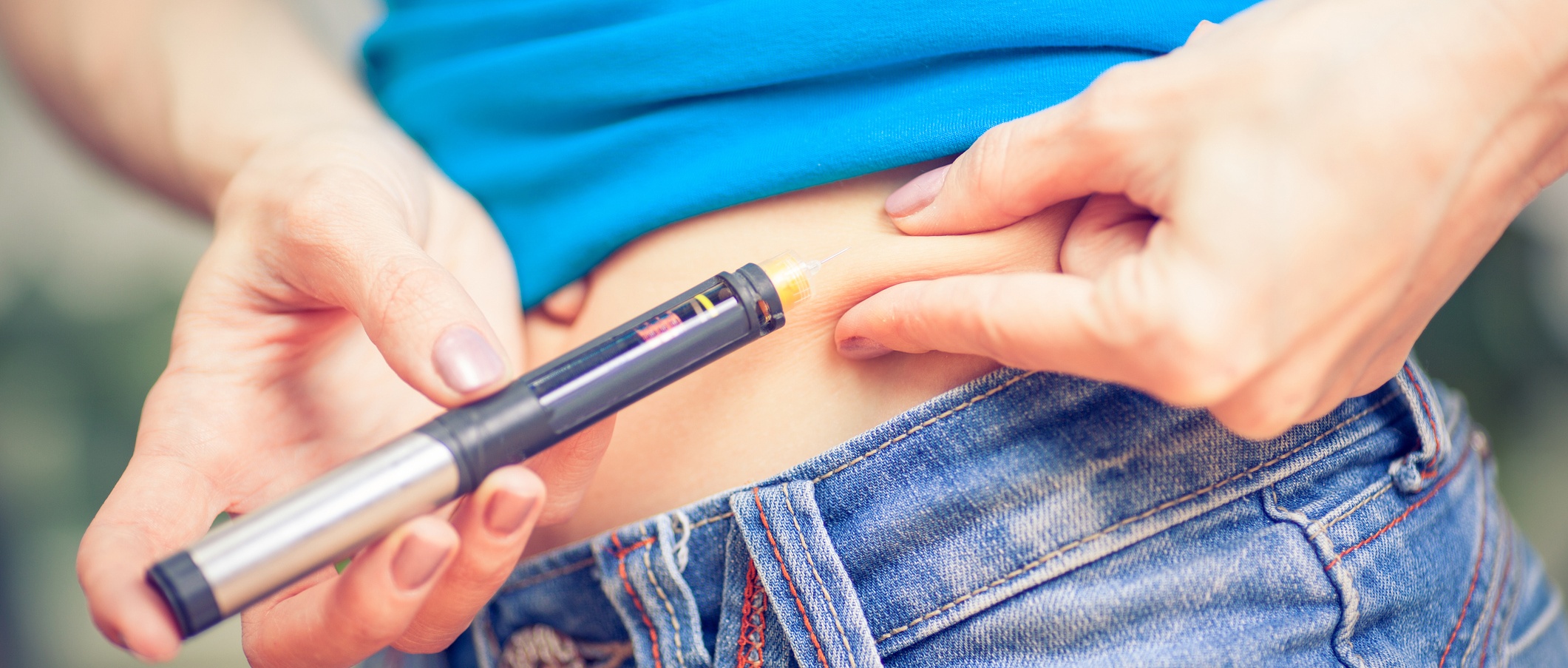
Insulin is a hormone made naturally in the body by the pancreas. This hormone controls the level of sugar (glucose) in the blood. Dos... See references below. Type 2 diabetes Type 2 diabetes is the type which occurs mostly in people aged over 40 years but is becoming more common in younger adults and in children. The first-line treatment is diet,.
Patient information leaflet
Diabetes
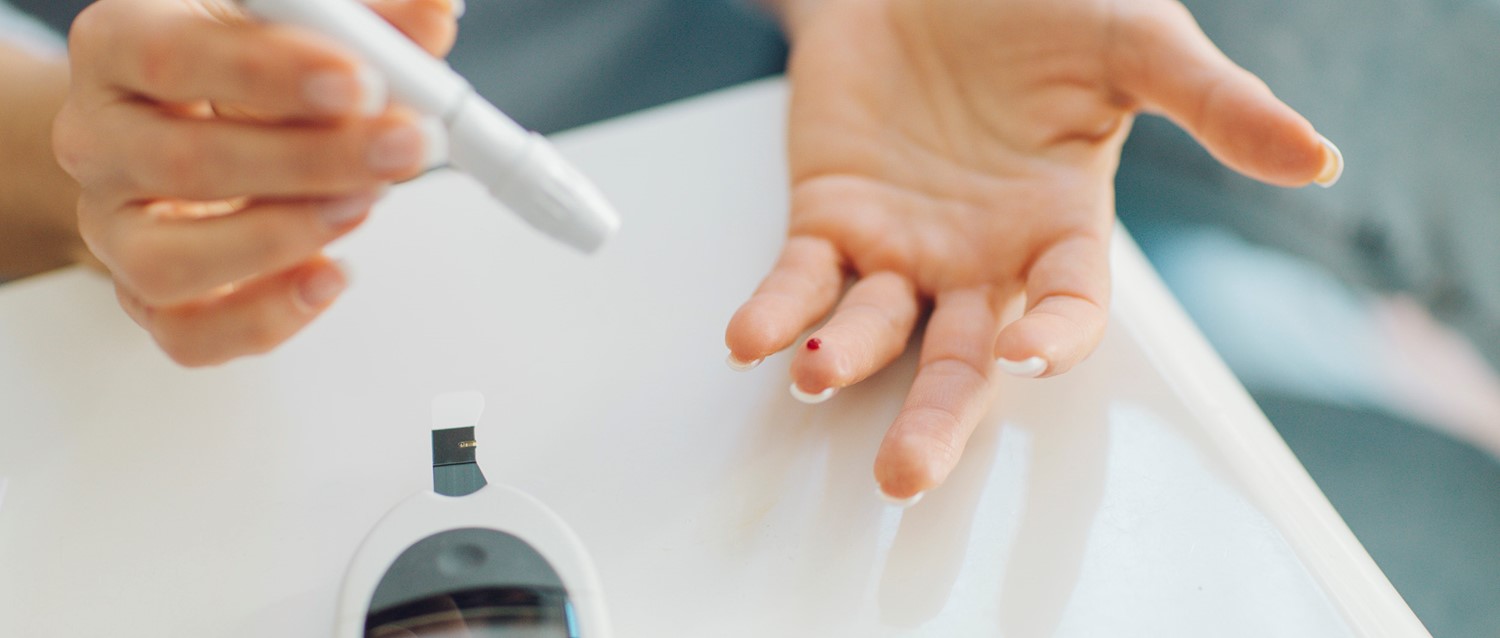
There are two main types of diabetes - type 1 diabetes e type 2 diabetes. Type 1 usually first develops in children or in young adults. Infections A very high blood glucose level sometime... Ketoacidosis For people with type 1 diabetes, high blood glucose levels pode lead to acids called ketones in the bloodstream (this is called ketoacidosis)..
Patient information leaflet
Doença de Paget do osso
Affected bones são weaker than normal and may become deformed and may break (fracture) more easily than normal. Treatment with a bisphosphonate medicine is used in some cases to ease pain and to help treat complications. Understanding normal bone Bone is a living tissue. There is a slow... What is Paget's disease of bone. Paget's disease of bone.

Patient information leaflet
Diabetes e doença
It is very important to know how to cope with illness if you have diabetes or know or care for somebody with diabetes. If in doubt, always seek advice from your doctor or nurse straightaway. Further information on managing diabetes durante a period of illness é available on the Diabetes UK website (see Further Reading below for the link). There is.
Leitura adicional e referências
- Atelosteogenesis type 2; MedlinePlus, National Library of Medicine.
- Hastbacka J, Superti-Furga A, Wilcox WR, Rimoin DL, Cohn DH, Lander ES. Atelosteogenesis type II is caused by mutations in the diastrophic dysplasia sulfate-transporter gene (DTDST): evidence for a phenotypic series involving three chondrodysplasias. Am J Hum Genet. 1996 Feb;58(2):255-62.
- Newbury-Ecob R. Atelosteogenesis type 2. J Med Genet. 1998 Jan;35(1):49-53. doi: 10.1136/jmg.35.1.49.
- Rossi A, Superti-Furga A. Mutations in the diastrophic dysplasia sulfate transporter (DTDST) gene (SLC26A2): 22 novel mutations, mutation review, associated skeletal phenotypes, and diagnostic relevance. Hum Mutat. 2001 Mar;17(3):159-71. doi: 10.1002/humu.1.
- Superti-Furga A, Unger S. SLC26A2-Related Atelosteogenesis. 2002 Aug 30 [updated 2026 Sep 3]. In: Adam MP, Bick S, Mirzaa GM, Wallace SE, Amemiya A, editors. GeneReviews(R) [Internet]. Seattle (WA): University of Washington, Seattle; 1993-2026. Available from http://www.ncbi.nlm.nih.gov/books/NBK1317/
Participe da conversa
Compartilhe seus pensamentos ou experiências com outros em nosso comunidades de pacientes.

Pergunte, compartilhe, conecte-se.
Navegue por discussões, faça perguntas e compartilhe experiências em centenas de tópicos de saúde.
Inscreva-se no boletim informativo do Patient
Sua dose semanal de conselhos de saúde claros e confiáveis - escritos para ajudá-lo a se sentir informado, confiante e no controle.
Ao se inscrever, você aceita nossos Política de Privacidade. Você pode cancelar a inscrição a qualquer momento. Nunca vendemos seus dados.