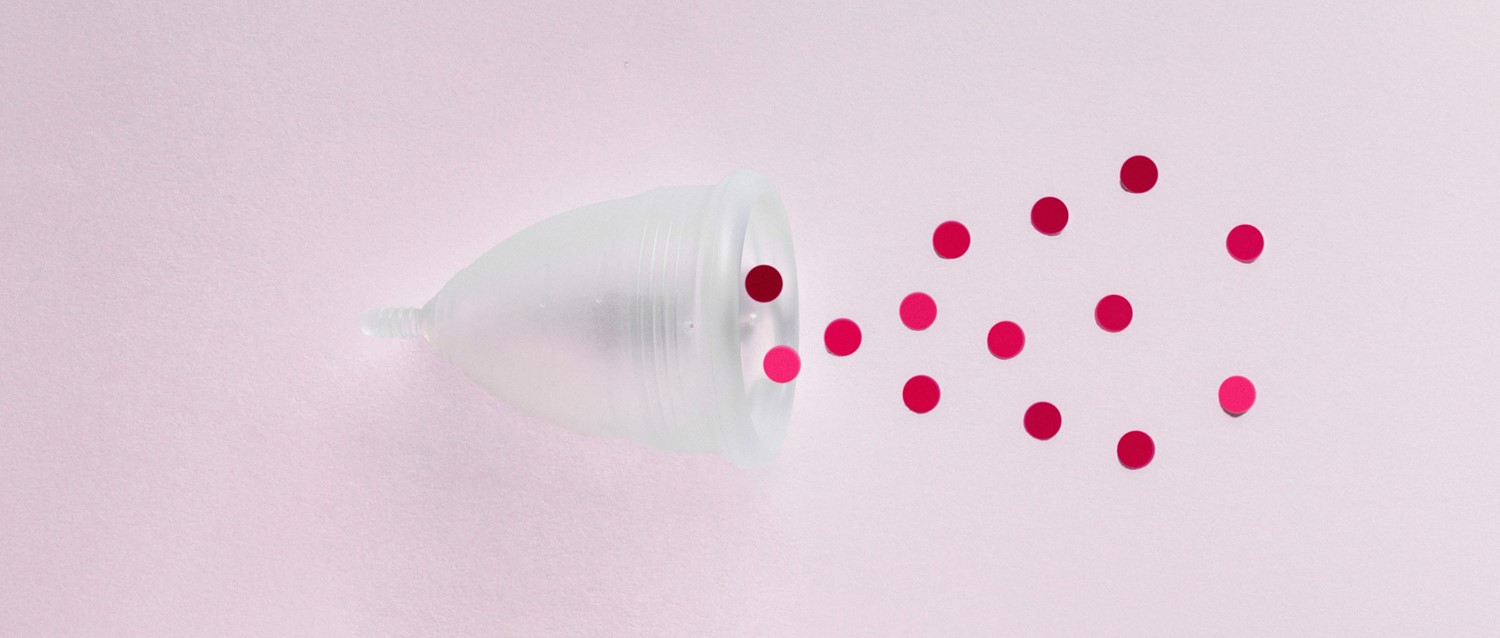
Copos menstruais tão seguros e eficazes quanto absorventes e tampões
Revisado por Natalie HealeyAutoria de Milly EvansPublicado originalmente 17 Jul 2019
Atende aos diretrizes editoriais
- BaixarBaixar
- Compartilhar
- Language
- Discussão
- Versão em Áudio
- Adicionar às fontes preferidas no Google
A primeira revisão científica de copos menstruais já realizada constatou que eles são seguros para uso e tão eficazes, senão mais, do que outros produtos de higiene feminina.
Published in The Lancet Public Health, the findings from 43 studies and data from 3,300 women and girls found that not only are menstrual cups safe, but they may actually result in similar or lower leakage than disposable pads and tampons. Results from 13 of the studies found that 70% of women wanted to continue using menstrual cups after they were introduced to them but found that practice, peer support and training were key to successful use.
Menstrual cups are a form of reusable menstrual protection, normally made from medical grade silicone, rubber, latex or elastomer, which collect blood rather than absorbing it. They need to be emptied every four to 12 hours, depending on the cup and the user's blood flow. There are two types of menstrual cup: vaginal and cervical.
They are often marketed as an eco-friendly and cost-effective alternative to pads and tampons as they can be reused for up to 10 years and for many people replace disposable products. It is estimated that over 10 years, a cup creates only 0.4% of the plastic waste of single-use pads or 6% of the waste of tampons. The costs of the cups vary but on average could cost 5-7% of the price of 12 pads or tampons per period. The authors stressed the need to look further at the cost-effectiveness and environmental effects of different products.
Researchers found a lack of high-quality research into menstrual cups, despite their effectiveness. Senior author, Professor Penelope Phillips-Howard from the Liverpool School of Tropical Medicine reflected that this was concerning due to the volume of women who experience menstruação on a daily basis. "Despite the fact that 1.9 billion women globally are of menstruating age - spending on average 65 days a year dealing with menstrual blood flow, few good-quality studies exist that compare sanitary products," she explained. "We aimed to address this by summarising current knowledge about leakage, safety, and acceptability of menstrual cups, comparing them to other products where possible."
Many of these menstruators live in low-income and middle-income countries where access to safe menstrual products is lower, resulting in the use of often unsanitary methods of protection such as cloths, cotton wool, tissue paper and other materials. Chafing and leakage are among the concerns of those using these materials.
For some women and girls, access to menstrual products can affect school and work, increase their risk of sexual health problems and even put them at risk of sexual violence or coercion when they cannot afford menstrual protection. Researchers highlight that as campaigns against 'period poverty' gain momentum worldwide, it is important that policy makers know which menstrual products need to be discussed.
The review reveals a distinct lack of information for the public about menstrual cups. Although there are 199 brands of menstrual cups, of 69 websites with educational materials on puberty from 27 countries, only 21 mentioned cups. As such, awareness of menstrual cups as an option is low. Only 11-33% of women in high-income countries knew about them.
Three studies found similar levels of leakage to disposable pads and tampons and one study found significantly less leakage. Where leaking was reported from users of menstrual cups, it was associated with abnormally heavy bleeding, unusual anatomy of the uterus, requiring a larger cup, the cup becoming full or incorrect placement.
The need for professional assistance removing the cups was reported twice for vaginal cups and 47 times for cervical cups. In 13 cases, the removing of a menstrual cup was linked to an IUD coming displaced, although there needs to be further research to explore this connection. For users of menstrual cups involved in the review, five women experienced pain, three had vaginal wounds, six reported an allergy or rash and nine reported urinary tract complaints.
The authors of the review found no increased risk of infection associated with using menstrual cups among European, North American and African women and girls. There were five reported cases of toxic shock syndrome but it is not possible to compare this risk to other products as the overall number of menstrual cup users is unknown. Four studies showed no adverse effects on the vaginal flora and other studies looking at the vagina and cervix found no tissue damage after use.
In a linked comment, Dr Julie Hennegan from the Johns Hopkins Bloomberg School of Public Health, USA, suggested that these results should be viewed as encouraging to the general public. "For consumers purchasing menstrual products, the results highlight cups as a safe and cost-effective option. Critically, findings indicate that menstrual education resources are not providing a comprehensive overview of products to support informed choices. Authors found that awareness of menstrual cups was low, and that only 30% of websites with educational materials on menarche included information about menstrual cups," she said.
This review was published in The Lancet Public Health.
Escolhas do paciente para Menstruação e problemas menstruais

Saúde da mulher
É normal sentir dor na ovulação?
Todos nós estamos familiarizados com a dor menstrual. Mas e a dor que ocorre no meio do ciclo? Se você já percebeu uma dor de um lado do seu baixo ventre, aproximadamente duas semanas antes da sua menstruação, pode estar experimentando dor de ovulação. Perguntamos aos especialistas o que é isso e se é motivo de preocupação.
por Sarah Graham
Saúde da mulher
O que um período atrasado pode significar se você não estiver grávida
Seu ciclo menstrual chega pontualmente todo mês? Se você não está grávida, pode estar se perguntando por que pulou a semana que você teme a cada mês. Mas o fato é: atrasos ou ausências de menstruação acontecem por várias razões além da gravidez. Conversamos com especialistas sobre algumas causas comuns de irregularidades no ciclo.
por Sara Lindberg
Sobre o autorVer biografia completa
Autoria de

Milly Evans
Editora
Milly escreve sobre uma variedade de tópicos de saúde, com um interesse particular em desigualdade na saúde e saúde sexual.
Sobre o revisorVer biografia completa

Natalie Healey
Jornalista freelancer
Bacharelado (Hons) em Ciências Biomédicas
Ela é uma jornalista de saúde baseada em Londres que escreve sobre ciência e medicina há vários anos. Ela é a ex-chefe de redação da Patient.
Histórico do artigo
Artigo também disponível em Inglês, Alemão, Espanhol, Francês, Italiano, Português, Hindi, Hebraico, Árabe, e Sueco.
17 Jul 2019 | Publicado originalmente
Escrito por:
Milly EvansRevisado por
Natalie Healey
Participe da conversa
Compartilhe seus pensamentos ou experiências com outros em nosso comunidades de pacientes.

Pergunte, compartilhe, conecte-se.
Navegue por discussões, faça perguntas e compartilhe experiências em centenas de tópicos de saúde.

Sentindo-se mal?
Avalie seus sintomas online gratuitamente
Inscreva-se no boletim informativo do Patient
Sua dose semanal de conselhos de saúde claros e confiáveis - escritos para ajudá-lo a se sentir informado, confiante e no controle.
Ao se inscrever, você aceita nossos Política de Privacidade. Você pode cancelar a inscrição a qualquer momento. Nunca vendemos seus dados.