
Por que choramos?
Revisado por Dr Hayley Willacy, FRCGP Autoria de Dr Laurence KnottPublicado originalmente 26 Jun 2018
Atende aos diretrizes editoriais
- BaixarBaixar
- Compartilhar
- Language
- Discussão
- Ask Patient
- Versão em Áudio
- Adicionar às fontes preferidas no Google
It was the poet Ella Wheeler Wilcox who wrote: 'Laugh and the world laughs with you, weep and you weep alone.' This aphorism is only partly true. Although laughing is more infectious than crying, crying is almost as widespread an activity. Extend the definition to include the production of tears for any reason, and it becomes a universal phenomenon.
Escolhas de vídeos para Saúde ocular Biblioteca de vídeos
The mechanics of crying
Tears and lacrimation
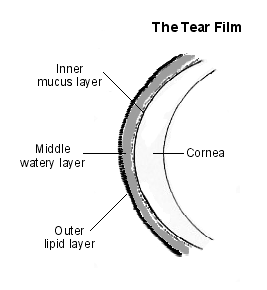
To understand why we cry, it is perhaps necessary to appreciate como we cry. Tears are produced by the lacrimal gland located at the outer end of the eyeball. Blinking spreads the tear as a film across your eye (the tear film).
Filme lacrimal
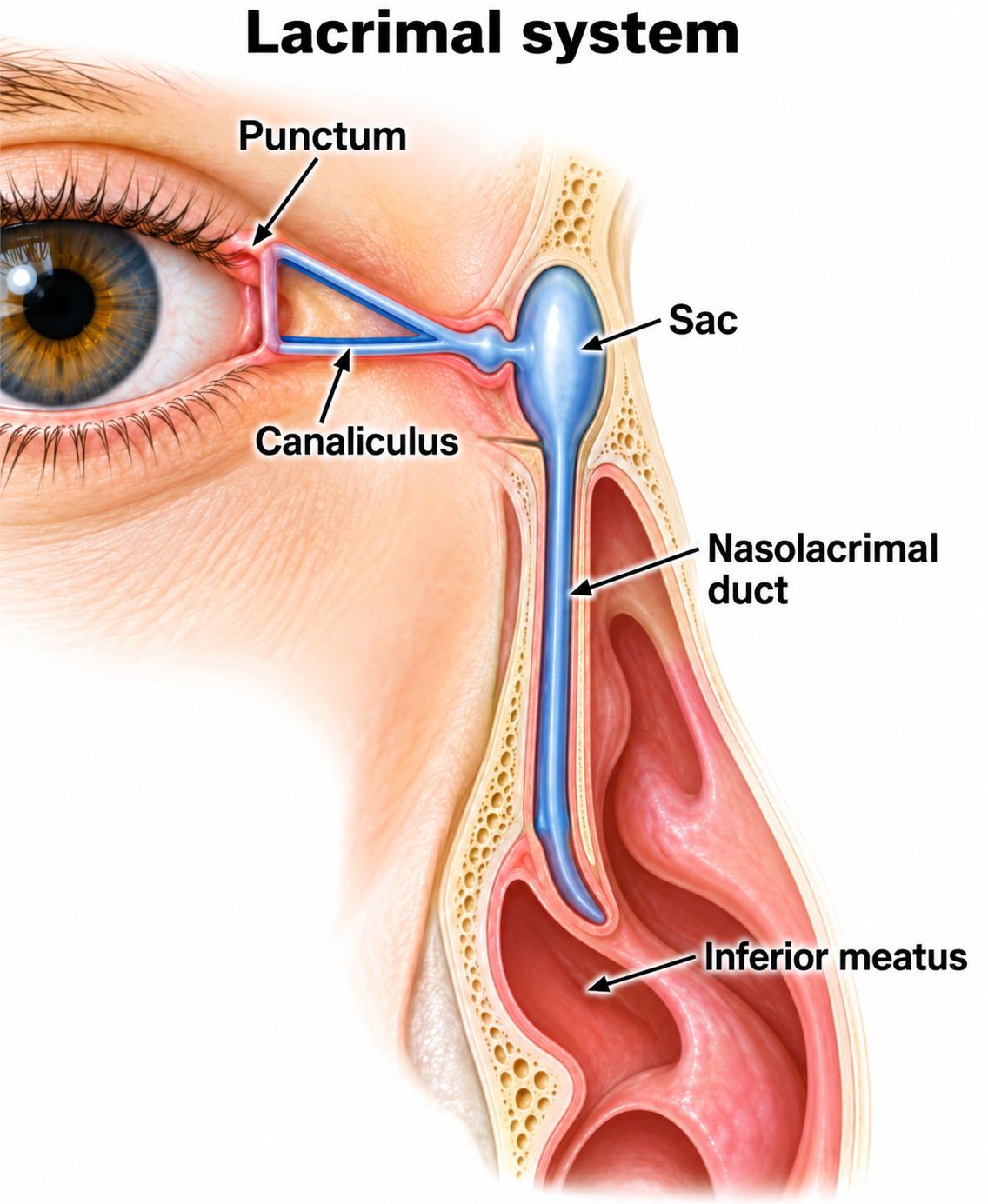
The tears flow into a collection area called the lacrimal lake and from there into drainage holes in the upper and lower inner eyelids. These are called the superior and inferior lacrimal puncta (singular: punctum). From there it's on to a reservoir called a lacrimal sac before they make their way down the nasolacrimal duct into the nasal cavity. It's a bit like a ride at Alton Towers, but less interesting.
The tears are meant to be held in place by some oil in the tear film. However, if the flow is more than this drainage system can cope with, they will start running down your cheeks, as anyone with a credit card will tell you.
There are in fact three types of tears:
Basal tears
These are your common or garden tears that bathe the eye 24/7. Their function is to lubricate the eye so the eyelid flows smoothly over it, and to keep it free from dust and infection. Basal tears contain a whole bunch of stuff, including chemicals such as sodium, an enzyme called lysozyme which helps to destroy germs, and mucin, the WD-40® of the biochemical world.
Reflex tears
These are produced as a response to irritants. It's the body's way of trying to wash nasty substances out of your eye. Onions are the triggers often quoted in books but it can also happen with pepper, bright light, ammonia in cleaning fluid and many strong chemicals (such as perfume). Vomiting, coughing and yawning (hopefully not all at the same time) can also stimulate reflex tear production.
Psychic tears
Nothing to do with overwrought mind readers. Their other name - emotional tears - gives you a clue as to their origin. Any strong emotion - such as sadness, pleasure, anger or suffering associated with physical pain - can bring a tear to the eye. Humour can be another trigger, and in some people crying can be associated with intense bouts of laughter.
Why we cry
Emotional crying
The fancy medical term for crying is lacrimation. The above description gives you some of the reasons for crying. Emotional crying is controlled by the hypothalamus, which is part of the limbic system of the brain. The limbic system is involved in generating basic emotions such as sadness, fear and anger. When a person feels emotion, the hypothalamus springs into action to stimulate the lacrimal glands to produce tears. It does this via the autonomic nervous system, a network of nerves functioning largely behind the scenes.
Emotional tears have a different chemical make-up to basal or reflex tears. They contain more prolactin, adrenocorticotrophin hormone and a natural painkiller called leucine enkephalin. It is possible that at times of emotional stress, crying reflects the body's attempts to make us feel better. It is, if you like, attempting to wrap itself in a huge biochemical comfort blanket. As that great neuropsychologist of his day, William Shakespeare, wrote in Henry VI, Part 3: "To weep is to make less the depth of grief."
Other types of crying
The tear production system is meant to work in the background, flowing across the eyeball to float dust and debris off the front of the eye, so that it can be swept away by the eyelids. If you think about it, it's not too dissimilar from the screenwash/rain/wiper set-up we have for our cars. If the tear production system works overtime or the drainage system becomes blocked, tears start to well up in the eye. The eye becomes watery and tears start to overflow down the cheeks. This is called epiphora. Many conditions can interrupt the smooth working of this system, including problems you are born with (congenital), infections, inflammation and foreign bodies in the eye.
Escolhas do paciente para Saúde ocular

Saúde ocular
Como aliviar a coceira nos olhos no verão
Todos sabemos a importância de usar protetor solar e proteger nossa pele do sol no verão, mas você sabia que seus olhos também precisam de cuidados? Não é apenas do sol que você precisa protegê-los - há uma série de problemas oculares que você pode precisar enfrentar no verão, incluindo olhos irritados.
por Lynn Stephen

Saúde ocular
Quando você deve se preocupar com seus olhos?
É recomendado que você faça um exame de vista a cada dois anos - mesmo que sua visão pareça boa. Seu exame verificará sua visão e saúde ocular, além de identificar quaisquer problemas emergentes. Aqui falamos sobre quais mudanças e problemas na sua visão você deve observar e quando deve procurar um especialista.
por Lynn Stephen
Sobre o autorVer biografia completa
Autoria de

Dr Laurence Knott
Médico Generalista, Autor Médico
Bacharelado (Hons) em Bioquímica, MBBS
O Dr. Laurence Knott se formou em 1973 e tem ampla experiência como Médico Generalista.
Sobre o revisorVer biografia completa

Dr Hayley Willacy, FRCGP
Médico Generalista, Autor Médico
MBChB (1992), DRCOG, DFFP, MRCOG (Part 1) MRCGP (2007), DFSRH (2013), MSc - medical education (2020)
A Dra. Hayley Willacy era uma médica do NHS atuando no noroeste da Inglaterra, que se aposentou da prática clínica em 2022 após 30 anos.
Histórico do artigo
Artigo também disponível em Inglês, Alemão, Espanhol, Francês, Italiano, Português, Hindi, Hebraico, Árabe, e Sueco.
26 Jun 2018 | Publicado originalmente
Escrito por:
Dr Laurence KnottRevisado por
Dr Hayley Willacy, FRCGP
Compartilhe seus pensamentos ou experiências com outros em nosso comunidades de pacientes.
Inscreva-se no boletim informativo do Patient
Sua dose semanal de conselhos de saúde claros e confiáveis - escritos para ajudá-lo a se sentir informado, confiante e no controle.
Ao se inscrever, você aceita nossos Política de Privacidade. Você pode cancelar a inscrição a qualquer momento. Nunca vendemos seus dados.