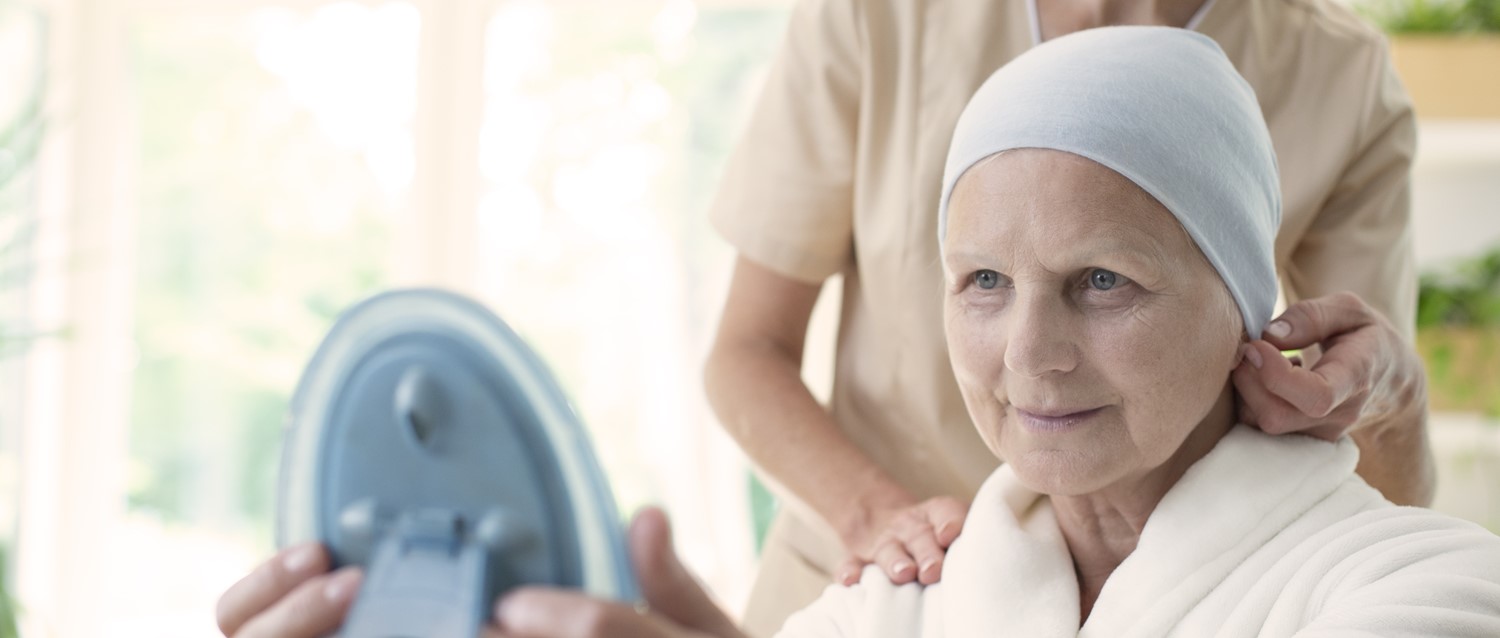
Como cuidar do seu cabelo durante a quimioterapia
Revisado por Dr Krishna Vakharia, MRCGPAuthored by Emily Jane BashforthPublicado originalmente 23 Nov 2022
Atende aos diretrizes editoriais
- BaixarBaixar
- Compartilhar
- Language
- Discussão
- Versão em Áudio
Quando pensamos em quimioterapia, muitos de nós a associamos à perda de cabelo. A perda de cabelo como resultado da quimioterapia pode ter um efeito negativo na saúde mental de uma pessoa. A quimioterapia também pode afetar o cabelo de outras maneiras.
Neste artigo:
Video picks for Information about cancer
Continue lendo abaixo
How does chemotherapy affect hair?
Quimioterapia is a type of câncer drug treatment that can cause hair loss - this can be a really distressing time for a person.
Chemotherapy can lead to:
Complete hair loss (chemotherapy-induced alopecia).
Loss of patches of hair.
Hair thinning.
Not only can hair loss negatively impact someone’s mood, but it can also have a lasting effect on their self-esteem.
47% of female cancer patients have said they consider hair loss to be the most traumatic aspect of chemotherapy. 8% would even decline treatment out of fear of this side-effect.1
Plus, chemo doesn’t just cause hair loss on the head, it can also cause hair loss all over the body. It has been known for chemo patients to also lose:
Eyelashes.
Eyebrows.
Armpit hair.
Leg hair.
Pubic hair.
Beards.
Nose hairs.
The extent of their hair loss and thinning during chemo typically depends on the dosage, the type of drug used, and how a patient’s body reacts to it.
Why does chemotherapy cause hair loss?
Voltar ao conteúdo"Chemotherapy destroys dividing cancer cells. The hair follicle has cells that are rapidly dividing for the hair growth cycle and so become targeted by chemotherapy as a consequence," says dermatologist Julie Van Onselen.
Hair loss and thinning can occur within 2-4 weeks of starting chemotherapy. Everyone's tratamento de câncer is different, so hair loss can happen quickly or gradually.
Continue lendo abaixo
Como cuidar do seu cabelo durante a quimioterapia
Voltar ao conteúdoAvoid using heat on your hair - this means not using curling irons, straighteners, or hot rollers - or inflicting chemical trauma on it.
Use your hairdryer on a cool setting.
Wash your hair twice a week only.
Use gentle shampoos and do not scrub your scalp too harshly with your fingernails - brands that sell mild shampoos and conditioners include Philip Kingsley, MooGoo, and Weleda.
Sleep with a satin pillowcase to avoid your hair being caught and pulled out in the night.
Brush with soft bristles.
Many people choose to cut their hair short during chemotherapy or even shave their heads completely. This might be because it looks more voluminous when shorter, or because it’s easier to manage when it's falling out. A lot of chemo patients also wear wigs or headscarves, which can be easier to secure with a shaved head.
If you do shave your head, you should moisturise it, apply a high SPF cream, and wear a hat when out in the sun.
Can you dye your hair during chemotherapy?
Voltar ao conteúdo"It is best to avoid hair dye while undergoing chemotherapy, as this can cause chemical trauma," says Van Onselen.
CancerReseachUK adds that it is best not to use dyes or perms for around 6 months after finishing chemotherapy since hair is more fragile and susceptible to damage straight after finishing chemotherapy.
Perms are out too, due to the chemicals they contain.
Continue lendo abaixo
Does hair always grow back after chemotherapy?
Voltar ao conteúdoIn most cases, hair will grow back after a patient's chemotherapy ends.
The length of time it takes for hair over the whole body to regrow varies from person to person, but Breastcancer.org offers a typical timeline for hair regrowth2:
3-4 weeks after chemotherapy ends: soft fuzz.
1 month to 6 weeks after: real hair starts to grow.
2-3 months after: around an inch of hair.
3-6 months: around 2–3 inches of hair.
12 months: 4-6 inches of hair.
Upon hair regrowth, it isn't uncommon to notice a difference in your hair. Perhaps the colour has changed, the texture might be different, or your hair could be curlier or straighter than it was before.
Can you prevent hair loss during chemotherapy?
Voltar ao conteúdoThere is currently no pharmaceutical drug intervention to prevent chemotherapy-induced hair loss. However, there are practices you can adopt to ensure you are looking after your hair during chemo, as well as scalp cooling - provided it is safe for you and approved by your treatment team.
Van Onselen adds that minoxidil - a common drug used for alopecia caused by male pattern hair loss - may help reduce the severity of hair loss, or shorten its duration. It is not used to prevent hair loss, though. However, due the nature of this medication, you should only use it if your doctor has advised it is safe.
Can scalp cooling help to prevent hair loss during chemotherapy?
Voltar ao conteúdoOne reason why a person might not lose hair during chemotherapy is scalp cooling.
What is scalp cooling?
The process of cooling the head can prevent or reduce the extent of hair loss during chemotherapy, but this isn't 100% guaranteed and some patients do still lose their hair despite scalp cooling.
In short, scalp cooling can reduce the blood flow to the scalp, stopping chemotherapy drugs from affecting your hair. This process is called vasoconstriction. Scalp cooling can also reduce biochemical activity, making hair follicles less susceptible to chemotherapy damage.
Different types of scalp cooling include a cold gel cap, which can be fitted and easily kept in place with Velcro. It should be changed every 20-40 minutes. Then there's a refrigerated cooling system, which pumps liquid coolant through a cap. A patient needs to sit next to the machine while this is happening.
Does scalp cooling work?
Macmillan explains that scalp cooling is only effective with certain chemo drugs, and it isn't always possible to know whether it'll work.
"Scalp cooling is not suitable during treatment for some types of cancer. Some hospitals do not have facilities for scalp cooling. Your doctor or chemotherapy nurse can tell you if it is available and suitable for you."
The scientific evidence surrounding success rates of scalp cooling varies, but it has been found to work best for anthracycline or taxeme treatment. The highest success rate is a cooling time of 90 minutes or more after infusion of chemotherapy. This had a 76% success rate.3
Scalp cooling does come with potential side effects, such as headaches, coldness, numbness, and claustrophobia.
Leitura adicional
Voltar ao conteúdoPatient picks for Information about cancer
Câncer
O que é 'preabilitação' para o câncer?
A cancer diagnosis is one of the most difficult things a person can face during their lifetime. As waiting times peak across the UK, experts explain how support before - known as prehabilitation - as well as during and after treatment can help people cope with cancer.
por Ellie Broughton

Câncer
Como cuidar de si mesmo durante o tratamento de câncer e quimioterapia
Ao se recuperar do câncer, é importante focar em melhorar - o que significa que você precisa cuidar de si mesmo no processo. Pedimos aos especialistas da Macmillan Cancer Care seus melhores conselhos.
por Victoria Raw
Continue lendo abaixo
Histórico do artigo
As informações nesta página são revisadas por pares por clínicos qualificados.
23 Nov 2022 | Publicado originalmente
Escrito por:
Emily Jane BashforthRevisado por
Dr Krishna Vakharia, MRCGP

Pergunte, compartilhe, conecte-se.
Navegue por discussões, faça perguntas e compartilhe experiências em centenas de tópicos de saúde.

Sentindo-se mal?
Avalie seus sintomas online gratuitamente
Inscreva-se no boletim informativo do Patient
Sua dose semanal de conselhos de saúde claros e confiáveis - escritos para ajudá-lo a se sentir informado, confiante e no controle.
By subscribing you accept our Política de Privacidade. Você pode cancelar a inscrição a qualquer momento. Nunca vendemos seus dados.