dihydrolipoamide branched chain transacylase E2
Última atualização 18 de ago de 2020
Atende aos diretrizes editoriais
- BaixarBaixar
- Compartilhar
- Language
- Discussão
- Ask Patient
- Versão em Áudio
- Adicionar às fontes preferidas no Google
A DBT gene provides instructions for making part of a group of enzymes called the branched-chain alpha-keto acid dehydrogenase (BCKD) enzyme complex. Specifically, the protein produced from the DBT gene forms a critical piece of the enzyme complex called the E2 component.
Escolhas de vídeos para GenesBiblioteca de vídeos
Normal function
A DBT gene provides instructions for making part of a group of enzymes called the branched-chain alpha-keto acid dehydrogenase (BCKD) enzyme complex. Specifically, the protein produced from the DBT gene forms a critical piece of the enzyme complex called the E2 component.
The BCKD enzyme complex is responsible for one step in the normal breakdown of three protein building blocks (amino acids). These amino acids—leucine, isoleucine, and valine—are obtained from the diet. They are present in many kinds of food, particularly protein-rich foods such as milk, meat, and eggs. The BCKD enzyme complex is active in mitochondria, which are specialized structures inside cells that serve as energy-producing centers. The breakdown of leucine, isoleucine, and valine produces molecules that can be used for energy.
Conditions referring to this gene or chromosome
Other names
BCATE2
dihydrolipoamide branched chain transacylase (E2 component of branched chain keto acid dehydrogenase complex; maple syrup urine disease)
E2 component of branched chain keto acid dehydrogenase complex
MSUD2
ODB2_HUMAN
Related patient information and medicines

Patient information leaflet
Talasemia
Hemoglobina is made out of different parts. The main parts are called alpha chains and beta chains which are put together to make the haemoglobin molecule. In thalassaemia, part of the haemoglobin is faulty - usually either the alpha chains or the beta chains. This means that some of the haemoglobin does not work properly. The main types of.

Patient information leaflet
Alergias
There are many possible allergens and many different allergic reactions can occur. What causes allergies. Of course, there are a great many other allergens, too ma... Allergies can seriously impact a person's quality of life, for many reasons. For more information about specific allergies see the individual leaflets. UK-based support and.
Patient information leaflet
Dor nas costas e coluna
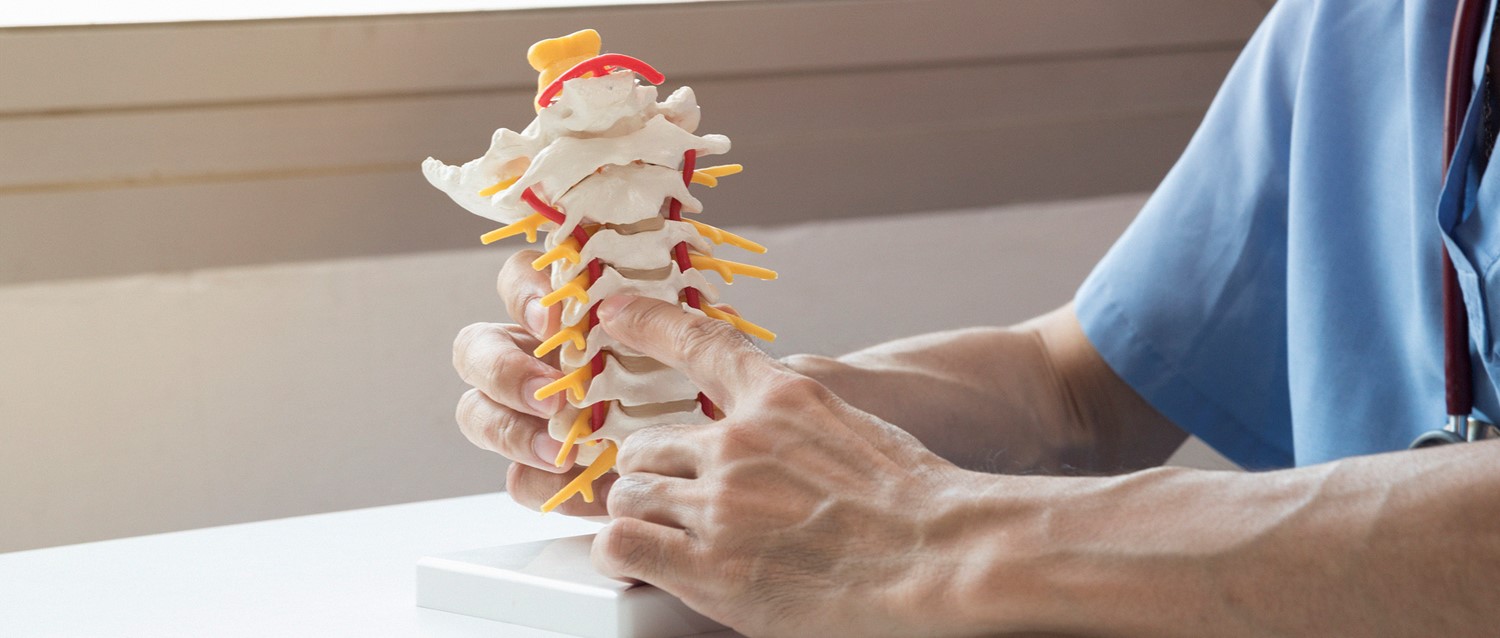
Back pain is extremely common; most of us will have back pain at some point. Children can get back pain but it is more common in adults. This leaflet gives some general information about the back and back pain. It will also direct you to pages with more detailed information on the different conditions that can cause back pain. What are the.
Patient information leaflet
Lesão corneana e corpos estranhos
Minor scratches or abrasions to the cornea are common. They can be extremely sore but usually heal in 24-48 hours. A course of antibiotic eye drops or ointment is commonly p... This is to see if healing is underway. However, see a doctor as soon as you can if your vision becomes worse, if you have worsening pain (beyond that due to the local.

Patient information leaflet
Pancreatite aguda
Pancreatite aguda can cause people to become extremely unwell and can. Causes of acute pancreatitis Gallstones or alcohol cause more than 8 in 10 cases of acute pancreatitis. Other causes of acute pancreatitis are relatively rare. Gallstones Gallstones are the most common cause of acute pancreatitis in the UK Gallstones. A gallstone can pass.

Patient information leaflet
Proteinúria
Proteins are molecules that are found in almost every part of the body, including in the blood. The kidneys normally have a filter which stops protein from entering the urine, except in very tiny amounts; however, kidney problems can cause higher levels of protein to be found in the urine. What is proteinuria. Proteinuria means that there is an.
Leitura adicional e referências
- dihydrolipoamide branched chain transacylase E2; MedlinePlus, National Library of Medicine.
- Chi CS, Tsai CR, Chen LH, Lee HF, Mak BS, Yang SH, Wang TY, Shu SG, Chen CH. Maple syrup urine disease in the Austronesian aboriginal tribe Paiwan of Taiwan: a novel DBT (E2) gene 4.7 kb founder deletion caused by a nonhomologous recombination between LINE-1 and Alu and the carrier-frequency determination. Eur J Hum Genet. 2003 Dec;11(12):931-6. doi: 10.1038/sj.ejhg.5201069.
- Flaschker N, Feyen O, Fend S, Simon E, Schadewaldt P, Wendel U. Description of the mutations in 15 subjects with variant forms of maple syrup urine disease. J Inherit Metab Dis. 2007 Nov;30(6):903-9. doi: 10.1007/s10545-007-0579-x. Epub 2007 Oct 8.
- Henneke M, Flaschker N, Helbling C, Muller M, Schadewaldt P, Gartner J, Wendel U. Identification of twelve novel mutations in patients with classic and variant forms of maple syrup urine disease. Hum Mutat. 2003 Nov;22(5):417. doi: 10.1002/humu.9187.
- Nellis MM, Danner DJ. Gene preference in maple syrup urine disease. Am J Hum Genet. 2001 Jan;68(1):232-7. doi: 10.1086/316950. Epub 2000 Dec 7.
- Quental S, Macedo-Ribeiro S, Matos R, Vilarinho L, Martins E, Teles EL, Rodrigues E, Diogo L, Garcia P, Eusebio F, Gaspar A, Sequeira S, Furtado F, Lanca I, Amorim A, Prata MJ. Molecular and structural analyses of maple syrup urine disease and identification of a founder mutation in a Portuguese Gypsy community. Mol Genet Metab. 2008 Jun;94(2):148-56. doi: 10.1016/j.ymgme.2008.02.008. Epub 2008 Apr 2.
- Rodriguez-Pombo P, Navarrete R, Merinero B, Gomez-Puertas P, Ugarte M. Mutational spectrum of maple syrup urine disease in Spain. Hum Mutat. 2006 Jul;27(7):715. doi: 10.1002/humu.9428.
- Strauss KA, Puffenberger EG, Carson VJ. Maple Syrup Urine Disease. 2006 Jan 30 [updated 2020 Apr 23]. In: Adam MP, Bick S, Mirzaa GM, Wallace SE, Amemiya A, editors. GeneReviews(R) [Internet]. Seattle (WA): University of Washington, Seattle; 1993-2026. Available from http://www.ncbi.nlm.nih.gov/books/NBK1319/
Compartilhe seus pensamentos ou experiências com outros em nosso comunidades de pacientes.
Acesso simples a tratamentos confiáveis e serviços de saúde online.
Common conditions
Get help with common conditions through the NHS, without a GP appointment.
 Sinusite aguda
 Amigdalite bacteriana
 Impetigo
 Mordidas de insetos
 Herpes zosterInfecção do trato urinário (ITUs)
Inscreva-se no boletim informativo do Patient
Sua dose semanal de conselhos de saúde claros e confiáveis - escritos para ajudá-lo a se sentir informado, confiante e no controle.
Ao se inscrever, você aceita nossos Política de Privacidade. Você pode cancelar a inscrição a qualquer momento. Nunca vendemos seus dados.